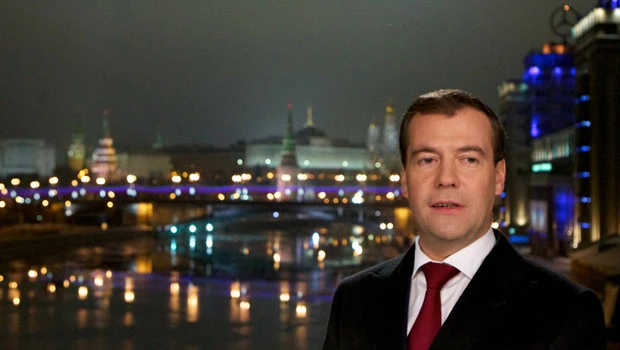
- JERUSALEM: Dmitry Medvedev has had to cancel a rare visit by a Russian president to Israel due to a strike at the Israeli foreign ministry, but working-level efforts to revive Middle East peace talks appear unaffected.
Israeli President Shimon Peres apologized to Medvedev in a telephone call, saying such trips were not routine and that “there is no doubt that you and your country can contribute greatly to the Mideast peace process.”
But the strike over pay and working conditions at the ministry, which has foiled three official visits by foreign leaders so far, seems to be having no direct impact on diplomacy aimed at resuscitating Israeli-Palestinian peace negotiations.
Senior US diplomats are due back in Israel in the coming days, and European Union foreign policy chief Catherine Ashton was to have talks with Israeli ministers later on Wednesday.
Moreover, a Kremlin spokesman in Moscow said Peres and Medvedev had agreed in lieu of the Israel trip to hold talks later this month at the annual World Economic Forum in Davos.
Medvedev will carry on as planned with visits this month to Jordan’s King Abdullah and Palestinian President Mahmoud Abbas. Peres’ statement said he and Medvedev could discuss the status of the peace process in light of those meetings.
However, the strike is biting just as the Israeli government is warily monitoring efforts by the Palestinian Authority to create alternative options in the international diplomatic arena should peace talks with Israel collapse irretrievably.
The Palestinians are having some success in persuading states in Latin America that they already have all the attributes of a state and should be recognized as such. Israeli envoys are lobbying to arrest any potential domino effect that could finish off the languishing peace process.
The Palestinians say they expect that Chile will soon join Brazil, Argentina, and other Latin American states in recognizing Palestine. How Mexico will decide is still open.
Tony Blair, the former British prime minister who now serves as permanent envoy of the Quartet of powers engaged in the Middle East peace process, which includes Russia, the EU, the United States and the European Union, cautions that peace talks must get back on track soon or there could be profound trouble.
Direct talks began in September between Israeli Prime Minister Benjamin Netanyahu and Abbas. But the process foundered in a matter of weeks over Israel’s refusal to extend its freeze on building at Jewish settlements in the occupied West Bank.
Medvedev, referring to the cancelation of his visit, said he was aware of the “technical administrative difficulties in Israel” and emphasised that the setback would have no bearing on the two countries’ relations.
Media reports said Medvedev had planned to bring a large delegation including business leaders and journalists to Israel, which has a large Russian Jewish immigrant community. Vladimir Putin was the last Russian president to visit Israel, in 2005.
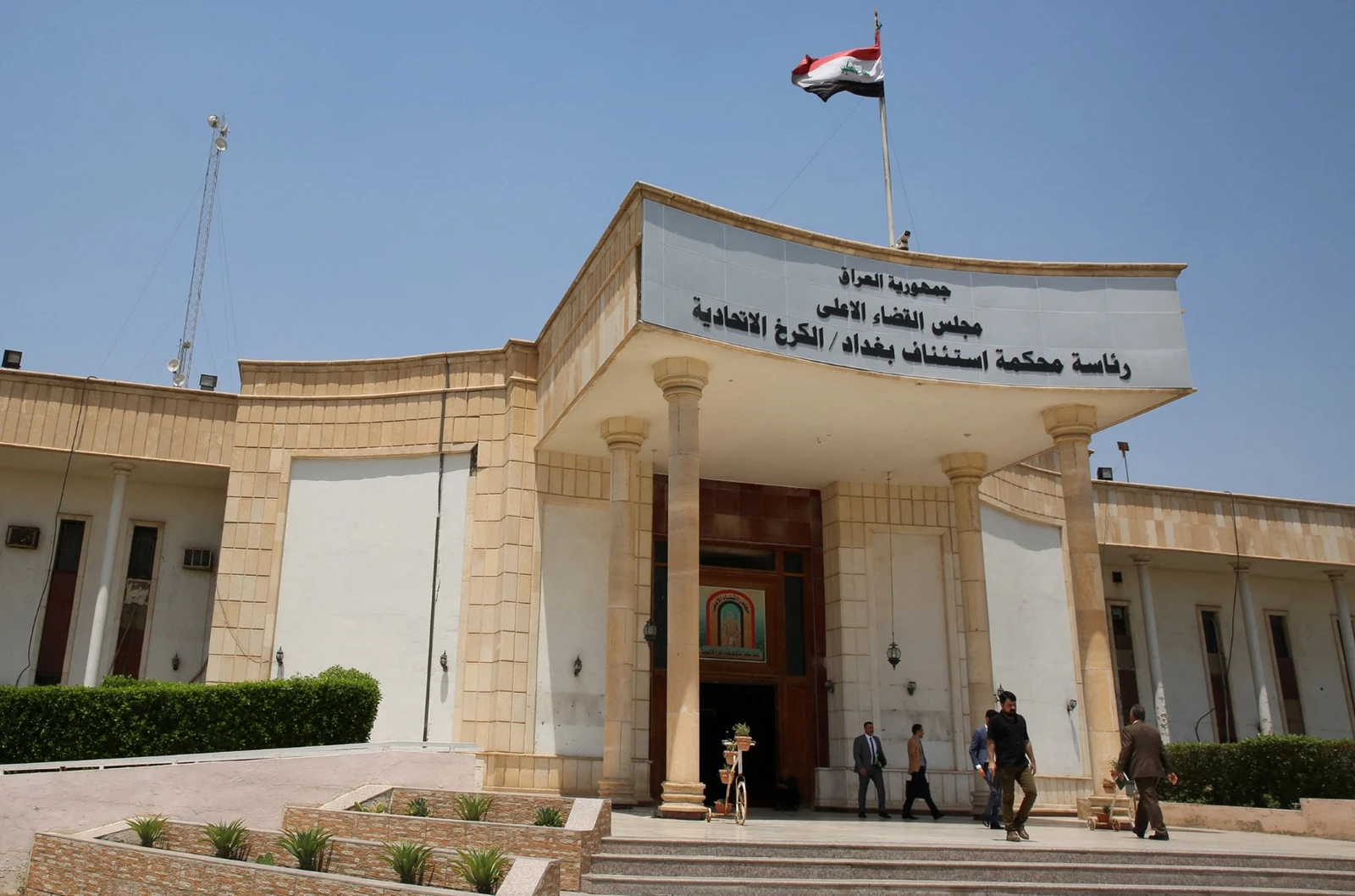
The walkout by Israeli foreign ministry diplomats and civil servants has also forced the cancelation of visits by the prime ministers of Croatia and Slovenia scheduled this month, ministry spokesman Yigal Palmor said on Wednesday.
It remained to be seen whether a planned trip by German Chancellor Angela Merkel at the end of the month will go ahead or have to be postponed, Palmor told Reuters. There was no comment from Berlin on the status of Merkel’s visit.
The ministry union has been locked in an on-and-off pay dispute for seven months, seeking a new deal to put wages and conditions on equal terms with Israeli public servants in similar sectors, notably the Defense Ministry.
Last month, a state visit to Israel by Lithuanian Prime Minister Andrius Kubilius went off without a hitch. But the strike was intensified after the Treasury made what the Foreign Ministry union considered a derisory offer soon afterwards.
Media reports said the union had turned down an offer of 8 percent more pay.