- RIYADH: Deputy Health Minister Mansour Al-Hawasi will represent the Kingdom on behalf of Health Minister Dr.
- Abdullah Al-Rabeeah at the GCC Health Ministers Conference to be held in Qatar on Thursday.
“The focus of the meeting is to combat noncommunicable diseases such as cancer, heart disease, diabetes and smoking in the region,” said Health Ministry Spokesman Dr. Khalid Al-Mirghalani.
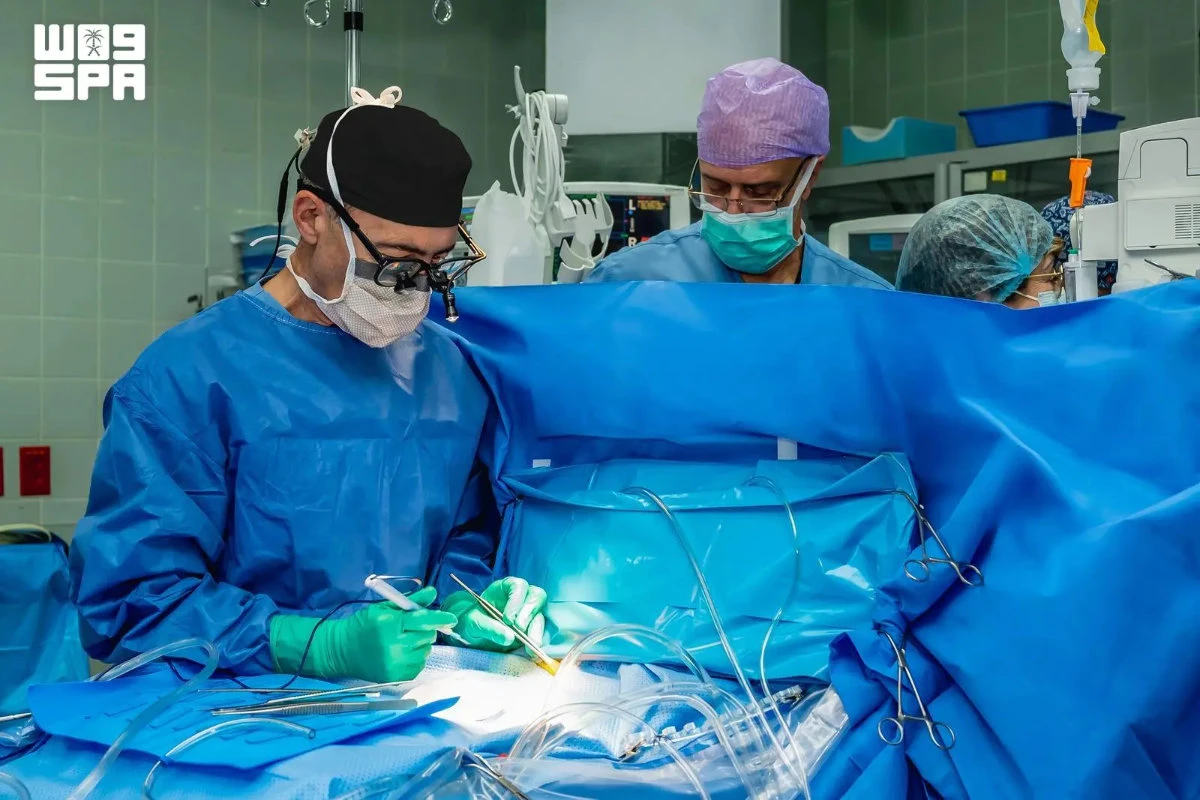
He also said that the donation of organs for transplants will also be an important item on the agenda. Two scientific papers will be presented at the conference on the issue and how it could be encouraged to help sick people get a new lease of life.
Malaria is a growing concern in the region, said Al-Mirghalani, adding that the health ministers are keen on keeping the region free of malaria, which is mostly caused by mosquitoes.
Al-Mirghalani said the Kingdom has made great achievements in the health sector. “We have successfully controlled malaria and have been running the Saudi Center for Organ Transplant successfully for several years,” he said, adding that these experiences could be shared with others in the region at such meetings.
Describing malaria as preventable and treatable, Al-Mirghalani said that in the Kingdom there are 14 medical centers in places where malaria is common. “We have deployed trained medics and paramedics to handle malaria patients with adequate supplies of medicines,” he said.
More than a million people die of malaria every year, up to 500 million people contract the disease annually and nearly 40 percent of the world’s population is considered at risk from the disease.
Yemen carried out an anti-malaria campaign targeting 104,000 houses in the provinces of Saada, Hajja and Al-Houdieda, located on the border with the Kingdom.
Since 2003, Saudi Arabia has been providing technical and financial support to Yemen, mainly through insecticide spraying vehicles, to help spray insecticides in areas with epidemic malaria on the Yemeni side of the 1,458-km Saudi-Yemeni border. Saudi malariologists have also been working hand-in-hand with their Yemeni counterparts on the issue.
Regarding organ transplants, there is a supreme committee for the development of organ transplantation in the Kingdom that is directly supervised by Al-Rabeeah.
The government’s organ transplantation services are streamlined through the Saudi Center for Organ Transplantation (SCOT), which is headquartered in Riyadh.
The Kidney Transplant Organization, later developed into SCOT, was formed in Riyadh in 1985 following instructions from Riyadh Gov. Prince Salman to help people who are in need of organs.
The board of the Saudi Council of Religious Scholars has unanimously resolved the permissibility to remove organs, or parts of organs, from living Muslims or non-Muslims should the need arise, and there is no risk in the removal.