- JEDDAH: A number of people have been treated for dysentery following the Jan.
- 26 floods in Jeddah, although the exact numbers are unknown.
Pharmacies have also reported a rise in the number of people asking for diarrhea medication.
According to Sami Badawood, the city’s director of health affairs, 161 people were admitted to hospital following the floods for a variety of reasons. However, complaints include not only dysentery, but also panic and asthma attacks triggered by the floods.
One case of dysentery serious enough to require hospitalization was that of 45-year-old Filipino Mario Cunanan. He was rushed to hospital on Sunday evening suffering from acute amoebic dysentery.
He fell ill after consuming tap water that turned out to have been contaminated when the sewage-filled floodwaters entered the underground water tank where he lives.
“I started feeling ill on Thursday night, the night after the floods. I suffered from diarrhea and couldn’t sleep,” said Cunanan. “It didn’t get worse up until Sunday when I had trouble moving from my bed, so I called my boss who immediately took me to hospital.”
Cunanan’s boss Alan Barton, who is manager of a major Jeddah interior decoration company, said that a quarter of his workforce had come down with dysentery, although not all at the same time. He added Cunanan was the worst case.
“He had constant diarrhea and nonstop vomiting, which caused him to dehydrate,” said Barton. “We had to take him to a clinic nearby. It ran some tests on him, but couldn’t immediately tell what was wrong.”
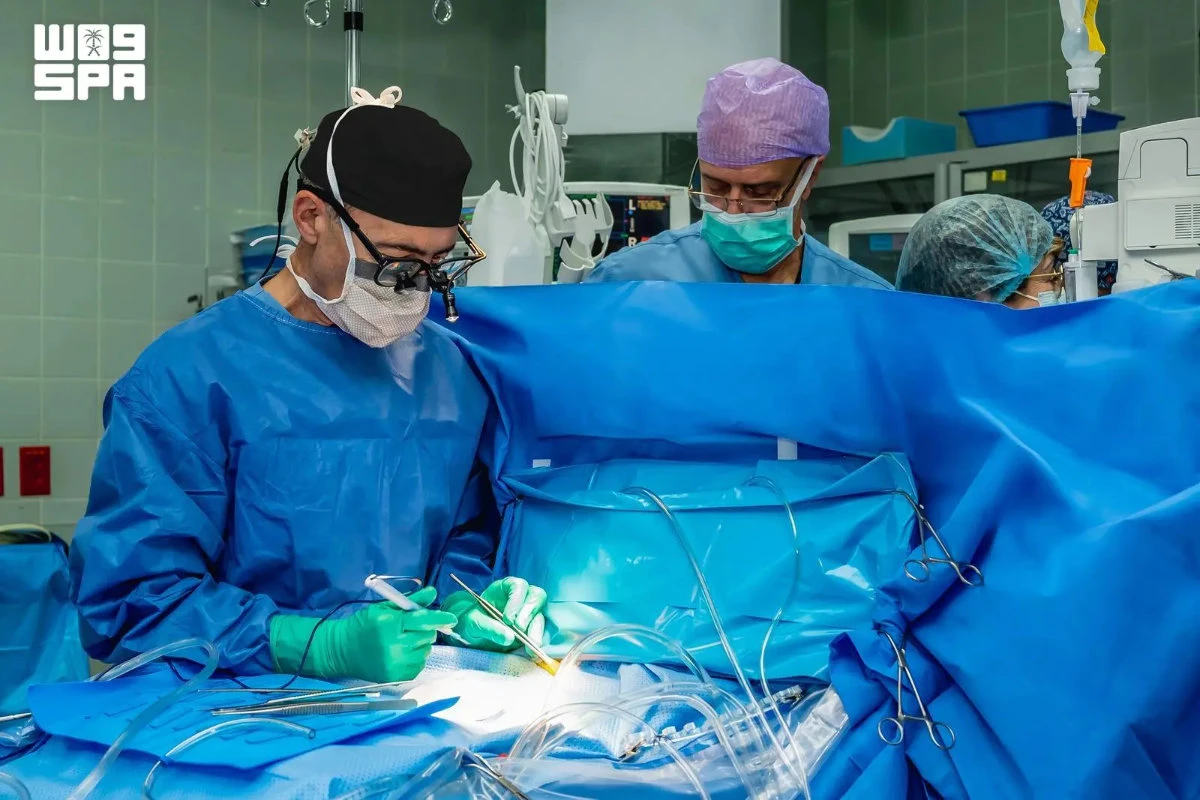
At the Rashad Clinic in Ruwais, Cunanan’s condition deteriorated. “We had to immediately transfer him to a hospital for a drip feed. He was suffering from dehydration and was unable to take solids,” said a doctor there. “He was in pain because of the toxic water he was exposed to.”
In order to get Cunanan admitted to hospital, Barton had to go and find an ATM and withdraw SR2,000 that the hospital required before accepting him. “I had to go and pay the fees to make sure they got him in him as soon as possible and give him the medication and tests he needed,” he said.
Doctors at Abu Zanada Hospital say that the patient is no longer in a critical condition. “We are now drip feeding him, but not offering him solid food because he might vomit it out. So we will keep him on fluids until he stabilizes,” said a doctor at the hospital. “We want him to stay in the hospital for two days so we can monitor his condition.”
Cunanan’s illness is a warning to other Jeddah residents not to drink tap water. On Saturday, they were advised by Badawood not to do so.
He said that 70 percent of water in storage tanks had been contaminated by the floods and people should drink only bottled water until further notice.
On Sunday, city doctors warned that the symptoms of diseases caught from contaminated water might not manifest for several months.