- JEDDAH: The 57-member Organization of the Islamic Conference (OIC) and Gulf Cooperation Council (GCC) have condemned the bloodshed in Libya and the use of excessive force against protesters.
The Secretary-General of the OIC, professor Ekmeleddin Ihsanoglu, called the suppression and intimidation in Libya “a humanitarian disaster which contradicts Islamic and human values.”
Ihsanoglu stressed that “the situation demands redressal through peaceful means by involving people in meaningful dialogue” and called upon the Libyan government to “immediately stop violence against innocent Libyans.”
He expressed condolences to the Libyan people and the families of the victims, and wished speedy recovery to those injured in the protests. According to sources close to the OIC, the Libyan Embassy phoned the organization to protest its statement. This refutes rumors earlier in the day that the Libyan ambassador had resigned to join the opposition. The rumors surfaced after the embassy in Riyadh had been closed for two days and that there was no one there.
The OIC General Secretariat emphasized the right of people to express their legitimate demands in a peaceful and civic manner, noting that the OIC Charter and Ten-Year Program of Action stresses the importance of enhancing principles of good governance in OIC member states, promotion of human rights, fighting corruption, widening political participation and overall development, and facing up growing challenges in the political, social and economic spheres which can only be overcome through the implementation of comprehensive reforms in various sectors.
The GCC blasted Libya on Tuesday for alleged “genocide” against protesters. Abdul Rahman Al-Attiyah, the head of the bloc, “strongly denounces acts of violence perpetrated by the Libyan regime against the Libyan people” who are being subject to “an act of genocide,” read a statement.
Al-Attiyah called on Arab and Islamic states as well as the international community to stand united behind the people of Libya, the statement added.
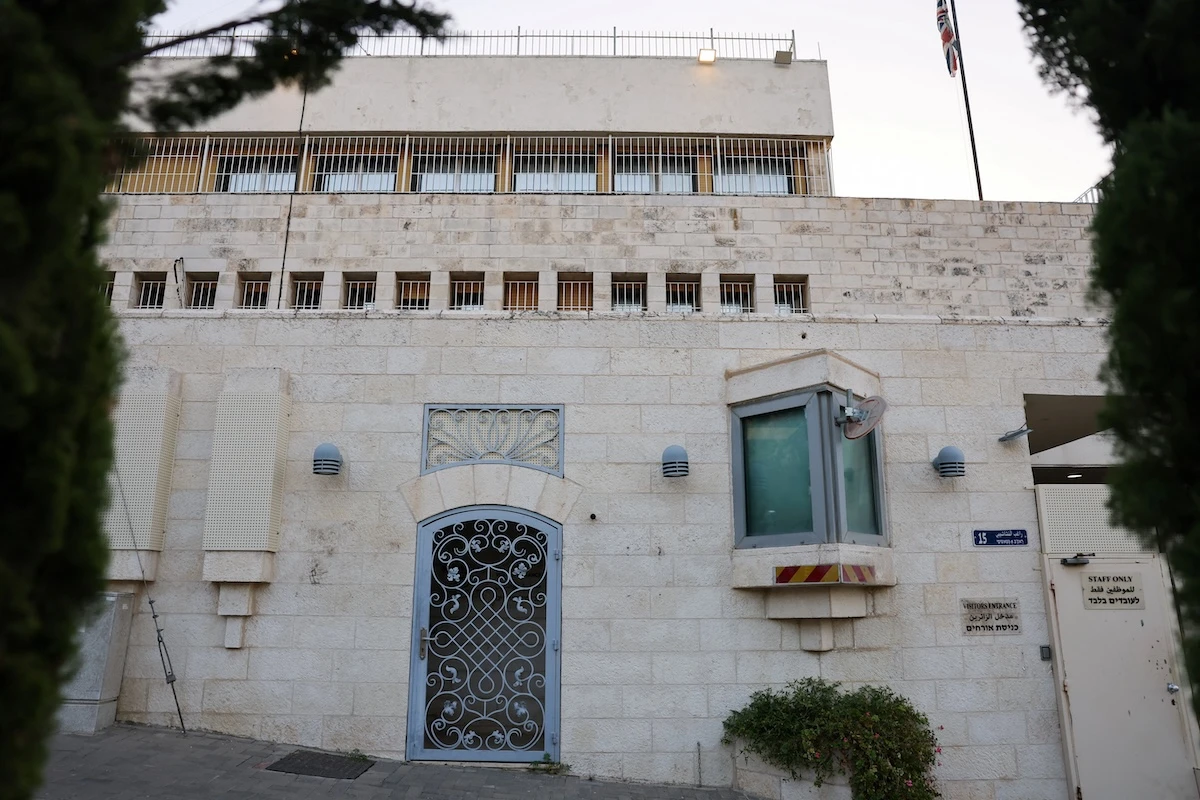
The Libyan Embassy in Riyadh appeared deserted on Tuesday amid speculations that the ambassador, Muhammad Saeed Al-Qashshat, might have resigned in protest against escalating violence against fellow Libyans by Qaddafi’s regime.
“Only the local staff have come to work. The Libyan diplomats and other Libyan staff did not show up today. Their offices have been vacant since Monday,” said sources close to the embassy.
The sources cited the growing violence against Libyans to be the reason why the embassy’s Libyan employees were absent.
Local staff at the embassy told Arab News that the ambassador had not come to work for the second day in a row but refused to confirm or deny speculations that he had resigned along with other Libyan diplomats stationed in India, China, Indonesia and Britain.
Abdul Moniem Al-Houni, the Libyan representative to the Arab League, was the first Libyan diplomat to resign. He was followed by the Libyan diplomatic mission to the United Nations.
In Jeddah, a number of staff at the Libyan consulate denied speculations that the ambassador or consul general had resigned. They sarcastically added that things are normal. “You have been following Al Jazeera,” said one employee, adding that the doors of the consulate are open wide for Libyan citizens.
A Libyan resident in Jeddah said they are following with great concern and anxiety events in Libya hoping that peace and security will soon return.
Consulate sources also refused to put an exact number on the number of Libyans in the Kingdom.