- AJDABIYAH, Libya: Opponents of Libyan leader Muammar Qaddafi were knocked back by government troops for a third straight day Thursday but took heart in a sign that the embattled regime is cracking at the highest levels: the defection of the second top official in as many days.
Ali Abdessalam Treki, a former foreign minister and UN General Assembly president, had been named to represent Libya at the United Nations after a wave of defections early in the uprising. But Treki, who is currently in Cairo, said in a statement posted on several opposition websites that he was not going to accept that job or any other.
"We should not let our country fall into an unknown fate," he said. "It is our nation's right to live in freedom, democracy and a good life."
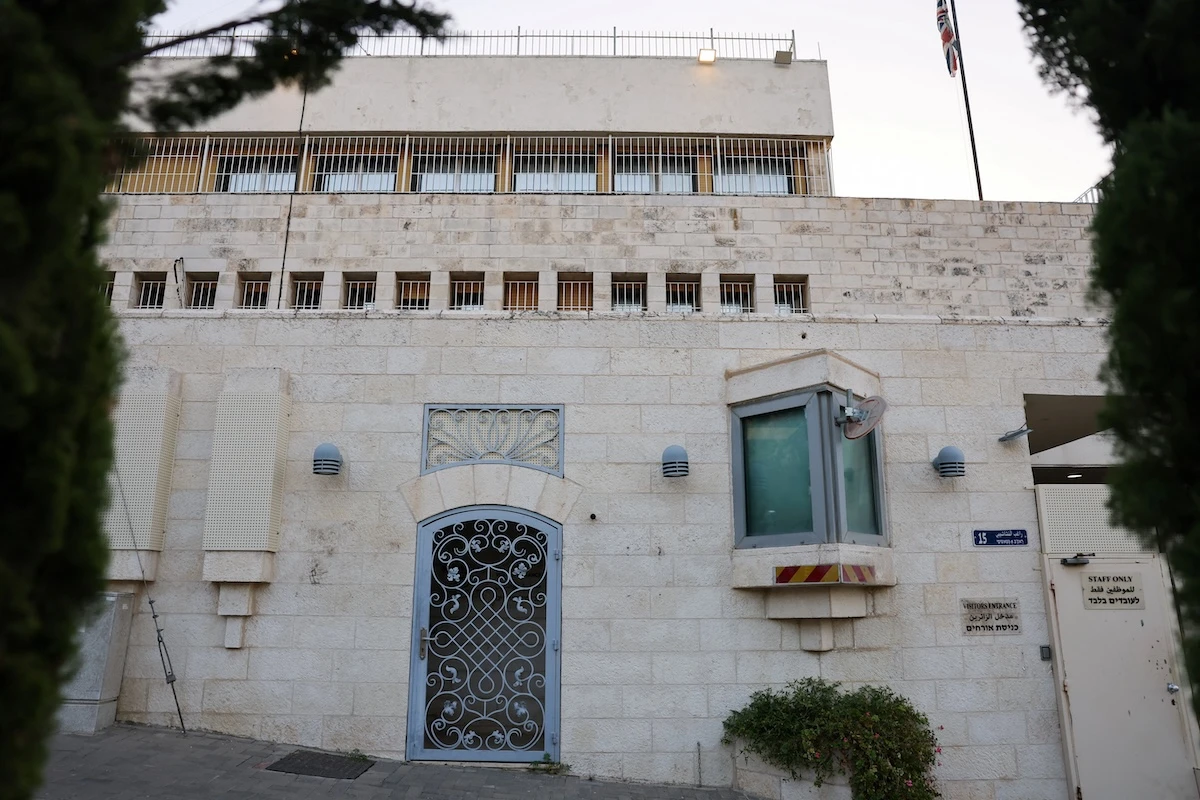
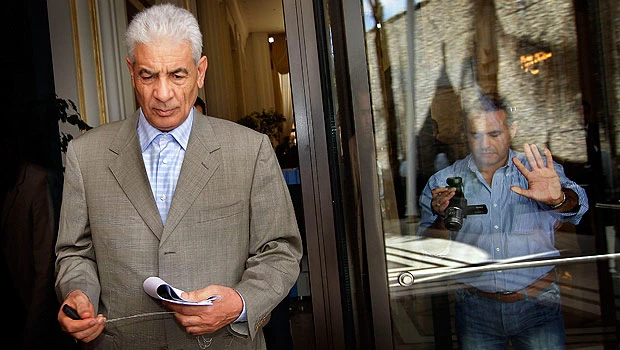
Libyan Foreign Minister Moussa Koussa flew to England from Tunisia on Wednesday and the British government said he had resigned. He is privy to all the inner workings of the regime, so his departure could open the door for some hard intelligence, though Britain refused to offer him immunity from prosecution.
"We believe that the regime is crumbling from within," opposition spokesman Mustafa Gheriani said in Benghazi, the rebels' de facto capital.
Libyan officials, who initially denied Koussa's defection, said he had resigned because he was sick with diabetes and high blood pressure. Government spokesman Moussa Ibrahim said Koussa was given permission to go to Tunisia, but the regime was surprised to learn he had flown to London.
"I talked to many people and this is not a happy piece of news, but people are saying, 'So what? If someone wants to step down that's his decision'," Ibrahim said.
Koussa is not the first high-ranking member of the regime to quit — the justice and interior ministers resigned early in the conflict and joined the rebellion based in the east.
Koussa, however, is a close confidant of Qaddafi. Koussa was Libya's chief of intelligence for more than a decade. The opposition blames him for the assassinations of dissidents in western capitals and for orchestrating the 1988 Lockerbie bombing over Scotland and the bombing of another jet over Niger a year later. The links have never been confirmed.
Scottish prosecutors said they have asked Britain's Foreign office to speak with Koussa about the Lockerbie bombing, which killed 270 people.
In another blow to the regime, US officials have revealed that the CIA has sent small teams of operatives into rebel-held eastern Libya while the White House debates whether to arm the opposition.
Despite the setbacks and ongoing airstrikes — now led by NATO — Qaddafi loyalists have retaken much of the territory the rebels had captured since airstrikes began March 19.
Rebels had advanced overnight to the west gate of Brega, a town important to Libya's oil industry that has gone back and forth between rebel and loyalist hands. They were in Brega at dawn, but they soon pulled out under heavy shelling from Qaddafi's forces. Black smoke billowed in the air over Brega as mortars exploded.
Rebels said Qaddafi loyalists had killed 38 civilians over the past two days alone in Misrata, the only town in western Libya still under rebel control. "Massacres are taking place in Misrata," a rebel spokesman called Sami said by telephone.