- THE HAGUE: Serbia extradited Ratko Mladic to the UN war crimes tribunal on Tuesday where he will stand trial for genocide, 16 years after he was charged by the court for the killing of 8,000 Muslim men and boys in the worst massacre of civilians in Europe since World War II.
A Serbian government jet carrying the Bosnian Serb wartime military commander landed in Rotterdam and pulled into a hangar, out of view of reporters and live television cameras. A Dutch police helicopter stood just outside the hangar's entrance, and police vehicles also pulled up near by.
The government plane touched down at Rotterdam airport hours after judges in Belgrade rejected his appeal to delay his extradition on grounds of ill health, and the Serbian justice minister authorized his handover to UN officials in The Hague.
Mladic will be taken to the UN detention unit near The Hague to undergo a formal identification process. Within a few days he will be brought before a UN judge for a preliminary hearing.
Mladic is charged at the tribunal for atrocities committed by his Serb troops during Bosnia's 1992-5 war, including the notorious Srebrenica massacre, the worst atrocity against civilians in Europe since World War II. Mladic attorney Milos Saljic visited him in his jail cell in the afternoon and said the ex-general was crying and very emotional during what he called a farewell visit by his wife and sister. They brought him a big suitcase with clothing he will need in The Hague, Saljic said.
Mladic was arrested on Thursday in a village north of Belgrade after 16 years on the run, looking worn and disheveled. In addition to the appeal, Saljic had asked for a team of doctors to examine Mladic, who is said to have suffered at least two strokes.
Prosecutors accused Mladic of using delaying tactics and said nothing should prevent his extradition to the tribunal, maintaining that doctors who have examined him say Mladic is in good enough health to face trial.
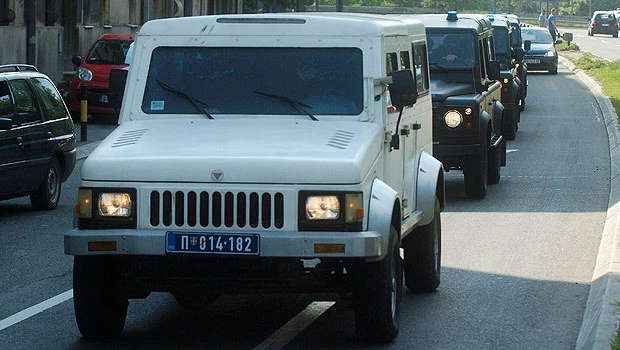
Earlier Tuesday, the ex-general was briefly released from his jail cell, traveling in a secret high-security armored convoy to a suburban cemetery where he visited the grave of the daughter who killed herself in 1994 during the war, reportedly because she was depressed over his brutal role in the war.
At the black marble grave, he left a lit candle and a small white bouquet of flowers with a red rose in the middle.