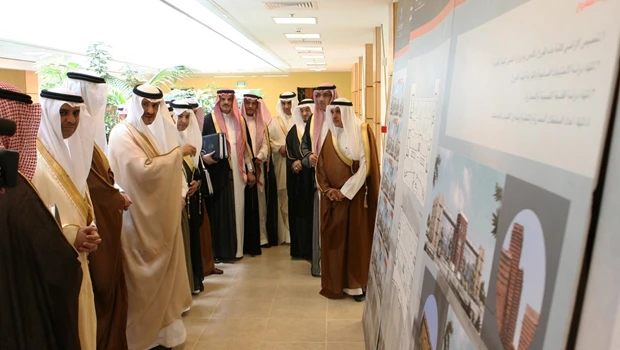
- JEDDAH: Prince Sultan bin Salman, chairman of the Saudi Commission for Tourism and Antiquities (SCTA), said on Monday that it is the right of citizens to have better tourist facilities in the Kingdom.
He emphasized the importance of improving tourist services in the country. “The SCTA has given top priority to ensure the requirements of local tourists to help enjoy their holidays in the Kingdom,” he said.Prince Sultan disclosed that Custodian of the Two Holy Mosques King Abdullah has approved the organizing of an exhibition for retrieved Saudi antiquities at the National Museum in Riyadh as part of the National Heritage and Cultural Festival in Janadriyah next year.The board meeting emphasized the importance of tourism festivals being planned in different parts of the Kingdom, adding that it would contribute to promoting domestic tourism. The SCTA is organizing 45 tourism festivals in different cities with 127 programs.“The summer tourism festivals held last year helped in earning a total revenue of SR7.7 billion by attracting more than 10 million visitors,” the prince said. “We expect a 27 percent increase in tourist turnout and 30 percent increase in revenues this year.”The board approved SCTA’s executive plan and its restructuring plan, which aims to develop new tourist centers and decentralize management and diversify tourism products. The board also approved the reshuffling of the consultative committee for antiquities and museums.The board approved the establishment of a center for national architectural heritage for the development of and investment in architectural heritage sites. Two offices of Islamic antiquities will be set up in Makkah and Madinah for the protection and development of Islamic historical sites in the two cities.Contracts have been signed to establish heritage houses in Rijal Al-Mae and Al-Ghat, the SCTA said. A human resource development center will be established to create jobs for Saudis in the sector and set out criteria for education and training in the field.The board announced the discovery of a number of important antiquities in recent months, including one in Dafi that dates back to 300 BC and another in Mardouma dating back to the first Hijrah century.“We have also found the first hieroglyphic engravings in the Arabian Peninsula on a rock in Taima that carries the signature of Ramses III, an Egyptian king who ruled the country from 1192 to 1160 BC,” a statement from the SCTA said. An old village that dates back to first years of Islam has been found in Raka in the Eastern Province, it added.