- LONDON: Senior ministers said on Monday they would press ahead with proposals for the biggest shake-up to Britain’s building planning system in decades despite criticism that it would blight what remains of the nation’s dwindling countryside.
The Conservative-led government says that changes are vital to help to revive a faltering economy and to make housing more affordable. It says planning delays cost the economy 3 billion pounds ($4.9 billion) per year.
However, the proposals have angered many core Conservative supporters, who look to the party to protect the leafy areas in which many of them live.
The dispute has echoes of government plans to sell off state-owned forests earlier this year, dropped after an outcry from a similar collection of local and green protest groups.
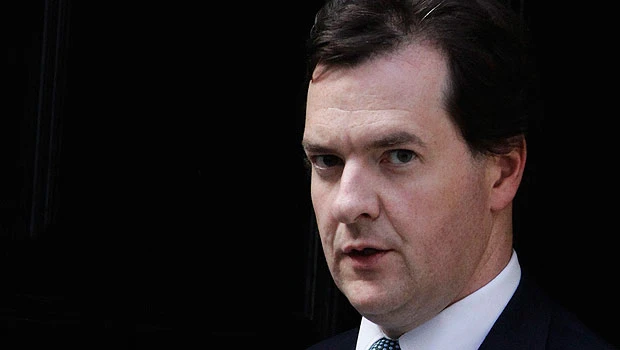
Finance minister George Osborne and Communities Secretary Eric Pickles defended the plan in a newspaper article on Monday.
“Reforming a slow and inefficient planning system will be good news for the small business looking to expand; for the young family hoping for more affordable house prices; and for the community wanting to decide on their own future,” they wrote in the Financial Times.
“This is our opportunity to unlock the new investment and new jobs the country needs. We cannot afford to miss it.”
Dropping the forest-sale plan was one of a series of U-turns that raised questions about the cost-cutting coalition’s determination to see through unpopular policies.
The Conservatives are ruling with the smaller Liberal Democrats in Britain’s first coalition government since 1945.
The debate over planning has been boiled down to one short phrase — a “presumption in favor of sustainable development,” which government critics say will prompt a free-for-all.
“The government’s good intentions risk being undermined by the talk of economic growth at any cost,” said American author Bill Bryson, chronicler of British whimsy and president of the Campaign to Protect Rural England (CPRE).
“We are deeply worried to learn that environmental laws are regarded as red tape and that the planning system might be weakened to allow for more development,” he told The Observer.
Much of England is densely populated, with the squeeze at its most acute in and around the capital London — putting house prices beyond the means of many young people and pressure on public transport.
Protected “green belt” land around the major cities has helped to prevent the major conurbations from swallowing the surrounding countryside.
Prime Minister David Cameron made much of his green credentials in opposition, traveling to the Arctic for a photo shoot with huskies to show his concern over climate change.
But he now faces the reality of a stubbornly sluggish economy. The government won support on Monday from consultancy the Center for Economics and Business Research, which said the changes could create 200,000 jobs in the construction industry.
“The squeeze on living standards in the UK is likely to persist for some time, as earnings growth struggles to keep pace with the rising cost of living,” its economist Scott Corfe said.
“The limited supply of housing — which is pushing up rental and house prices to ever higher levels — is one of the biggest contributors to this cost of living crisis.”