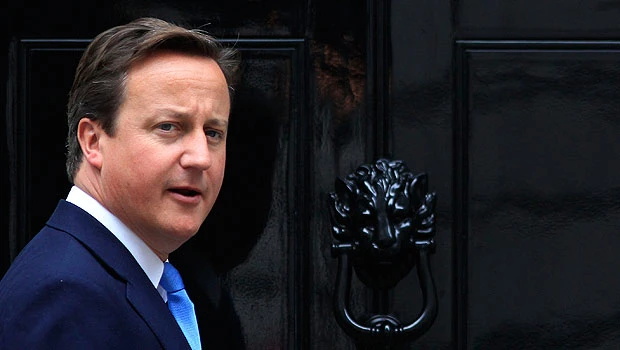
- LONDON: Russia accused Britain on Friday of failing to cooperate in solving the 2006 murder of a Kremlin critic in London, a sign the issue is still raw days before David Cameron makes the first trip to Russia by a British prime minister since the killing.
Britain’s relations with Russia have been sour since the murder five years ago of Alexander Litvinenko, a former Russian spy who died from poisoning by radioactive polonium-210.
Cameron flies to Moscow on Sunday and is expected to be the first British leader since 2007 to meet Russia’s most powerful man, Prime Minister Vladimir Putin, who president at the time Litvenenko was killed.
Russia has refused to extradite Andrei Lugovoy, an ex-KGB bodyguard Britain wants to prosecute for Litvinenko’s murder. That sent ties between the countries plunging to a post-Cold War low and led to tit-for-tat diplomatic expulsions.
Russia’s ambassador to Britain, Alexander Yakovenko, said Russia was prepared to investigate the case but wanted Britain to present evidence of Lugovoy’s guilt.
“As soon as we get this information we can start cooperating on this case together with the British side to investigate and put this case into the Russian court,” he said, briefing reporters on Cameron’s visit.
“We want to know the truth but unfortunately the British side is not ready to cooperate on this. We didn’t receive any evidence,” he said.
London insists any trial must be in Britain because the crime happened in Britain and Litvinenko was a British citizen.
“We have pressed, and will continue to press our case with the Russian authorities that Mr. Lugovoy be brought to justice,” a Foreign Office spokesman said.
Lugovoy, who denies involvement in Litvinenko’s death and has since won a seat in Russia’s parliament, suggested on Thursday that Russia and Britain should ask a third country to carry out an independent investigation. Britain has rejected similar suggestions in the past.
“Are we going to fight about it for the next 100 years? We should be looking for a way out,” Lugovoy told the BBC in an interview while fishing from a boat in Russia’s far east.
Neither side expects any movement in the Litvinenko case during Cameron’s 24-hour visit to Moscow at the invitation of President Dmitry Medvedev.
Nor is Britain ready to lift restrictions it imposed on its relations with Russia over its refusal to extradite Lugovoy, including the suspension of talks on easing visa rules.
Yakovenko urged British security services to re-establish cooperation with their Russian counterparts — another victim of the Litvinenko affair.
He also accused Britain and France, who are leading NATO’s air campaign in Libya, of going beyond the mandate of the UN resolution which authorizes them to protect Libyan civilians, and said this risked damaging trust in the Security Council.
Relations have thawed slightly since Medvedev replaced Putin as president in 2008 and Cameron became prime minister last year, ending 13 years of Labour rule.
While disagreeing on Litvinenko, both sides are eager to expand business ties. Yakovenko said a number of business deals would be signed during Cameron’s trip but gave no details.
Cameron will be joined by 25 British business leaders, including oil firm BP’s Chief Executive Bob Dudley.
Last week, special forces raided BP’s Moscow offices, a day after US giant ExxonMobil signed a deal giving it access to Russian Arctic oilfields that BP had tried to develop, only for its plans to be scuppered by a legal case.