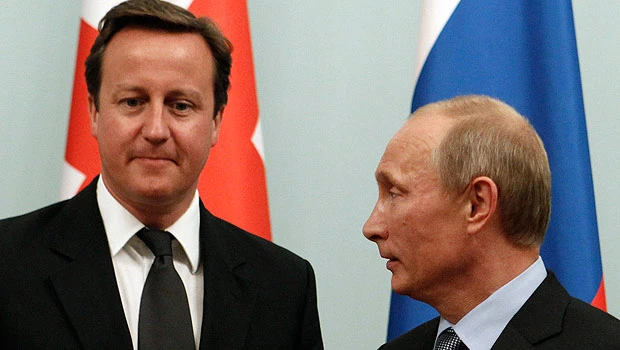
- MOSCOW: British Prime Minister David Cameron’s attempt to improve ties with Russia stumbled on Monday when President Dmitry Medvedev bluntly refused to extradite a man wanted for the murder of a Kremlin critic in London five years ago.
Cameron, on the first visit by a British prime minister since former Russian spy Alexander Litvinenko died in London from poisoning by radioactive polonium-210 in 2006, pitched thriving business ties as a way to improve relations.
But behind the smiles and even a joke about an apparent KGB attempt to recruit Cameron on a trip to the Soviet Union 26 years ago, the trip yielded little apart from just over £200 million ($318 million) worth of announced business deals.
Medvedev illustrated the gulf that remained between London and Moscow by saying he would never extradite the Russian man whom British prosecutors want to put on trial for the murder.
“This will never happen,” said Medvedev.
Cameron, who is trying to bolster Britain’s weak recovery by boosting exports to fast-growing emerging markets such as Russia, India and China, said Britain’s position was unchanged but that the issue should not hinder trade.
Britain wants to prosecute Andrei Lugovoy, an ex-KGB bodyguard, for the murder but Russia says its constitution forbids the extradition. Lugovoy has denied any link to the murder.
“It remains an issue between Britain and Russia and we haven’t changed our position about that, the Russians haven’t changed their position, but I don’t think that means that we freeze the entire relationship,” Cameron said.
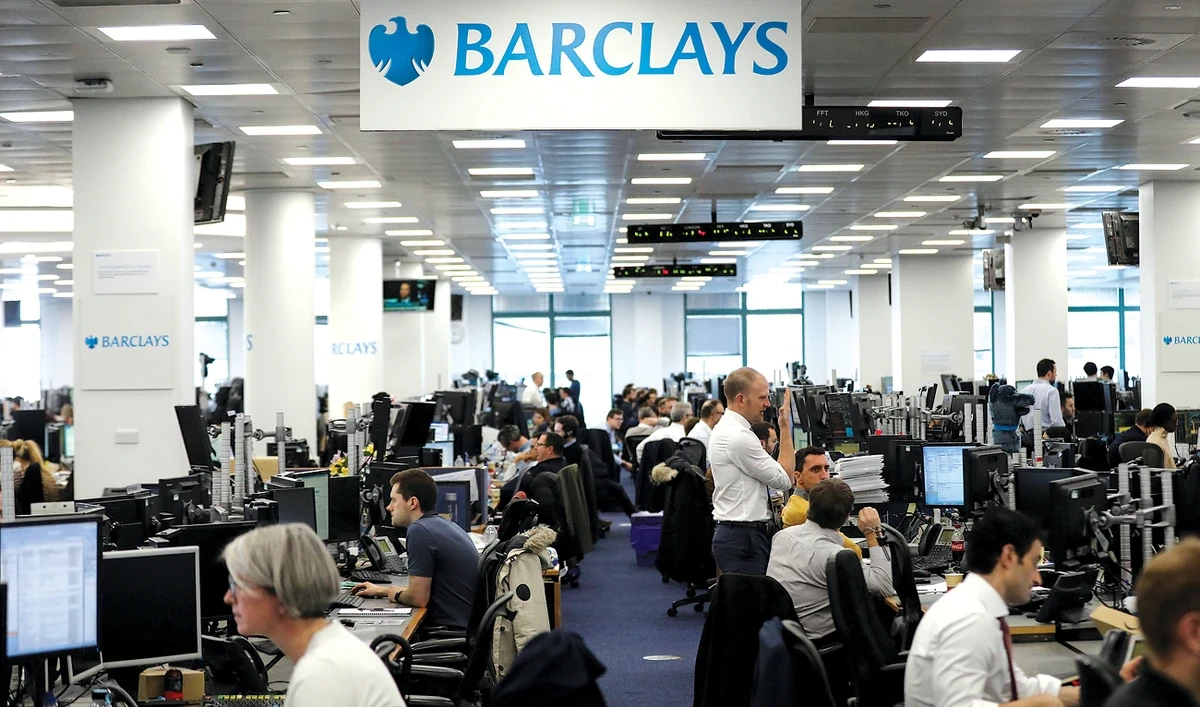
Cameron is accompanied by a high-powered 24-strong business delegation, including BP Chairman Bob Dudley, Royal Dutch Shell Chief Executive Peter Voser and Rolls-Royce Chairman Simon Robertson.
It was unclear whether Cameron raised with Medvedev a raid on BP’s Moscow offices by court bailiffs, which came a day after US giant ExxonMobil signed a deal giving it access to Russian Arctic oilfields that BP had tried to develop.
The main deals announced during the visit included a plan by British home improvements retailer Kingfisher to open nine new stores in Russia and a memorandum on cooperation between Rolls-Royce and Russia’s atomic energy agency.
Litvinenko’s death sent relations to a post-Cold War low and bad feeling over the murder runs as deep as ever.
Officials on both sides said they expected little concrete progress during Cameron’s visit.
But the British government wants to open effective channels of communication to both Medvedev and Prime Minister Vladimir Putin, to reinforce the position of British business in Russia and to encourage respect for the rule of law and reform in Russia.
Putin, who has not met a British leader since 2007, is widely expected to run for president in the 2012 election.
“Probably the main result of it is that we have made an important step to make our bilateral ties high-level, constructive and productive,” Medvedev said.
Four former British foreign ministers urged Cameron on Sunday to raise human rights cases with Medvedev, including what they called the “politically motivated detention” of business partners Mikhail Khodorkovsky and Platon Lebedev and the death in detention of lawyer Sergei Magnitsky. “These concerns need to be addressed before business can truly flourish,” the former ministers — Malcolm Rifkind of Cameron’s Conservative Party, and David Miliband, Margaret Beckett and Jack Straw of the opposition Labour Party — wrote in a letter to the Sunday Times.