- Former counterterrorism officer accuses CIA of withholding intelligence before terror attacks
WASHINGTON: This is not easy news to digest. FBI agent Ali Soufan has written a memoir about his days as a counterterrorism expert from 1997 to 2005, during which he was heavily involved in the struggle against Al-Qaeda.
Soufan recounts his experiences at the heart of high-profile terror investigations, and says the Central Intelligence Agency’s use of torture on detainees was unnecessary and counterproductive.
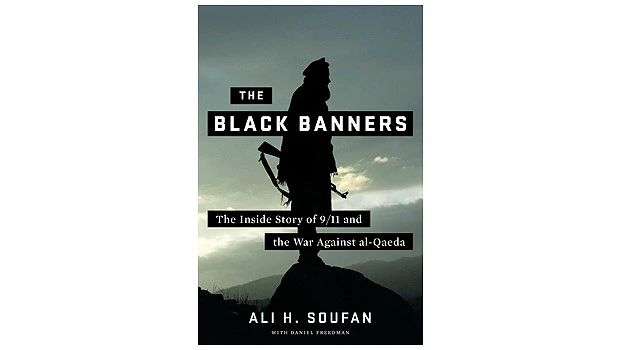
The book, The Black Banners: The Inside Story of 9/11 and the War Against Al Qaeda, co-written with by Daniel Freedman, a colleague at Soufan’s New York security company, went on sale on Monday (Sept. 12).
Before his retirement, Soufan for years was the FBI’s lead agent in the war against Al-Qaeda, as well as its most effective interrogator, which is one reason why his book has become an instant attraction here.
Soufan accuses the CIA of insisting on scores of redactions, he says, are not justified on security grounds but are aimed at undermining an account that reflects badly on the agency.
He also blames CIA officials, who he says deliberately withheld crucial documents of Al-Qaeda operatives from the FBI, on the lack of action against two of the 9/11 hijackers which allegedly could have helped thwart the 9/11 attack.
Not only does he allege that the CIA denies three written requests to obtain the information from the FBI, Soufan also says the CIA later lied about this incident to the 9/11 Commission.
He slams the CIA for its brutal interrogation tactics, which he says were directed from the Bush’s White House and opposed by some CIA officers.
The accusations have not pleased the CIA. Last month, in advance of the book’s release, the CIA demanded the book’s publisher make extensive cuts that were critical of its performance before and after the Sept. 11 attacks.
Soufan insisted that the parts of his book that the CIA removed did not endanger national security, but merely shielded the reputation of the spy agency.
A spokesman for the CIA rejected the accusation.
In a 78-page letter, the CIA requested a range of cuts to the manuscript, including of information already made public or discussed at congressional hearings, according to WW Norton and Company, the book's publisher.
But the company said it published the book with the edits demanded by the CIA.
US government employees who hold security clearances are required to have their books vetted for classified information before publication. However, since decisions on what should be classified can be highly subjective, the prepublication review process often becomes a battle, as it has here.
Soufan has called the CIA’s cuts and editing of his book “ridiculous,” but said he thought he would prevail in getting them restored for a later edition. He said he believed that counterterrorism officers have an obligation to face squarely “where we made mistakes and let the American people down.”
Several former US spies have gone to court to fight redactions to their books, and the Defense Department spent nearly $50,000 last year to buy and destroy the entire first printing of an intelligence officer’s book, which it said contained secrets, the report adds.
The dispute over the book comes as the country marked the 10th anniversary of the Sept. 11 attacks on New York and Washington amid a continuing debate about the treatment of terror suspects.