- WASHINGTON: The United States said Tuesday it was disappointed by Israel's announced plans to build new homes for Jewish occupiers in East Jerusalem.
"We are deeply disappointed," said State Department spokeswoman Victoria Nuland, adding the US considered the move "counterproductive to our efforts to resume direct negotiations between the parties." "We have long urged both parties to avoid actions which could undermine trust, including in Jerusalem, and we'll continue to work with the parties to try to resume direct negotiations," she added.
The US reaction came hours after Israel approved a plan to build 1,100 new homes in a Jewish settlement in East Jerusalem, a move Palestinians slammed as a rejection of a proposal by the so called Quartet - the United Nations, EU, United States and Russia — for new peace talks.
The project's passage on Tuesday is just one stage of a lengthy, multi-year approvals process for the planned expansion of the Gilo neighborhood, which lies in Jerusalem's south.
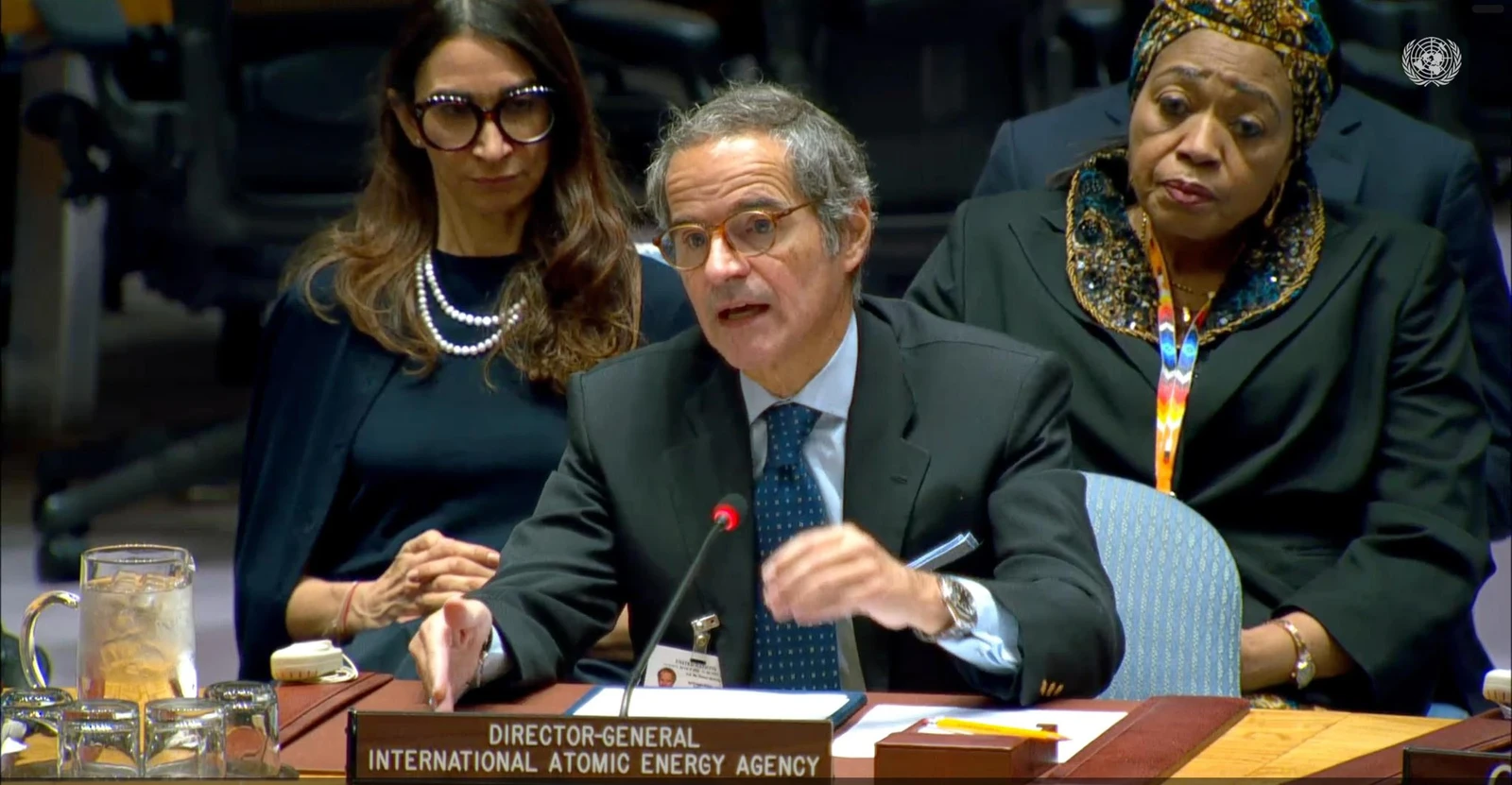
Meanwhile, the UN's political chief said Tuesday that Israel and the Palestinians remain far apart on reaching a peace agreement but insisted "now is time for everyone to give diplomacy a chance."
B. Lynn Pascoe told the UN Security Council that the main obstacles to setting up a Palestinian state — a bid which Palestinian President Mahmoud Abbas submitted last week despite a promised US veto and pressure to drop the application — are political, not institutional.
He said that the main issue remains the "continuing Israeli occupation and the ongoing Palestinian divide."
The remarks at the monthly briefing on the Middle East highlighted the tenuous path confronting not only the Palestinians and Israelis, but also the Quartet of Mideast mediators who have drafted a plan to bring the two sides together, with an ultimate goal of achieving a deal by the end of next year.
"Resuming negotiations, and making progress, is easier said than done," Pascoe told the council. With the Quartet's proposal and the push to restart negotiations, "this would be a moment where the parties would be truly tested in their readiness to make serious proposals that addressed the core concerns of the other."