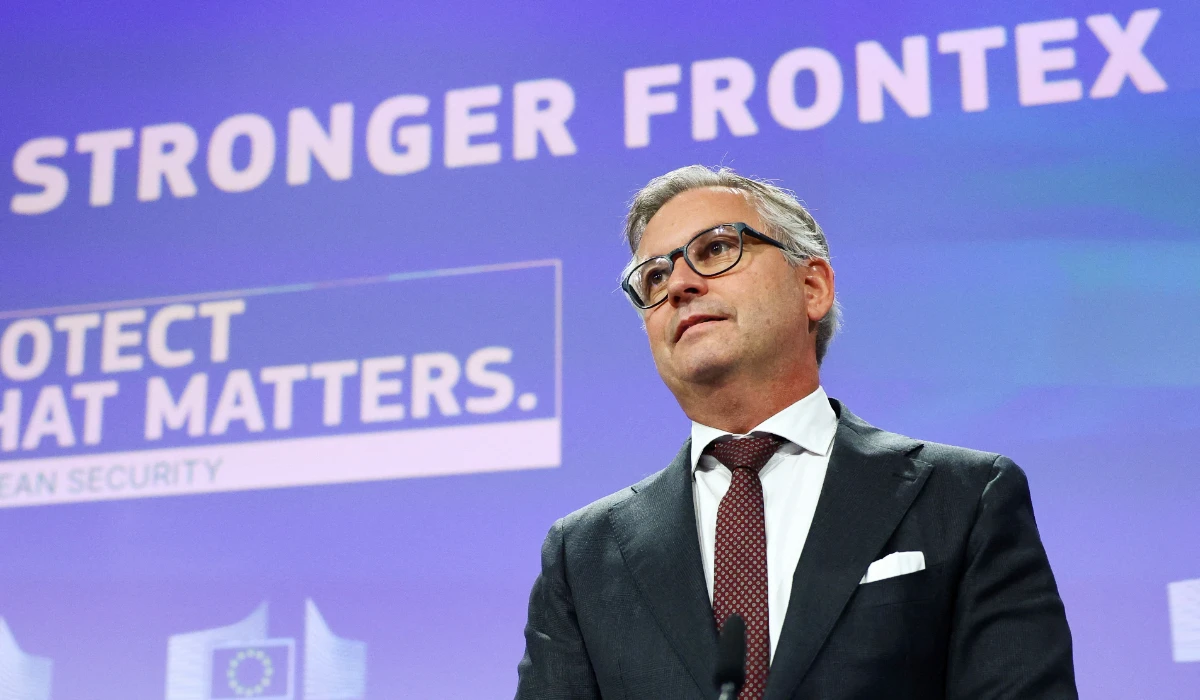
- BRUSSELS: EU lawmakers voted on Wednesday to give an extra 24 million euros ($33 million) this year, on top of the 88 million already allocated, to the bloc’s border protection agency, Frontex, to help boost the region’s external frontiers.
Europe’s borders have been under extra pressure this year, largely due to the arrival of thousands of North African migrants fleeing conflicts in Libya, Tunisia and elsewhere.
There have also been several incidents at internal EU borders, after countries inside the bloc’s passport-free Schengen zone — including Denmark and France — reimposed border controls to counter illegal immigration and crime.
Earlier this month, EU lawmakers gave Frontex new powers for equipment, such as cars or helicopters, and dedicated officers to work with relevant EU, United Nations and NGO agencies, to ensure migrants’ rights are respected.
Related EU migration and refugee funds will receive an extra 20 million euros for 2011.
“The Arab Spring has created migratory pressure in the southern Mediterranean region. In order to support the efforts of the member states more directly, the European Parliament has acted... by swiftly approving... more funds to Frontex and other EU migration-related agencies,” said Polish EU lawmaker Sidonia Jedrzejewska, who led the vote.
The money was meant for energy projects but was not spent.
Frontex’s 300 staff patrol 42,672 km (26,515 miles) of external sea borders as well as 8,826 km of land borders.