
- LONDON: OPEC oil output is expected to rise in September to its highest in almost three years due to higher supplies from Iraq, Libya and Angola, a Reuters survey found on Thursday.
Supply from all 12 members of the Organization of the Petroleum Exporting Countries is expected to average 30.25 million barrels per day (bpd) this month, up from 30.15 million bpd in August, the survey of sources at oil companies, OPEC officials and analysts found.
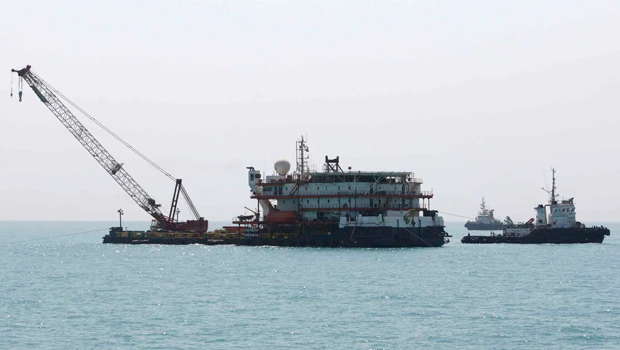
The biggest increase in supply is coming from Iraq, which has achieved a sharp increase in exports from its southern terminals this month, according to shipping data.
September’s total is expected to be OPEC’s highest since October 2008, shortly before it agreed to a series of supply curbs to combat recession, based on Reuters surveys.
August’s total was also the highest since October 2008.
Libya’s output, which fell to almost nothing due to the civil war, has begun to recover, the survey found.
The survey also indicates that Gulf countries have yet to cut back on the extra supplies they provided to offset the loss of Libya’s exports.
The biggest drop in supply this month in OPEC is from Nigeria, due to a combination of damage to pipelines and the effect of tanker scheduling which contributed to a high August export rate.
OPEC does not provide timely official production figures so the oil industry relies on outside supply estimates from news agencies, consulting firms and government organizations.
Oil prices have dropped sharply this quarter on fears of a US recession and concern that Europe’s debt crisis will spread and damage the global economy further.
But prices rose on Thursday. Brent crude oil futures for November rose $1.39 to $105.20 a barrel by 12:55 p.m. EDT (16:55 GMT), after rising as high as $105.82. US crude oil futures gained $2.10 to $83.31 a barrel, after hitting a high of $83.98 a barrel.
Brent was poised for a monthly drop of about 9 percent and a quarterly decline of about 8 percent. US crude has fallen about 14 percent this quarter, the sharpest drop since the last quarter of 2008.
Morgan Stanley has slashed its forecast for Brent by $30 to $100 a barrel for 2012, citing rising output from Libya and the weak economic outlook.
Brent should drop to $100 by the end of 2011 and could dropas low as $85 a barrel in the first half of next year before tighter balances and slow growth send it closer to $110, the bank said in a research.
Before it adjusted its forecast lower, Morgan Stanley and Goldman Sachs had been among the most bullish of the major banks, forecasting $130 a barrel for 2012.
Reuters technical analyst Wang Tao says Brent has resumed a medium-term downtrend and should move toward a range of $98.74 to $100 per barrel.
In another development, two sources at Iraq’s North Oil Company or NOC said Iraqi oil exports to Turkey through the northern Kirkuk-Ceyhan pipeline should resume in two to three days after repairs are made to fix a leak.
Iraq exported 461,000 barrels per day from its northern fields in August, mostly through the Kirkuk pipeline to the Mediterranean port of Ceyhan.
“In the next two days we will fix it and resume pumping oil,” said one NOC official.
Sources in the North Oil Company on Wednesday reported a leak near the town of Shirqat, about 300 km north of Baghdad, that had forced the company to stop pumping.
Production has not stopped and crude is being pumped into storage tanks.
The bulk of Iraq’s total oil exports of 2.189 million bpd in August moved through the southern export terminals in Basra.