
- PARIS/LUXEMBOURG: France and Belgium came to the rescue of Dexia SA on Tuesday, the first government bail-out of a European bank in the euro sovereign debt crisis.
The lender to thousands of French towns, which also needed propping up after the 2008 financial crisis, will see its French municipal finance arm broken off and put under the ownership of French government banks.
The rescue plan also looks likely to involve a broader break-up, with the sale of healthier operations, such as its Belgian and Turkish banking businesses, as well as the creation of a state-supported bank containing toxic assets.
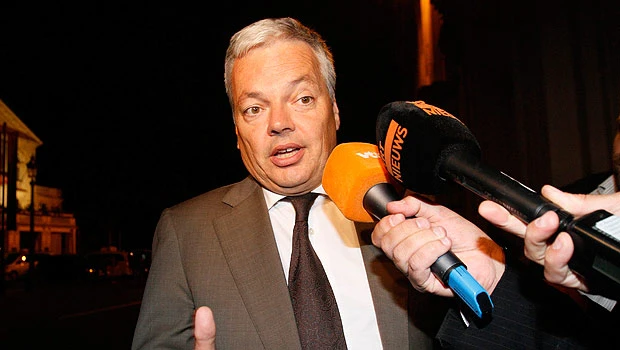
"We have to put all the dangerous parts outside of the bank. It is here where the state guarantee will come into play, it's what's called a 'bad bank'," Belgian Finance Minister Didier Reynders said after a joint Franco-Belgian government statement pledging support.
Laid low in recent weeks by its heavy exposure to Greece and problems accessing wholesale funds, Dexia saw its shares drop as much as 38 percent to an all-time low on Tuesday as confidence in the group collapsed.
"Basically, what we're getting towards here is backdoor nationalization," said one London-based analyst speaking on condition of anonymity. "Everything that's happening now is just a case of how you split up the pie but really the pie is all going toward the state, effectively."
ING chief euro zone economist Peter Vanden Houte said if state intervention was limited to guarantees, then French and Belgian finances should not be hit too hard.
Dexia shareholder France was working to break off Dexia's French local lending arm and combine it with French state bank Caisse des Depots and Banque Postale, a senator from French President Nicolas Sarkozy's center-right party told Reuters.
The plan would effectively unwind the 1996 merger that brought together a French and a Belgian bank that both focused on lending to local public authorities.
A Belgian union said around 150 out of 400 jobs were at risk over plans to dissolve the bank holding company.