- GENEVA: Syrian security forces shot and abused anti-regime demonstrators on orders hailing from the top of Bashar Assad's regime, UN-appointed investigators said Monday.
Evidence gathered by the Independent Commission of Inquiry on Syria found state officials guilty of committing crimes against humanity, including murder, rape and torture, in their brutal crackdown on protesters since March.
The panel interviewed 223 victims and witnesses, among them security force defectors, who told of shoot-to-kill orders to crush demonstrators and cases of children being tortured to death.
"The commission believes that orders to shoot and otherwise mistreat civilians originated from policies and directives issued at the highest levels of the armed forces and the government," the panel said in its report.
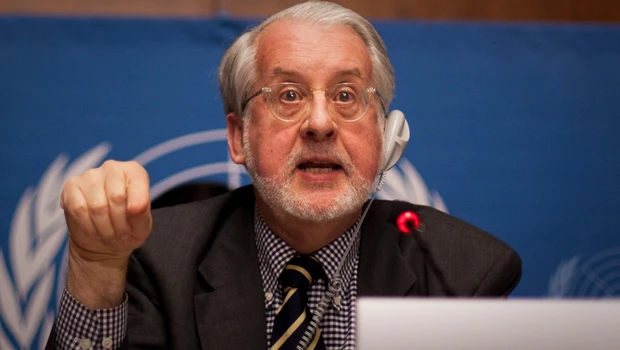
Chairman Paulo Pinheiro told a press conference in Geneva: "Members of the Syrian Army and security forces have committed crimes against humanity in their repression of a largely civilian population in the context of a peaceful protest movement.
"The commission has also concluded that the widespread and systematic violations of human rights in Syria could not have happened without the consent of the highest-ranking state officials."
Meanwhile, the Arab League chief has urged Syria to sign an Arab plan requiring it to stop a violent crackdown on protesters and said this would lead to a review of sanctions and other steps taken against Damascus, Egypt's official news agency reported Monday.
The appeal was made in a letter from League Secretary-General Nabil Elaraby to Syrian Foreign Minister Walid Mouallem. He wrote that signing the deal would lead to "a review of all the measures which the League council took."
Arab foreign ministers voted to back sweeping economic sanctions on Syria in a meeting in Cairo on Sunday after it disregarded a deadline to sign the plan. A committee made up of senior Arab officials will meet Wednesday to identify which senior Syrian officials should have their assets frozen and be banned from traveling to Arab states, MENA reported.
In Brussels, a European diplomat said the European Union will tighten sanctions against Syria's oil and financial sectors this week to punish the regime over its crackdown on protesters.
EU foreign ministers meeting Thursday will adopt a raft of sanctions including ban on exporting gas and oil industry equipment to Syria, trading Syrian government bonds and selling software that could be used to monitor Internet and telephone communications, the diplomat said.
European governments will also be barred from providing concessional loans to Syria — credit at lower rates and longer grace periods than what is offered by the markets.
The goal of the new sanctions is to "cut the regime's access to money," the diplomat said on condition of anonymity. The ministers will also add 12 more individuals and a least 11 more entities to a blacklist of people and companies hit by assets freezes and travel bans, the diplomat added.