- NAIROBI: Kenya has normalized relations with Sudan after Khartoum reversed its decision to expel the Kenyan ambassador over a Nairobi court ruling ordering the arrest of the Sudanese president, the Kenyan foreign affairs minister said Friday.
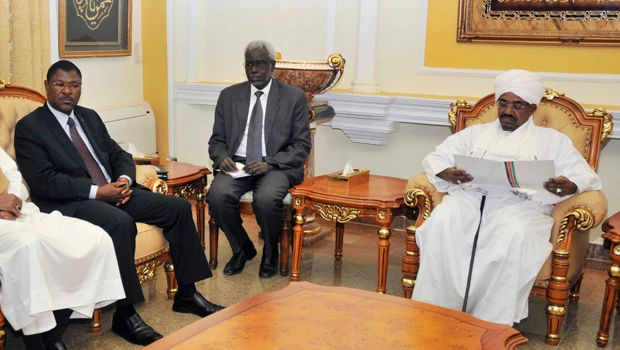
Moses Wetangula spoke to reporters after returning home from a meeting with Sudanese President Omar Bashir to defuse a row touched off by the Kenyan court's order that Bashir be arrested for suspected war crimes if he sets foot in Kenya.
"Sudan had set out a raft of reprisals against Kenya that would have had a negative effect on our economy and country ... we were able to stop these," Wetangula said.
The International Criminal Court (ICC) has issued arrest warrants for Bashir on charges of orchestrating genocide in the Sudanese region of Darfur. Sudan had threatened to expel Kenya's ambassador and pull its own envoy out of Nairobi after a Kenyan judge told the Nairobi government to detain Bashir if possible and hand him over to the ICC in The Hague.
"Our ambassador was meant to leave Khartoum last night. We were able to stop that," said Wetangula, who met Bashir in Khartoum on Thursday night to try to resolve the spat.
Kenya was criticized by the ICC and foreign governments for failing to arrest Bashir when he attended a ceremony to enact a new Kenyan constitution in August last year.
In a separate development, South Sudan said it will take legal action against Sudan and any companies engaging in the "theft" of its oil exports. Stephen Dhieu Dau, the country's oil minister, branded any sale of southern oil confiscated by Sudan "an illegal act," in response to Khartoum's announcement on Wednesday that it would take 23 percent of southern exports after the latest African Union-mediated talks on revenue sharing collapsed.
"The government of South Sudan will not tolerate any public or private party operating in South Sudan or providing services to South Sudan to act in any way complicit in the theft of South Sudan’s oil," Dhieu Dau said in a statement.