- KUWAIT: Kuwait’s emir swore in a new cabinet that closely resembled its predecessor on Wednesday to take the Gulf oil producer into a parliamentary election expected next year.
Analysts said the new cabinet was unlikely to resolve a long-standing tussle between the 50-member parliament and governments often dominated by the ruling Al-Sabah family.
“There are many responsibilities ahead of you toward the nation and challenges that we hope to overcome to move toward reform and development,” the emir, Sheikh Sabah Al-Ahmad Al-Sabah, told the new cabinet, according to state news agency KUNA.
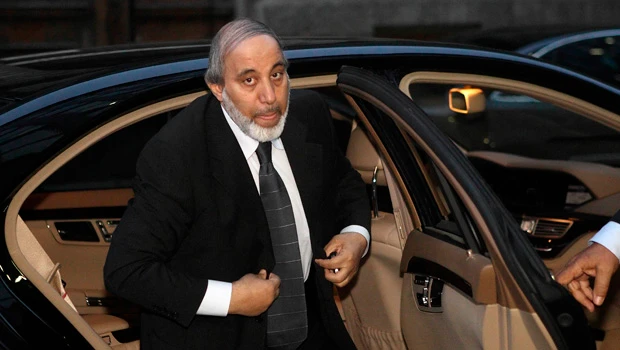
Headed by Sheikh Jaber Al-Mubarak Al-Sabah, the former defense minister, the new line-up consists mainly of ministers from the last administration which quit in November amid a deep political crisis in the OPEC member state, the world’s number six oil exporter.
Oil Minister Mohammad Al-Busairi and Finance Minister Mustapha Al-Shamali retained their posts, as did Minister for Foreign Affairs Sheikh Sabah Khaled Al-Sabah and Trade Minister Amani Bouresli.
Sheikh Ahmed Al-Humoud Al-Jaber Al-Sabah, a deputy prime minister and interior minister in the outgoing government, received the defense portfolio on top of his two other positions.
Apart from the defense ministry, only minor portfolios changed hands.
The emir last week announced the dissolution of parliament, citing difficulties in achieving progress, but fixed no date for an election, which under the constitution must be held within 60 days.
“As we enter a new stage with the upcoming parliamentary election, we are full of hope that the people choose their representatives away from tribalism and sectarianism,” the emir said.
Last month’s resignation of Prime Minister Sheikh Nasser Al-Mohammad Al-Sabah followed charges by some parliament members of corruption and mismanagement.
Some lawmakers have also been embroiled in scandal. Activists say at least 13 have been referred to prosecutors for investigation over allegations the government was paying MPs to buy their loyalty in no-confidence motions.
“The way the government was formed doesn’t help resolve the crisis,” said Sami al Faraj, president of the Kuwait Center for Strategic Studies.
He said it would be up to voters to decide whether a post-election government could be effective.
“If the new generation has their say, the next parliament will not have members that can be bribed ... there will be a strong parliament that would negotiate forming a strong cabinet,” he said.
Top policymakers called on the government a few months ago to correct imbalances in the oil-reliant economy and trim budget waste, though analysts have said political friction between the cabinet and parliament may slow that push.
Analysts polled by Reuters in September forecast that Kuwait’s real economic growth would accelerate to 4.7 percent this year and would maintain that pace in 2012.
Nancy Fahim, an economist at Standard Chartered in Dubai, said strained relations between the cabinet and parliament had the potential to stall significant progress.
“Going into 2012, we will need to see spending in Kuwait redirected toward infrastructure and investment expenditure, to help fulfil the targets of the country’s four-year development plan and in order to generate longer-term growth,” she added.