- TRIPOLI: Thousands of supporters of Muammar Qaddafi who fled their town because of revenge attacks will try to return next week, their leaders said Wednesday, risking a confrontation with their neighbors.
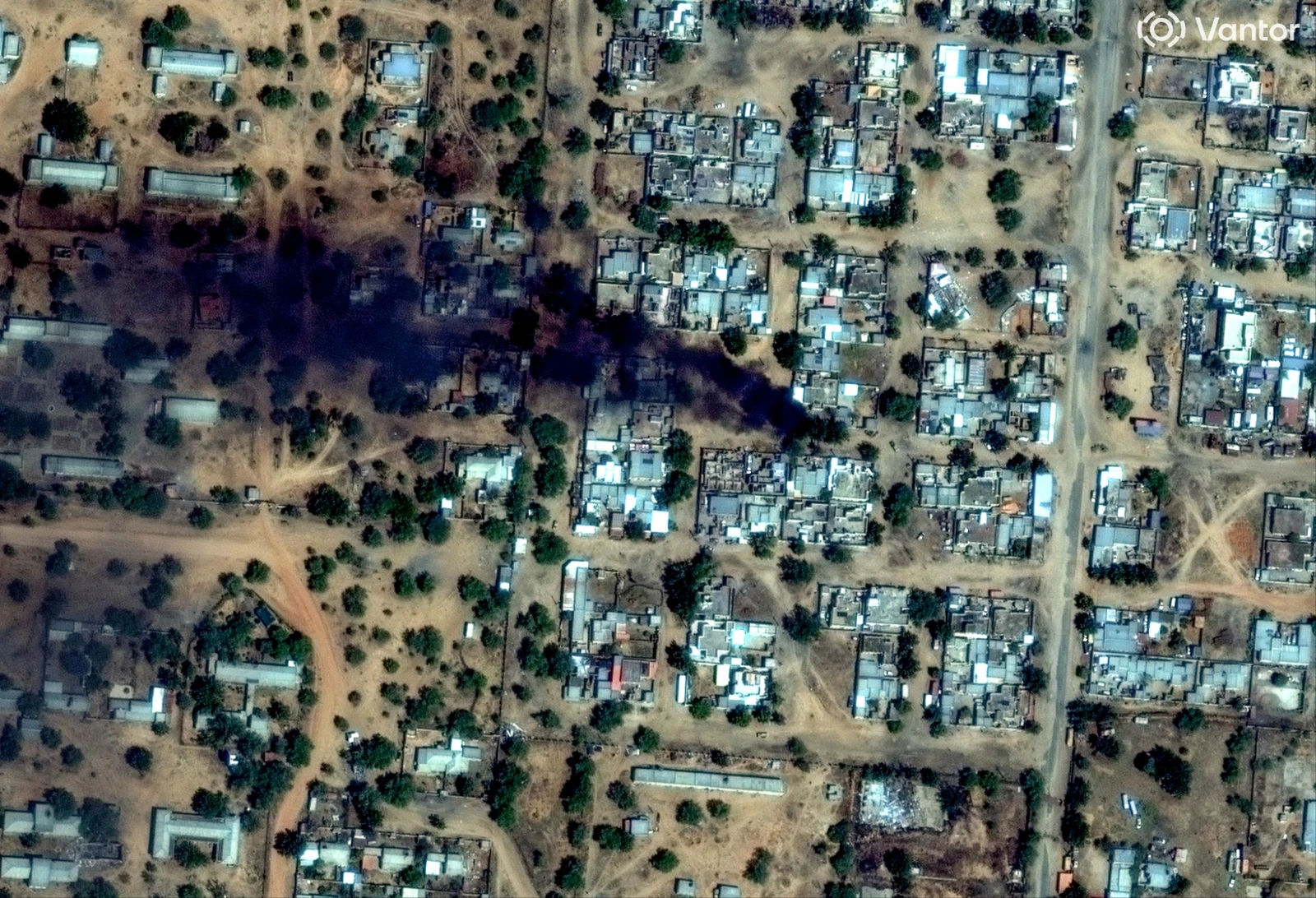
Tawargha, a town about 250 km east of Tripoli, was ransacked and looted, and its residents forced to flee in one of the worst cases of reprisals against Qaddafi loyalists since the Libyan leader was overthrown three months ago.
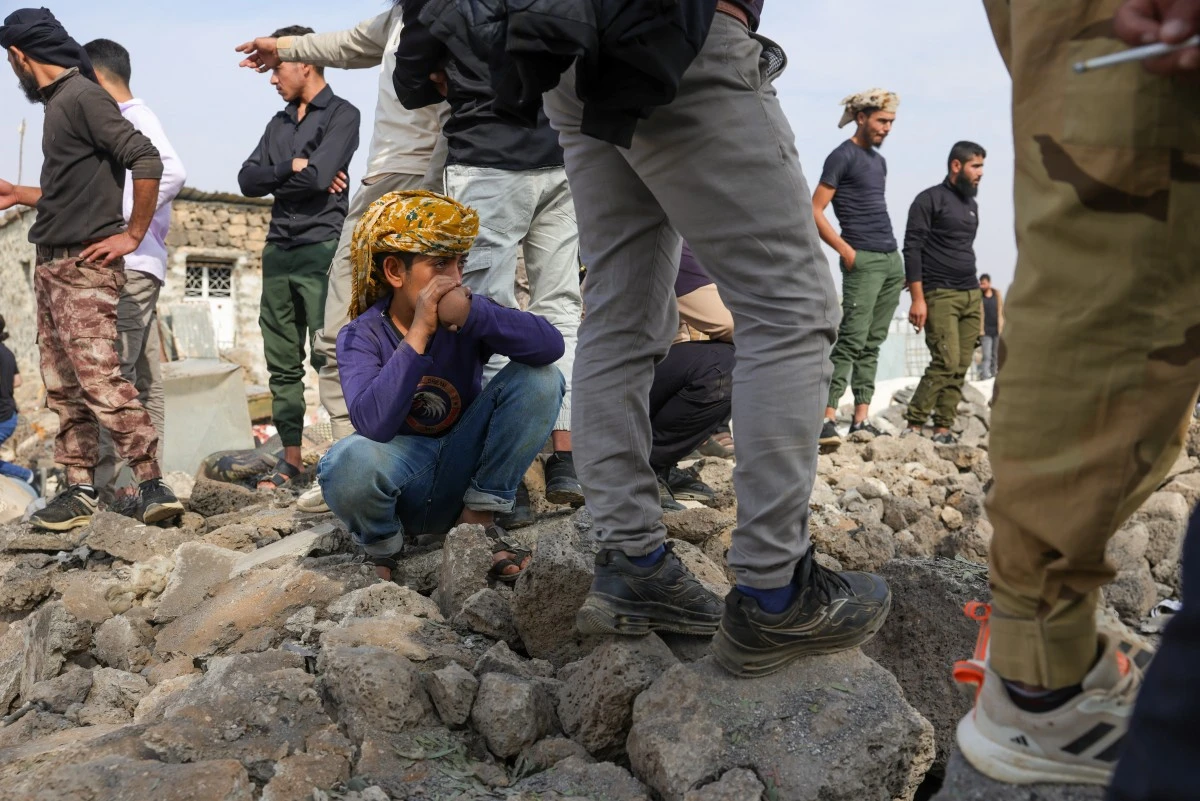
Elders from the town decided at a meeting in Tripoli that all the residents — who they said number 30,000 and are scattered in camps and makeshift accommodation across Libya — will go home on Dec. 20.
Jaballah Mohammed, one of the delegates from the town who was at the meeting, appealed to the Libyan government to help the people of Tawargha return.
"Please understand this request," he said. "We are innocent and helpless ... The people of Tawargha were under Qaddafi's militias, we did not know anything about the revolution (against his rule)."
But an official from the neighboring town of Misrata, one of the centers of the anti-Qaddafi rebellion whose fighters carried out the reprisals in Tawargha, said it was too early for residents to go back.
"It will be dangerous for them because everybody has weapons and we cannot guarantee that the people with weapons in their hands will not make trouble," said Fethi Bashaga, a member of the Misrata military council. "Nobody forced the Tawargha people to leave the city. They went of their own accord."
He said the Tawargha residents should wait until Libya's caretaker leadership, the National Transitional Council, organizes their return as part of a program of national reconciliation it launched this month. "All reconciliation should be organized by the state," Bashaga told Reuters by telephone.
People in Misrata accuse Tawargha of being complicit in a siege of their city by pro-Qaddafi forces which killed hundreds of civilians and fighters.
Rocket and artillery batteries stationed in Tawargha fired on residential districts of Misrata. Some people from Tawargha fought in the city in pro-Qaddafi units. Misrata residents allege that Tawargha men raped women in the city.
Deep-seated prejudices may also be a factor. Tawargha residents are dark-skinned, many descended from sub-Saharan African slaves, while almost everybody in Misrata is from Libya's lighter-skinned Arab majority.
International rights groups say some people from Tawargha may have committed crimes during the fighting in Misrata, but that the reprisals since then have swept up thousands of innocent people.