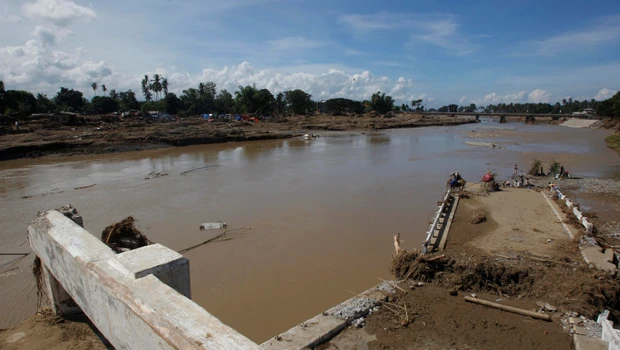
- ILIGAN, Philippines: A southern Philippine area devastated by flash floods that killed more than 1,000 people looks like it was hit by a tsunami, a UN official said Thursday as he appealed for $28 million in aid for the region.
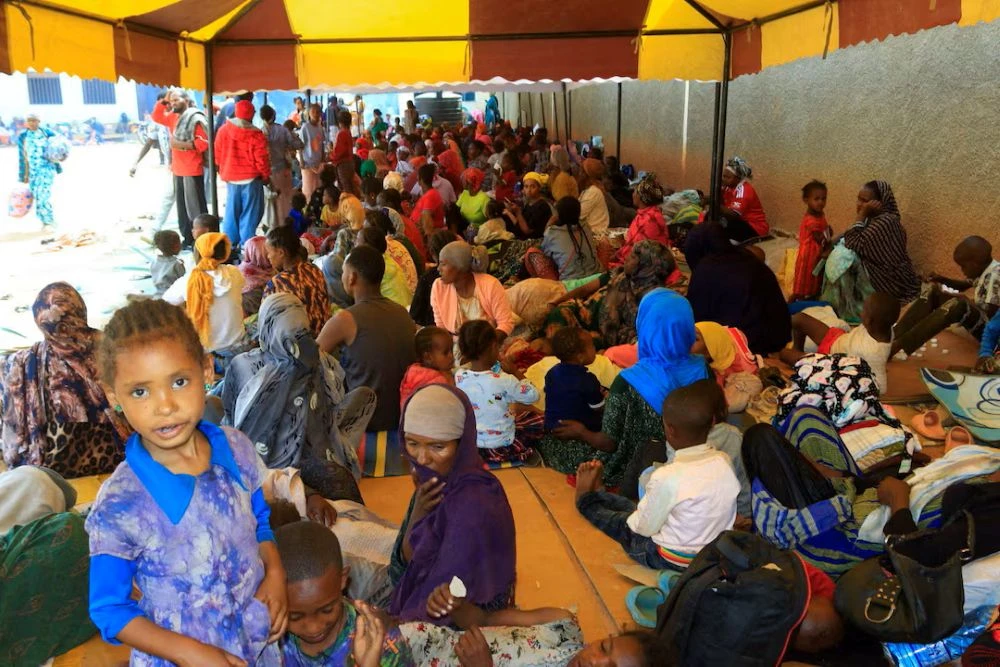
UN humanitarian coordinator Soe Nyunt-U voiced concern about possible outbreaks of disease among the thousands living in evacuation centers after their houses were washed away last Friday when a tropical storm unleashed the flash floods.
"It was as if the cities were hit by an inland tsunami," Nyunt-U told reporters in Manila. "Entire areas were completely flattened. "
Aid workers were rushing in relief supplies, but a lack of running water was a major concern.
"We must improve this situation at the soonest possible time to avoid disease outbreaks that will further compound the hardships of the people already weakened by hunger and grief from loss of family and friends," Nyunt-U said.
He mentioned a cholera type virus that may occur due to problems stemming from congestion in the evacuation centers, where poor sanitation and hygiene posed a health risk.
Such concerns were nagging Annaliza Tumanda, who was caring for her baby daughter, Aizee, born at the height of the storm and floods that destroyed their home in Cagayan de Oro. They were at a government-run shelter in the same city.
"Debris from houses, buildings and other structures that had been destroyed by the storm all swept out to the sea, leaving huge areas devoid of all traces of habitation," Nyunt-U said.
Nyunt-U said he was hopeful donors and foreign governments would respond to the appeal despite the global economic crisis. An appeal launched following a 2009 typhoon that killed about 500 people in Manila collected only half the funds needed.