- BAGHDAD: The leader of a powerful anti-American political party in Iraqi Parliament has called for new elections amid the country's worst political crisis in years.
Bahaa Al-Aaraji, the head of the Sadrists' bloc in Parliament, said Monday new elections were needed because of instability in the country.
The Sadrists are loyal to anti-American leader Moqtada Sadr and are partners in a Shiite-dominated government coalition with Prime Minister Nuri Al-Maliki.
The prime minister is currently in a political showdown with the top Sunni political figure, Vice President Tariq Al-Hashemi, after the government issued an arrest warrant for Hashemi.
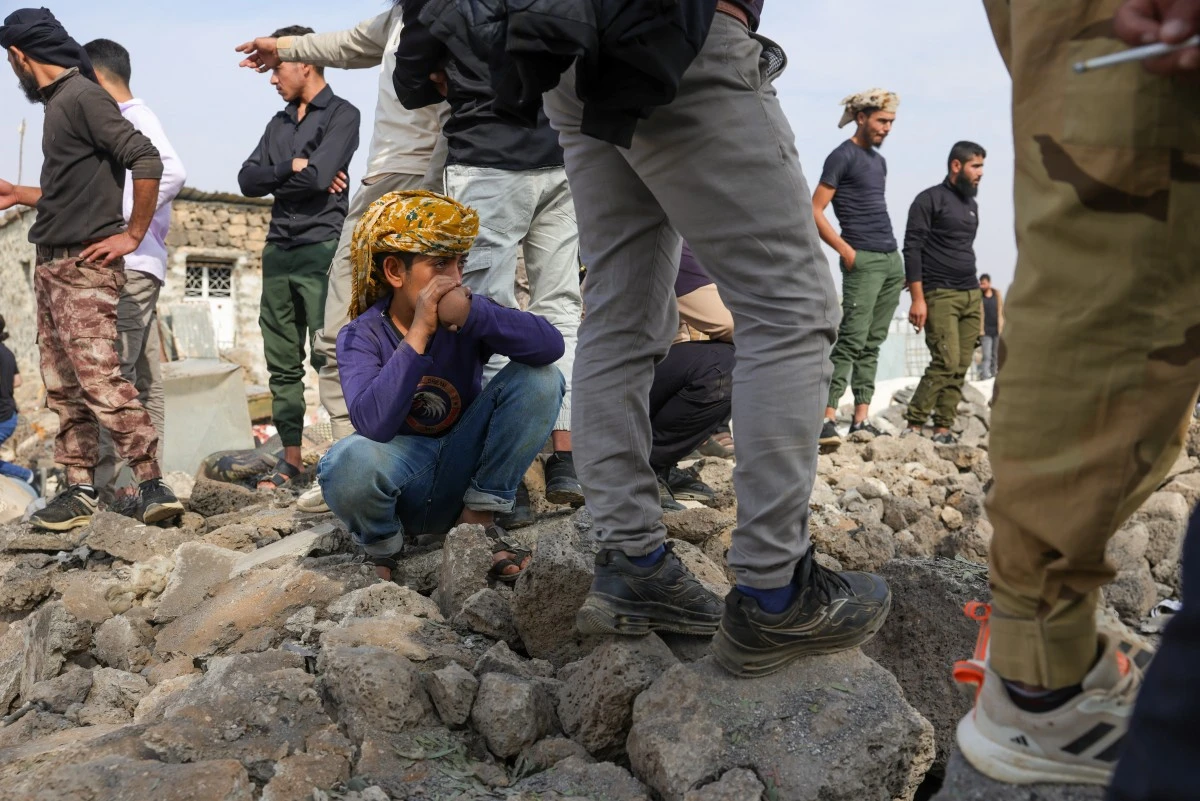
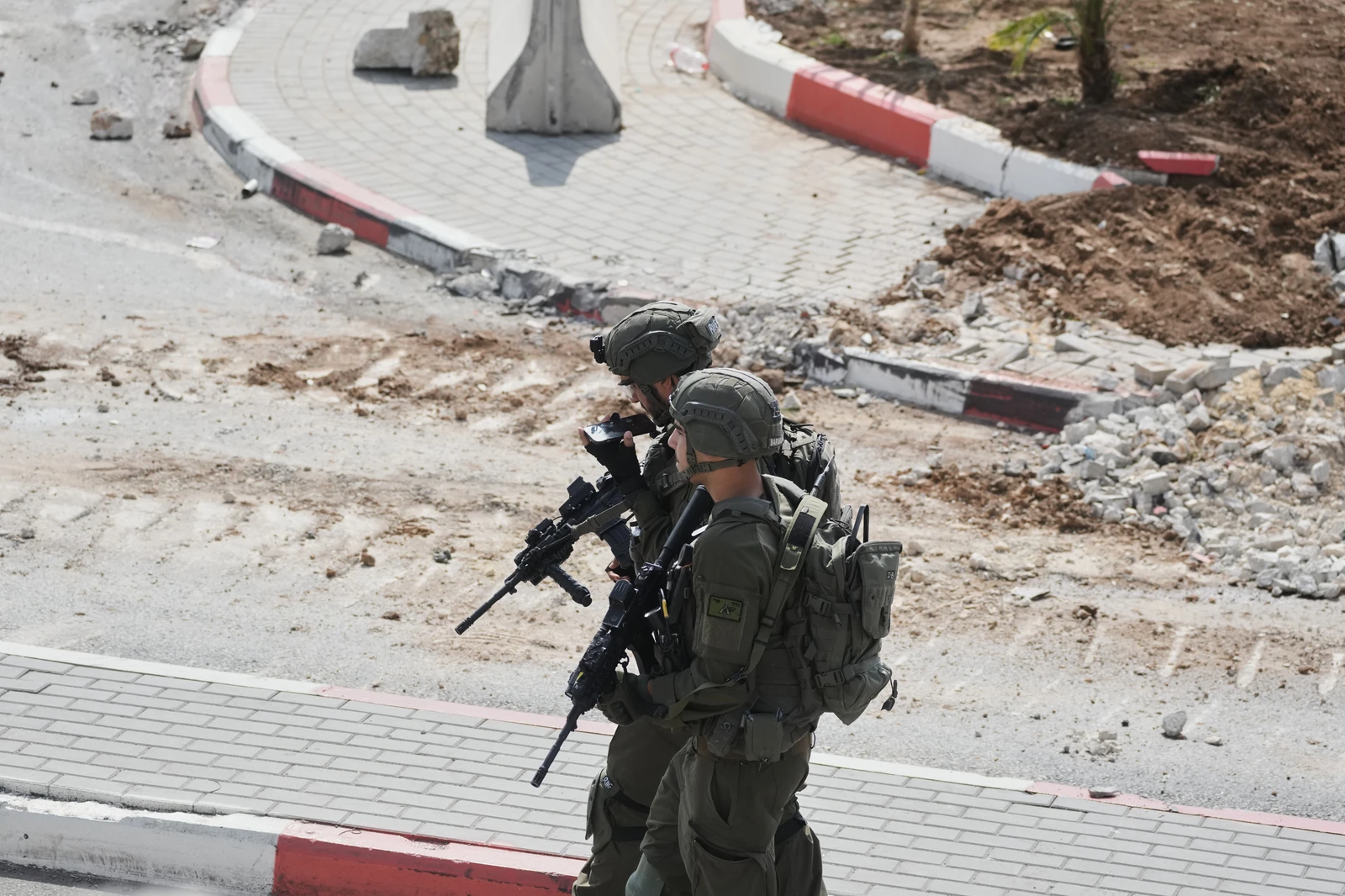
A suicide bomber set off a car bomb Monday at a checkpoint leading to the Iraqi Interior Ministry, killing seven people and injuring 32 others. The attack followed a series of bombings last week that killed up to 70 people in a single day.
Two police officers said the bomber struck during morning rush hour, hitting one of many security barriers set up around the ministry's building. Five policemen were among the dead, they said.
Also Monday, a roadside bomb hit a passing army patrol in the Abu Ghraib area west of Baghdad, killing two soldiers and injuring two others, a police officer and a doctor said.
No one has claimed responsibility for either attack, but suicide attacks and attacks targeting Iraqi security officials are usually carried out by the Al-Qaeda in Iraq terror group.
In another development, An Iraqi militia group behind the kidnap of a British consultant and his four bodyguards, and blamed for the killing of US troops, said Monday it would join the political process.
Qais Al-Khazali, leader of Asaib Ahel Al-Haq or League of the Righteous, said the departure of American forces a week ago meant violent "resistance" was no longer required. "The sons of resistance have carried out their duty successfully," Khazali told a conference in Najaf. "They are ready to sacrifice to participate in the political process."