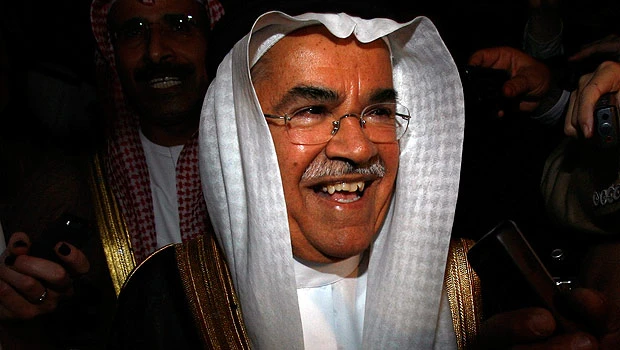
- CAIRO: Minister of Petroleum and Mineral Resources Ali Al-Naimi said Sunday that Saudi Arabia's readiness to boost oil output is not linked to sanctions that could affect Iran's oil exports.
Al-Naimi was quoted by Al-Eqtisadiah daily, a sister publication of Arab News as saying the Kingdom was ready to use its spare production capacity to fill any market need.
But he said earlier pledges to boost output as needed were not linked to global worries over US and potential European Union sanctions affecting Iranian oil exports.
The comments came as Iran's OPEC governor was quoted Sunday as warning Arab oil producers against trying to compensate for any potential shortfall in his country's crude exports. Iran has warned that it could shutter the vital Strait of Hormuz over sanctions affecting its oil exports.
"The consequences of this issue are unpredictable. Therefore, our Arab neighbor countries should not cooperate with these adventurers and should adopt wise policies," Mohammad Ali Khatibi said in an interview with the Sharq newspaper.
European Union countries have agreed in principle to embargo imports of Iranian oil as part of the latest Western efforts to step up heat on Tehran. They will look to other oil exporters to increase output to make up for the shortfall.
Iran, OPEC's second-largest oil producer after Saudi Arabia with output of about 3.5 million barrels per day, faces trade hurdles over its nuclear program, which the United States and its allies say is aimed at building bombs. Iran says it needs nuclear technology to generate electricity.
EU countries have proposed "grace periods" on existing contracts of one to 12 months to allow companies to find alternative suppliers before implementing an embargo.
The top US military commander is scheduled for talks in Israel this week, Israel said Sunday, at a time when the US is concerned that Israel might be preparing to attack Iran over its nuclear program.
The Israeli Defense Ministry confirmed the planned visit Thursday by Army Gen. Martin Dempsey, the chairman of the US Joint Chiefs of Staff. It did not give his agenda for talks with Israelis — but Iran is expected to be at the top.
On Thursday President Barack Obama and Israeli Prime Minister Benjamin Netanyahu discussed the Iran situation in a telephone conversation.