
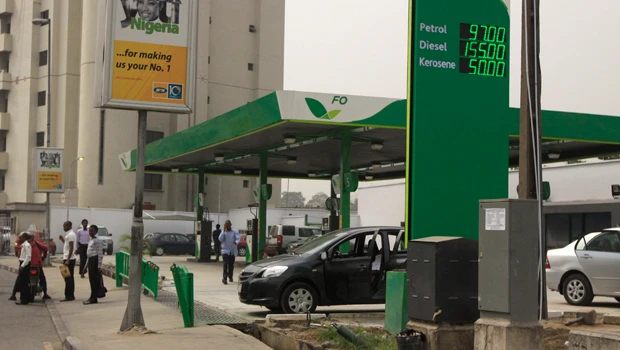
- NEW YORK: Oil prices fell, pressured by economic uncertainty ahead of a possible debt deal in Greece, concerns about China's sluggish manufacturing sector and weak US petroleum demand.
China's manufacturers had a sluggish start to the year, a survey of purchasing managers showed, weighing on oil and also on copper prices.
News that major powers seeking to negotiate an end to Iran's suspected pursuit of nuclear weapons are soon to lay out what Tehran would need to do return to talks added to pressure on oil prices, analysts and broker said.
"There are questions about Europe as far as (oil) demand and yesterday's weak US gasoline demand numbers indicate the economy may not be doing as well as thought," said Phil Flynn, analyst at PFGBest Research in Chicago.
"Signs of slowing in Chinese manufacturing didn't help and there are signs that there are efforts to take some of the tension out of the air on Iran," Flynn added.
Brent March crude fell $1.46 to $110.09 a barrel by 1:04 p.m. EST (1804 GMT), having fallen intraday to $109.42, below front-month Brent's 100-day moving average at $109.62.
Expiring US February crude fell $1.54 to $98.85 a barrel, having fallen intraday to $97.91, pushing below the 50-day moving average at $99.07.
Both Brent and US crude prices were near flat for the week, although closes near intraday lows would result in losses on the week.
The U.S. crude deficit to Brent was little changed, but remained in the area of $11 a barrel.
A planned reversal of the Seaway crude oil pipeline in the US is being delayed two months to June 1, pushing back near-term expectations that the USMidwest crude oil glut will be eased.
US gasoline and heating oil both weakened after Thursday's weekly oil data from the Energy Information
Administration showed rising gasoline and total distillate stockpiles and weak demand.
US gasoline demand last week plummeted to the lowest level in more than a decade, the EIA data showed.
Petroleum consumption in December declined 5.9 percent versus December 2010 and total 2011 demand fell 1.2 percent to an average of 18.9 million barrels per day compared to the previous year, the industry group American Petroleum Institute said on Friday.
Japan pledged to keep cutting purchases of Iranian crude, the clearest public offer of support yet among Asia's big buyers for US efforts to get consumer nations to stop buying Iran's oil.
European Union foreign ministers will assure Greece on Monday that it will still be able to buy oil on reasonable terms after the introduction of a planned EU ban on Iranian crude, a senior Brussels official said on Friday.
EU ministers meet on Monday and are expected to announce sanctions on importing Iranian oil.
The expected statement on what terms talks with Iran could be started by major powers Britain, China, France, Germany, Russia and the US would be the latest signal the diplomatic path remains open to Iran despite tougher sanctions and speculation of a military strike on its nuclear facilities.
An ally of Iran's supreme leader called for Israel to be "punished" for killing a nuclear scientist.
French President Nicolas Sarkozy said that time was running out to avoid a military intervention. He appealed to China andRussia to support new sanctions.
Russia and China are veto-wielding UN Security Council members who have been reluctant to back an oil embargo, let alone military force.