- BEIRUT: Bomb blasts killed at least 14 prisoners traveling in a security vehicle in northwest Syria on Saturday and troops fought rebels elsewhere as the Arab League weighed whether to keep monitors in place.
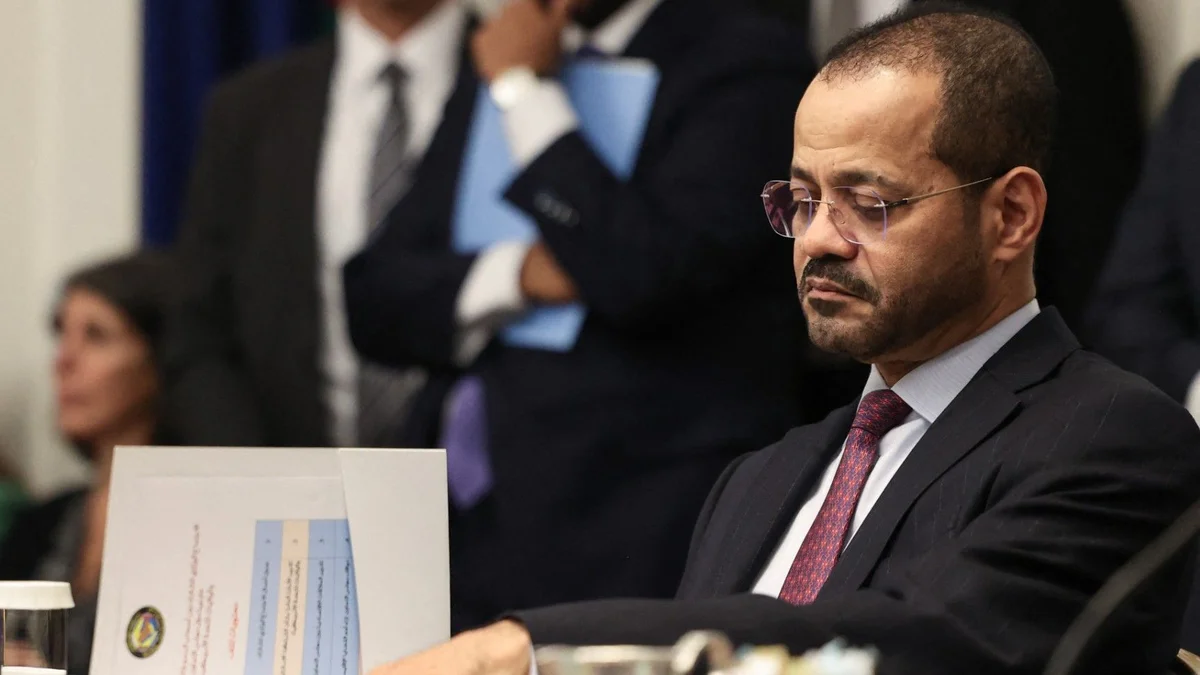
The opposition Syrian National Council (SNC) has formally asked the Arab League to refer the Syrian crisis to the UN Security Council, after Arab observers failed to end the bloodshed, an opposition spokeswoman said.
Syrian opposition groups have called in the past for the case to be referred to the Security Council but had not made a formal request to the 22-member League, whose foreign ministers are due to discuss the Syrian crisis on Sunday.
“We think that when the Arab League refers the case to the United Nations and to the Security Council the situation will change,” SNC spokeswoman Basma ElKadamny told reporters in Cairo on Saturday.
The League looks set to extend its monitoring mission in Syria, given the lack of any Arab or world consensus on how to halt bloodshed there, an Arab diplomatic source said.
Syria’s state news agency SANA said a “terrorist” group had set off two explosions on the road between the towns of Idlib and Ariha, killing 14 prisoners and wounding 26.
Six police guards were also wounded, some critically. The British-based Syrian Observatory for Human Rights, which tracks the 10-month-old revolt against President Bashar Assad, said the death toll from the attack had risen to 15.
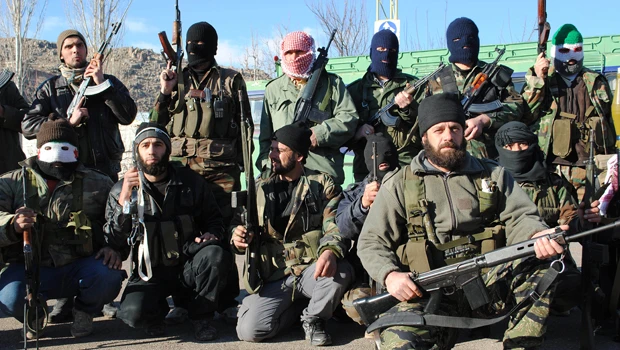
Elsewhere in Idlib province, it said troops were clashing with army deserters who have joined the insurgency in the Jebel Al-Zawiya. The bodies of three soldiers were found near the village of Babolin, it added.
Syrian forces killed one Lebanese fisherman and wounded another when they seized their boat off the Lebanese-Syrian coast, the father of the dead man said. It was not clear why the Syrians had intercepted the vessel. Syria says its neighbors are failing to combat arms smuggling that supplies insurgents. Hundreds of people were killed during the month-long observer mission, dispatched to assess Syria’s implementation of an Arab peace plan originally agreed in early November.
Syria, keen to avoid tougher action by the Arab League or by the United Nations, has tried to show it is complying with the plan, which demanded a halt to killings, a military pullout from the streets, the release of detainees, access for the monitors and the media, and a political dialogue with opposition groups.
“Yes, there is not complete satisfaction with Syria’s cooperation with the monitoring mission,” the Arab source said. “But in the absence of any international plan to deal with Syria, the best option is for the monitors to stay.” Critics say the Arab monitors have only given Assad diplomatic cover to pursue a bloody crackdown on his opponents. This month the Syrian authorities have freed hundreds of detainees, announced an amnesty, struck a cease-fire deal with armed rebels in one town, allowed the Arab observers into some trouble spots and admitted a gaggle of foreign journalists.
Assad also promised political reforms, while vowing iron-fist treatment of the “terrorists” trying to topple him. Burhan Ghalioun, head of the SNC, met with opposition colleagues and Arab League officials in Cairo Saturday.
Western powers remain sharply critical of what French President Nicolas Sarkozy denounced on Friday as Assad’s “ferocious repression of his people,” but have failed to overcome Chinese and Russian opposition to any Security Council resolution condemning Syria or imposing sanctions.
The United States and the European Union have toughened their own punitive measures, but have shown no desire to mount a Libya-style military intervention to help Assad’s opponents, who include both insurgents and peaceful protesters.