
- RIYADH: The International Energy Forum (IEF), an intergovernmental body comprising 88 member nations including the Gulf states, has called for more transparency in oil and gas markets and to further strengthen the dialogue between process oil producing countries and consuming nations to face new challenges.
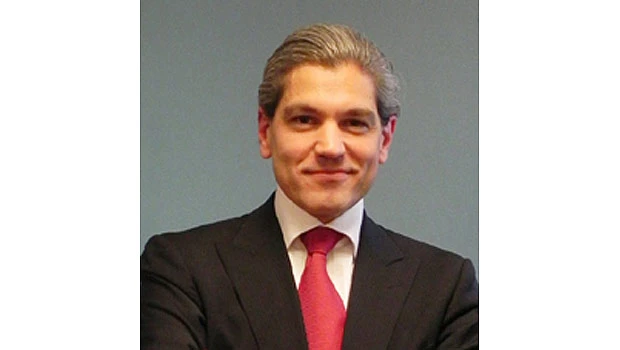
Aldo Flores-Quiroga, the newly appointed IEF secretary general, made the call in an interview with Arab News.
“Transparency in oil and gas sector, energy security and volatility on global level are major concerns for IEF,” said Flores Quiroga, while giving details of the IEF’s Joint Organizations Date Initiative (JODI).
He said the extension of JODI to annual oil data on upstream and downstream capacities, and the expansion plans, which will start with oil, is currently underway — with first results expected this year itself.
“To improve data transparency in the oil market, all flows, including stocks for all products, must be consistently delivered in a timely and accurate manner,” said the IEF chief.
He pointed out that the IEF capitalizes on the combined efforts of six diverse international organizations including OPEC, and the International Energy Agency (IEA) to improve transparency in oil and gas markets.
The IEA has also pledged to work on this front and promised to act also in case oil supplies become constrained.
The IEF chief in his interview also spoke about the IEF’s partnership with other global energy organizations and the plans to hold an international gas forum with special reference to the forthcoming IEF ministerial summit in Kuwait.
The IEF will be holding the gas forum in cooperation with the International Gas Union (IGU) later this year.
The aim of the forum, he said, is to explore evolution of gas markets and discuss the increasingly important role of gas in the energy mix.
Asked about the agenda of IEF ministerial meeting in Kuwait, Flores-Quiroga said the gathering will focus on the new challenges of the global energy industry on March 13 in Kuwait.
“These are new times for the global energy industry, which continues to bring new challenges and opportunities to all nations,” said Flores-Quiroga.
“This high-profile two-day meeting in Kuwait will discuss the whole range of energy-related issues including the new sources of energy, mainly renewable energy,” he added.
He pointed out that “this open dialogue, at both political and technical levels in Kuwait, will help overcome differences, improve policy and investment decisions, and through increased knowledge and experience sharing, reduce uncertainty on many levels.” He said that Algeria and the Netherlands are the co-sponsors of the Kuwait meeting.
He said an International Energy Business Forum (IEBF) will be held on the sidelines of the ministerial meeting in Kuwait.
The IEF chief said the IEBF leaders will discuss all issues related to energy and deliver their findings to the IEF ministers. The industry leaders will also participate in the opening session of the ministerial meeting.
Referring to the IEF’s new charter, he added: “The IEF’s mandate includes a comprehensive dialogue that provides a neutral platform.......... generates better understanding of policies, intentions and developments that affect the behavior of the energy market.”
He also said: “We are also working closely with global organizations like OPEC in order to understand the determinants of volatility and the outlook of energy market in general,” he added.
The IEF’s 88 member countries currently account for around 90 percent of global oil and gas supply and demand.