- ADEN/SANAA: Security forces and armed southern separatists clashed in the port city of Aden on Monday, witnesses said, as rising tensions in south Yemen threatened to disrupt Tuesday’s presidential vote.
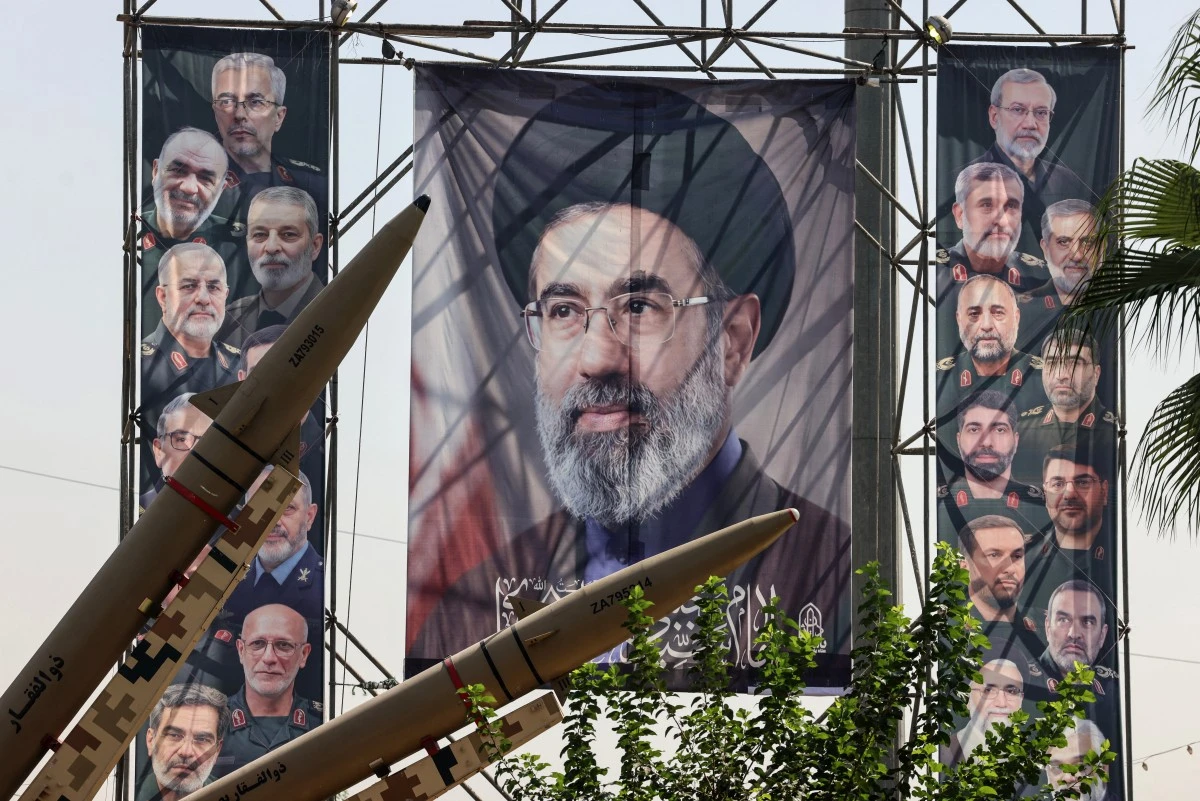
The US envoy to Yemen said on Monday that Iran is becoming more active in Yemen and could pose a deeper threat to its stability and security.
US Ambassador Gerald Feierstein's warning is likely to reinforce long-held fears among Gulf states that Shiite Iran is trying to exploit regional unrest.
“We do see Iran trying to increase its presence here, in ways that we believe are unhelpful to Yemen's stability and security,” Feierstein said in an interview one day before Yemenis head to the polls to elect a new president to replace Ali Abdullah Saleh.
“I think that we are seeing increasing Iranian outreach to various actors,” Feierstein said.
Troop reinforcements with dozens of armored vehicles arrived in Aden from Sanaa late on Sunday to guard voters after hard-line members of the separatist Southern Movement threatened violence on election day, security officials said.
Witnesses said government troops and armed separatists exchanged fire mid-morning on Monday in the Mansura neighborhood of Aden, a stronghold of the movement, where a mass protest against the poll was also expected.
There were no immediate reports of casualties.
Aden security chief General Ghazi Ahmed Ali warned that “whoever tries to block roads will be arrested and prosecuted” for attempting to disrupt the nationwide election.
“Nobody has the right to prevent people from voting. We respect whoever boycotts the elections but we cannot remain silent toward those who try to hamper tomorrow’s election,” Ali told AFP.
Authorities have taken pre-emptive action.
Police on Sunday and Monday carried out “arrest raids on armed hard-liners” from the Southern Movement who were trying “by force to prevent citizens from participating in the elections,” according to a security official.
“These elements are trying to create a state of fear among citizens by spreading rumors that Feb. 21 will see acts of violence,” the official told AFP.
An activist from the movement told AFP that 19 of its members “were arrested Sunday night by police” at a checkpoint in northern Aden as they tried to reach Martyrs’ Square, a focal point for separatist protests in Aden.
Attacks on electoral offices and polling stations, meanwhile, have increased since last week.
Dozens of protesters on Monday stormed the headquarters of the electoral commission in Ataq, capital of the southeastern Shabwa province, witnesses and activists said. Riot police responded by firing tear gas and warning shots to disperse them, the sources said, adding that at least 10 people suffered from breathing difficulties due to tear gas inhalation.
In Daleh province, poll organizers were unable to send ballot boxes to several areas because of roadblocks that protesters had set up in five villages, local officials said.
In some villages of Shabwa, authorities needed the help of tribal dignitaries to send out ballot boxes, an official from the electoral commission said.
On Sunday night, southern militants fired a rocket-propelled grenade at an election base in the Khor Maksar neighborhood of Aden, a security official told AFP, adding there were no casualties.
Also on Sunday, three soldiers were wounded in a clash with southern separatists near a polling booth in the southern province of Lahij.
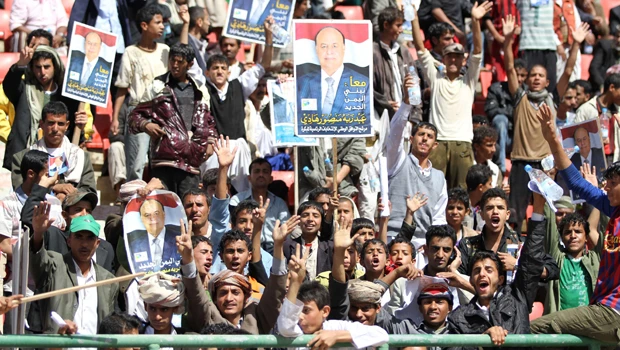
The Southern Movement has called on its supporters to boycott Tuesday’s election in which vice president Abdrabuh Mansur Hadi will be the only candidate.
A hard-line faction from the separatist movement on Saturday called for a day of “civil disobedience” to disrupt the poll.
Hadi, himself a southerner, will become president for a two-year interim period as stipulated in a Gulf-brokered deal signed by President Ali Abdullah Saleh after months of protests against his 33-year-rule.