- Arab Spring initially made 82 percent of the population in the United States sympathize with Arab citizens.
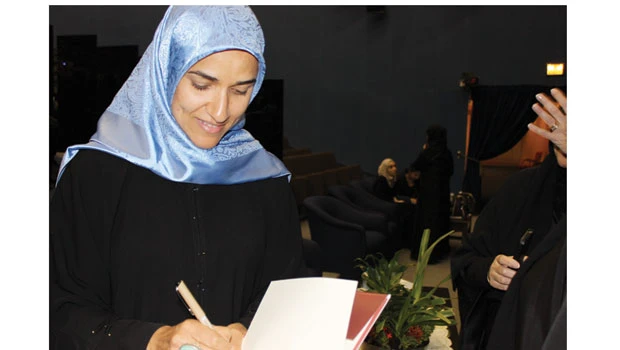
It may have opened a window toward better relations between Muslims and non-Muslims, said Dahlia Mogahed, executive director of a United States research center, in a speech at Effat University for women on Sunday.
The Gallup Center for Muslim Studies conducts extensive research on what Muslims think. Through their publications, research center makes the Muslim voice heard to amend widespread preconceived opinions.
“Contrary to popular believe, Americans were actually quite positive about Muslims right after 9-11,” said Mogahed. “The feelings of understanding and respect tend to ebb and flow.”
Islamophobia gets worse when the US is directly involved in a war or conflict involving Muslims, or during elections, when candidates try to drum up fear.
“When Arab Spring started, we found a lot of people sympathized with Arabs. The American people saw citizens sacrificing themselves for values they themselves hold dear. After the elections in Egypt and Tunisia, however, these positive feelings ebbed. Still, I am convinced this period has done a lot of good for the relations between Muslims and the West,” said Mogahed.
Research also showed that Muslims tend to view the US through three overlapping lenses. One shows the country as disrespectful toward Muslims and the Islamic faith. A second perceives it as meddling and controlling in matters that do not involve them. Lastly, the US is involved in wars and conflicts in which they directly oppose Muslims, such as in Afghanistan.
“Muslims do admire the US for their technology and democracy. The freedom that is related to democracy is seen as a precious and beautiful thing.”