The SABB/HSBC Emerging Markets Index (EMI), a monthly indicator derived from the PMI surveys, fell for the fourth month running to 50.3 in March, from 51.1 in February, indicating only a marginal increase in private sector output across global emerging markets.
Notably, output contracted since February in three of the four largest emerging economies.
China posted a marginal decline for the second month running, while India slipped back into contraction.
Meanwhile, Russian private sector output fell at the fastest rate since May 2009.
Emerging market manufacturing output fell for the first time in eight months in March, albeit marginally.
Meanwhile, services activity rose at the weakest rate since July 2013.
A faster increase in Chinese service sector activity was offset by declines in Russia and India.
New business growth across global emerging markets eased to a fractional pace in March, and backlogs of work continued to decline.
Subsequently, employment growth remained weak.
Input price inflation in emerging markets hit a nine-month low in March.
Russia bucked this downward trend, seeing the strongest rise in input prices in three years – mainly due to the weakening ruble.
In contrast, China posted a fall in average input prices for the third month running.
The March data from the SABB/HSBC index signaled declines in output and new orders in South Africa’s private sector amid reports of disruptions caused by the mining strike and unusually bad weather.
However, the rates of contraction were indicative of only marginal reductions.
The fall in new orders was driven by lower domestic demand, while new export orders rose for a second successive month.
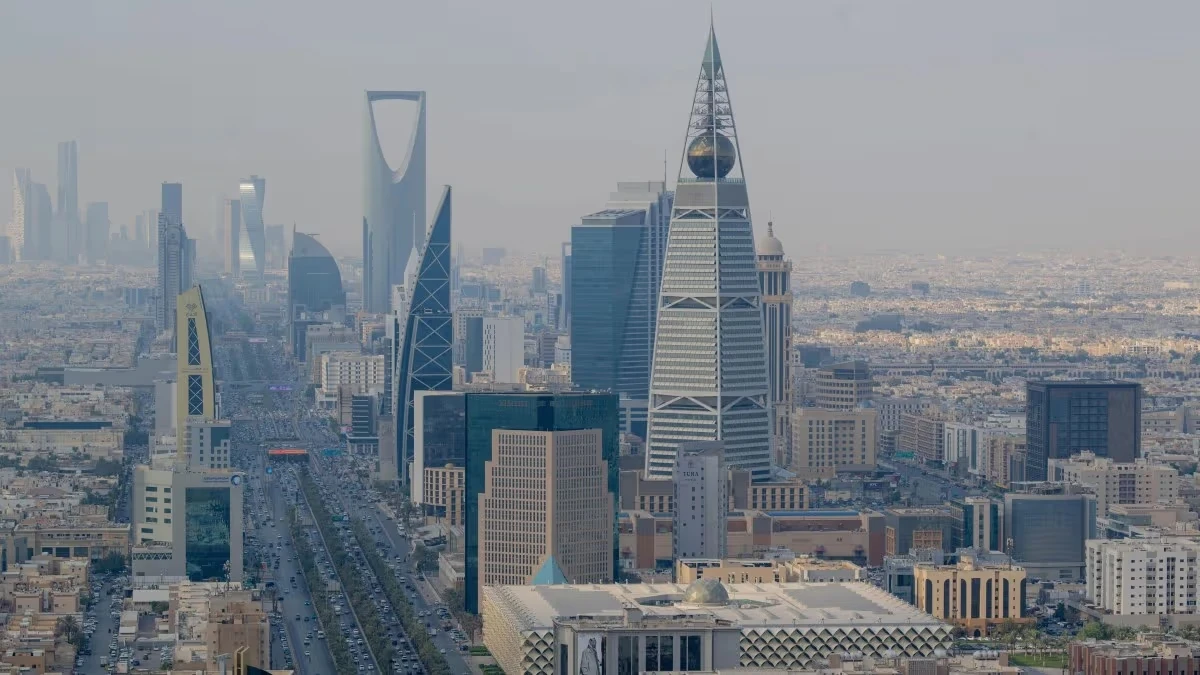
In the Middle East, PMI data signaled the continued strong expansion of Saudi Arabia’s nonoil private sector economy in March.
Growth was supported by improved demand from abroad, with the rate of expansion a joint-series high amid evidence of an improvement in demand from key export exports.
The UAE’s nonoil private sector companies reported a steep rise in output during March, with the pace of expansion accelerating to the highest since data collection began in August 2009.
New order growth also picked up, falling just short of November’s record high.
Meanwhile, employment levels rose further and buying activity increased sharply.
Egypt’s nonoil producing private sector companies reported a fractional rise in output in March, while new order intakes declined for the second time in the past three months.
Employment levels continued to fall, although at the weakest pace in a year-and-a-half.
Meanwhile, companies reduced their output charges, despite an accelerated increase in input costs.
Arab News