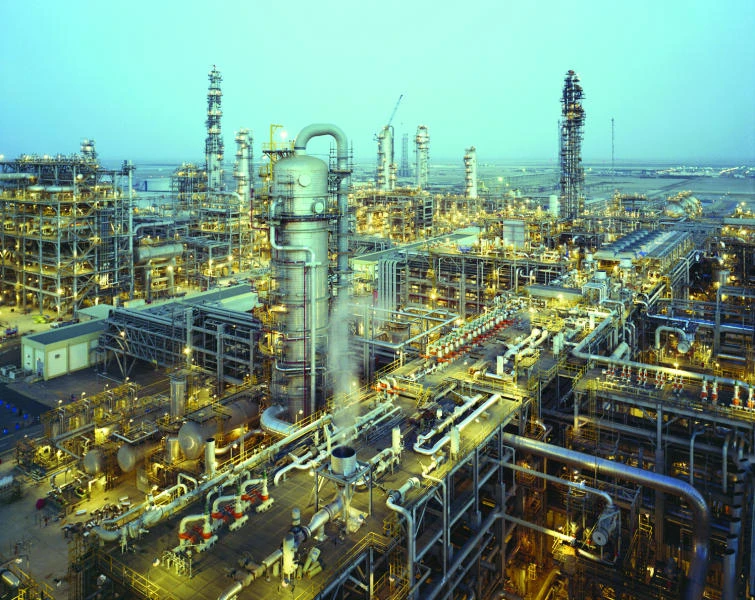
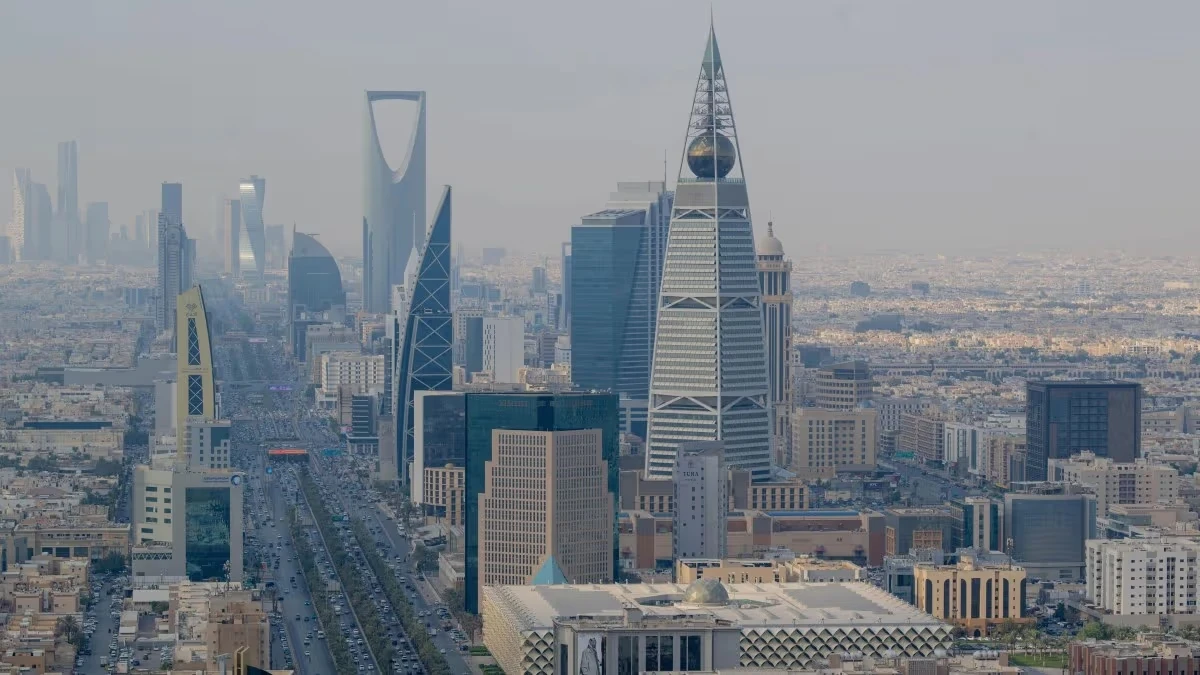
India and Saudi Arabia are all set to move into the next phase of their four-year-old strategic partnership with special focus on enhancing cooperation in the oil sector because of which their bilateral trade has just crossed $50 billion even though the fiscal year 2013-14 still has three weeks remaining.
The two sides are going to go beyond a buyer-seller relationship and change the existing narrative with a special pitch on joint investments and joint projects in the key oil sector. The transition is significant as the United States is set to become the world’s largest oil producer by next year.
The recent India visit by Crown Prince Salman, deputy premier and minister of defense, has opened up newer areas of opportunities which will lead to far more intense India-Saudi Arabia cooperation in the oil sector.
During this visit, the two sides had a significant meeting in New Delhi on Feb. 23 where they discussed several new and concrete proposals to enhance their cooperation in the oil sector under the India-Saudi Arabia Energy Consultations. For example, India invited Saudi participation in upcoming investment opportunities in its petroleum upstream and downstream sector including OPaL’s Petrochemical project at Dahej and OMPL’s Petrochemical project at Mangalore.
The Saudi side made a generous offer for considering equity participation in these projects as a strategic investor. Other proposed investment opportunities such as IOC’s LNG project at Ennore, BPCL’s LNG terminal at Kochi, HPCL’s grass-root refinery in Vizag and IOC’s petrochemical plant at Paradip were also discussed.
Prince Abdul Aziz bin Salman, deputy oil minister, led the Saudi delegation at these talks while the Indian side was led by R. P. N. Singh, minister of state for petroleum and natural gas.
Another concrete that emerged from these talks and would boost the India-Saudi Arabia bilateral trade is that the Indian side also conveyed its growing requirement of LPG (Butane and Propane) considering the accelerated expansion of LPG coverage in Indian rural areas under the Rajiv Gandhi Gramin LPG Vitran Yojana (RGGLVY).
R. P. N. Singh also conveyed India’s requirement of incremental quantities of Saudi Arabian oil imports in the years ahead considering the ongoing expansion in India’s refining capacity. India imports nearly 2 million tons of LPG from Saudi Arabia.
The Saudi side assured affirmative consideration of India’s request for larger quantities of crude oil and LPG while also agreeing to look into the issues raised by India relating to the hydrocarbon trade and investment between the two countries. Saudi Arabia also expressed its readiness to fulfil India’s growing energy requirements on a long-term basis.
The importance of India-Saudi Arabia increasing synergy in the oil sector cannot be overestimated as these are the discussions between a leading producer of crude oil (Saudi Arabia) and the world’s fourth largest oil importer (India). Moreover, the India-Saudi Arabia engagement has come at a time of heightened uncertainty in the international oil markets.
The Indian Ministry of External Affairs has put the India-Saudi Arabia ties in perspective. Saudi Arabia has emerged as India’s largest crude oil supplier. During 2010-11, Saudi Arabia supplied 27 million metric tons of crude oil to India accounting for almost one-fifth of its needs, a figure which is set to see a marked increase in the coming years.
According to the MEA, during the current year, Saudi Arabia is the fifth largest market in the world for Indian exports and is destination of more than 4.18 percent of India’s global exports. From Riyadh’s perspective, Saudi Arabia is the source of 8.01 percent of India’s global imports and India is the fifth largest market for its exports, accounting for 8.3 percent of its global exports. In terms of imports by Saudi Arabia, India ranks seventh and is source of around 3.4 percent of Saudi Arabia’s total imports.
— Rajeev Sharma is a New Delhi-based columnist who tweets @Kishkindha.
Kingdom's ties with India set to be on a higher trajectory in oil sector