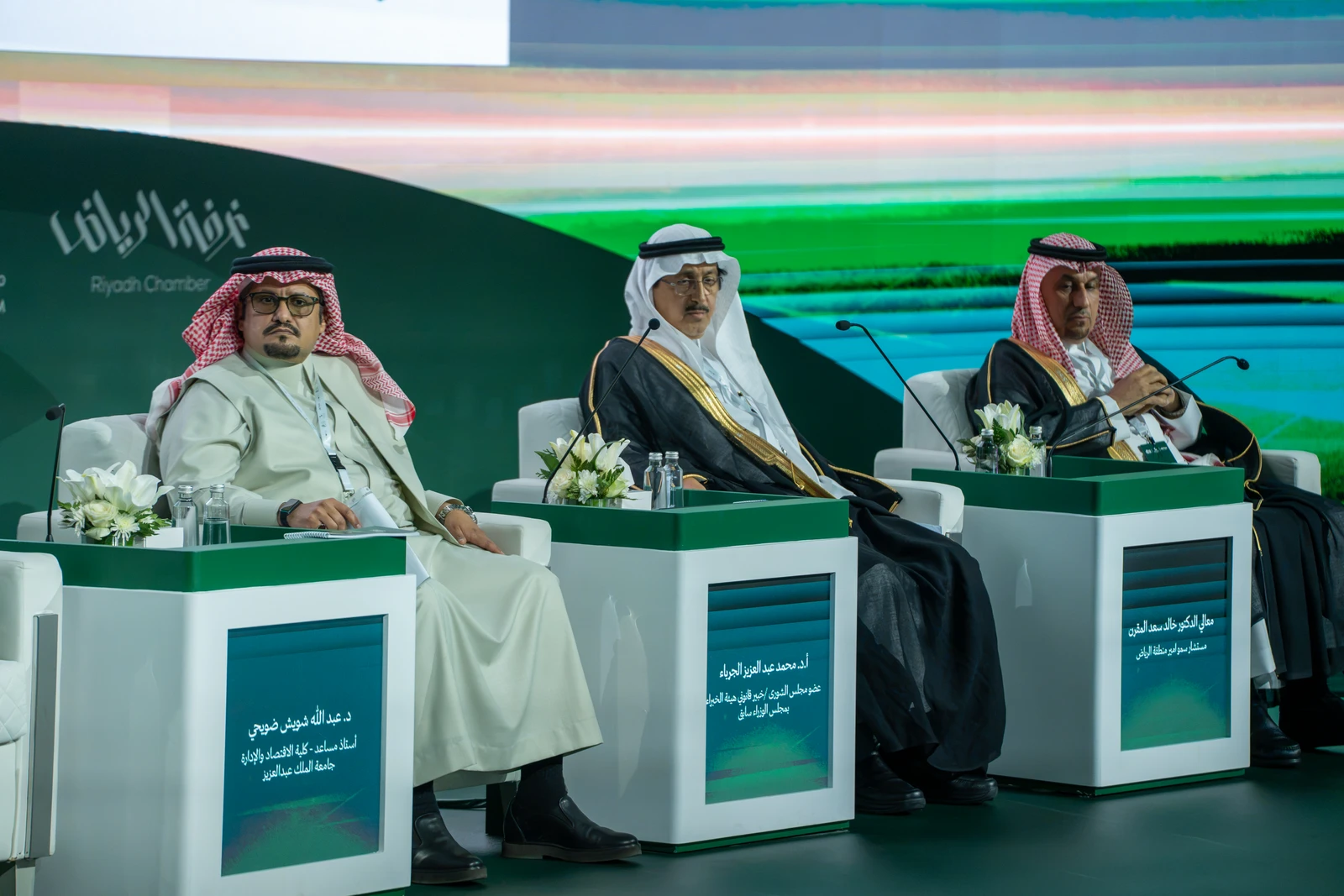
The new budget demonstrates the strength of the Saudi economy to withstand the challenges posed by the global economic crisis, including the sharp drop in the crude prices, says Muhammad Al-Jaffri, deputy chairman of the Shoura Council.
“The government of Custodian of the Two Holy Mosques King Abdullah has spectacularly succeeded in making use of the financial surplus accumulated by the Kingdom, thanks to the high oil prices during the past years, in a strong fiscal reserve after employing the revenues for development in various provinces,” Al-Jaffri said in a statement, commending the new budget.
The general budget for 2015, with an estimated expenditure outlay of SR 860 billion, reflects the soundness of the economic policies of the government, which adopted all necessary measures to fortify the country’s economy against the upheavals of recent times, including the tumbling price of oil, a major source of revenue for the Kingdom, he was quoted as saying in an SPA report.
The budget signified the continuation of the government‘s current policies to spend generously for the development of human resources, which is the foundation for sustainable growth.
The budget also stressed the improvement of the government sector’s performance, and integration of the private and public sectors besides rectification of the anomalies in the job market to generate plenty of job opportunities for the Saudis, he added.
“Allocation of SR 217 billion for the education sector accounting for 25 percent of the total budget reflects the central role assigned to the youth with the aim of establishing an outstanding educational structure to suit the needs of the job market. The budget also stresses advanced health care for the people with the allocation of SR 160 billion to the health sector,” Al-Jaffri said.
“A close examination of the new budget reveals Custodian of Two Holy Mosques King Abdullah’s keenness to promote the careers and welfare of Saudi youths,” he said.
Under royal directives, the development schemes give priority to youth empowerment with a focus on education, employment, social welfare and sports.
Commenting on the budget, Basil Al-Ghalayini, CEO of BMG Financial Group, told Arab News: “After much speculation, the Saudi leadership has ruled out its counter cyclical budget by continuing its expansionary spending irrespective of oil prices. With huge cushion of financial reserves, the government can afford to finance its projected 2015 deficits if not borrowing from the international markets at competitive rates considering its AA rating.”
He added: “Having said that, looking long term, there should be serious concerted efforts to speed up preparing other sectors to be reliable income generating beside oil revenues.”
Al-Ghalayini said: “Considering its unique status as the host of the two holy mosques, a well-managed Islamic tourism could be a sizable and sustainable revenue driver for the economy.”
According to SAMA, surging oil prices over the past decade helped Saudi Arabia boost its net foreign assets to a record SR2.9 trillion in October.
New budget demonstrates strength of KSA economy