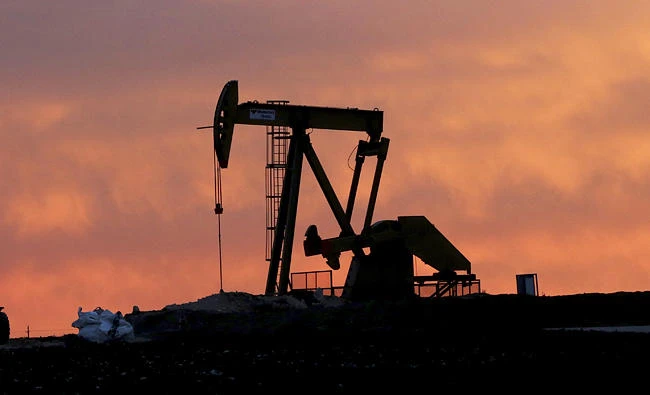
American oil explorers who survived the worst of the 2014-2016 market rout are shrugging off the 14 percent slide in prices this year. That is because many producers have already locked in future returns with financial contracts that guarantee the price of their oil for most of the rest of the decade, Bloomberg said in a report on last Monday. The strategy known as hedging is allowing them to keep producing even if oil prices fell further. The oil price would have to drop to the $30s or lower to dent the bottom line of many drillers now working US shale fields, Katherine Richard, the CEO of Warwick Energy Investment Group, which owns stakes in more than 5,000 oil and natural gas wells, told Bloomberg. Such resilience poses a dilemma for countries that agreed to an OPEC-led production cut aimed at tightening supplies to raise prices and relieve their distressed national economies.
Crude output at the major four US shale plays is forecasted to be around 4.96 million barrels a day in April, the highest since March 2016, according to the EIA monthly Drilling Productivity Report. The Permian output is expected to increase by 79,000 barrels to 2.29 million barrels a day. In Eagle Ford it will go up by 28,000 barrels to reach 1.14 million barrels a day. In Bakken output may fall by 10,000 to 964,000 barrels a day while it is forecast go up in Niobrara by 11,000 to 444,000 barrels a day.
Crude output at the major four US shale plays is forecasted to be around 4.96 million barrels a day in April, the highest since March 2016, according to the EIA monthly Drilling Productivity Report. The Permian output is expected to increase by 79,000 barrels to 2.29 million barrels a day. In Eagle Ford it will go up by 28,000 barrels to reach 1.14 million barrels a day. In Bakken output may fall by 10,000 to 964,000 barrels a day while it is forecast go up in Niobrara by 11,000 to 444,000 barrels a day.