- Lithium is a critical component for batteries used in electric vehicles, consumer electronics, and renewable energy storage, which aligns with the Kingdom's industrial ambitions.
- An agreement between NESR and Saudi Aramco aims to develop a lithium demonstration project valued at approximately $200 million, producing 2,000 tonnes of battery-grade lithium carbonate annually by late 2027.
- The initiative will leverage Saudi Arabia’s abundant reserves of oil, gas, and minerals while focusing on localizing technology and manufacturing capabilities within the Kingdom.
RIYADH: Saudi Arabia can open a new chapter in its energy diversification strategy by turning lithium extracted from oilfield water into battery-grade materials, according to a leading industry CEO.
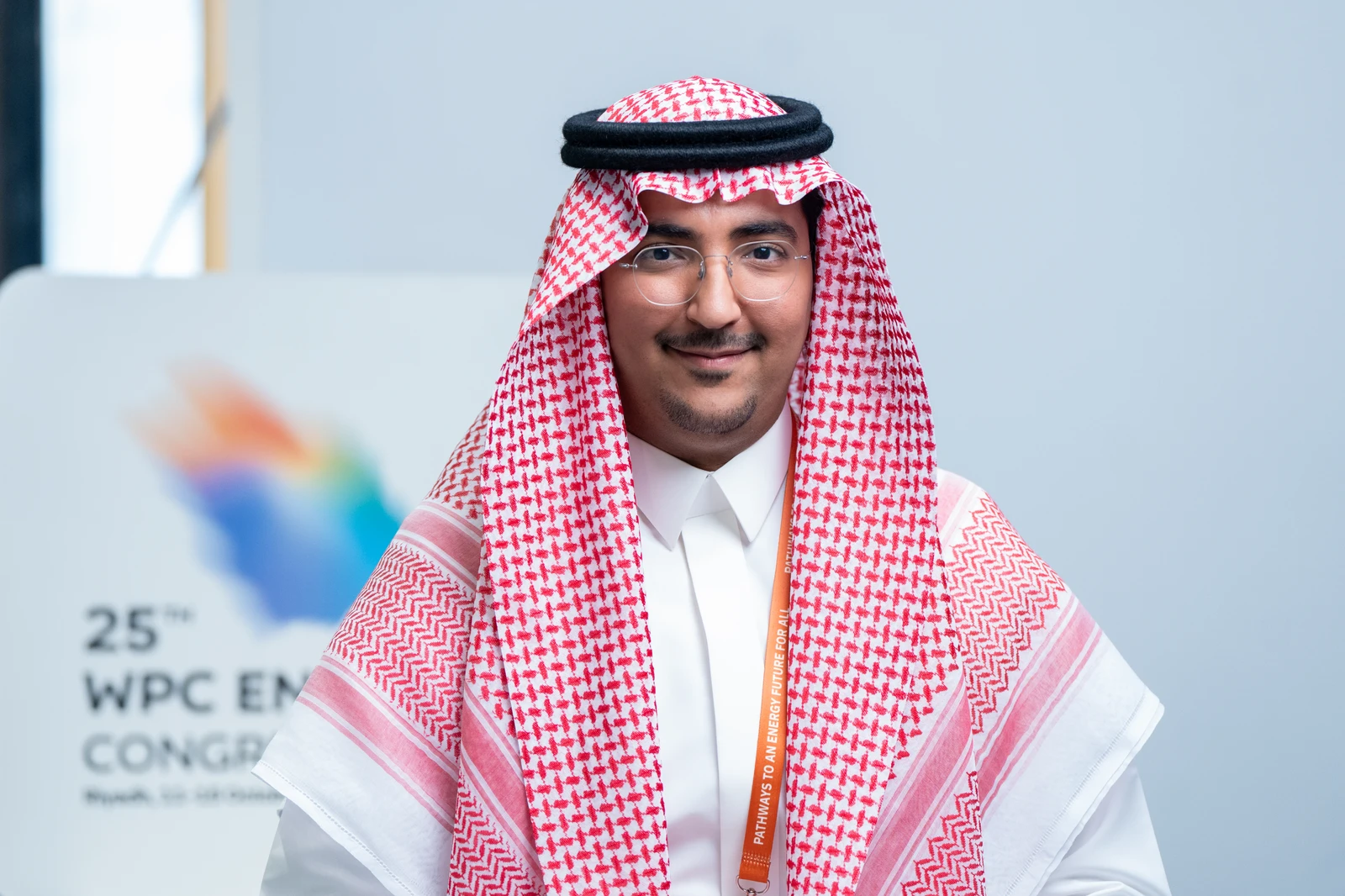
Sherif Foda, chairman and CEO of oilfield services provider National Energy Services Reunited told Arab News such a move would boost domestic manufacturing and appeal to global markets.
Lithium, a key component in batteries used in electric vehicles, consumer electronics and renewable energy storage systems, could support the Kingdom’s ambitions to develop new industries, localise supply chains and generate greater economic value from existing oil and gas operations.
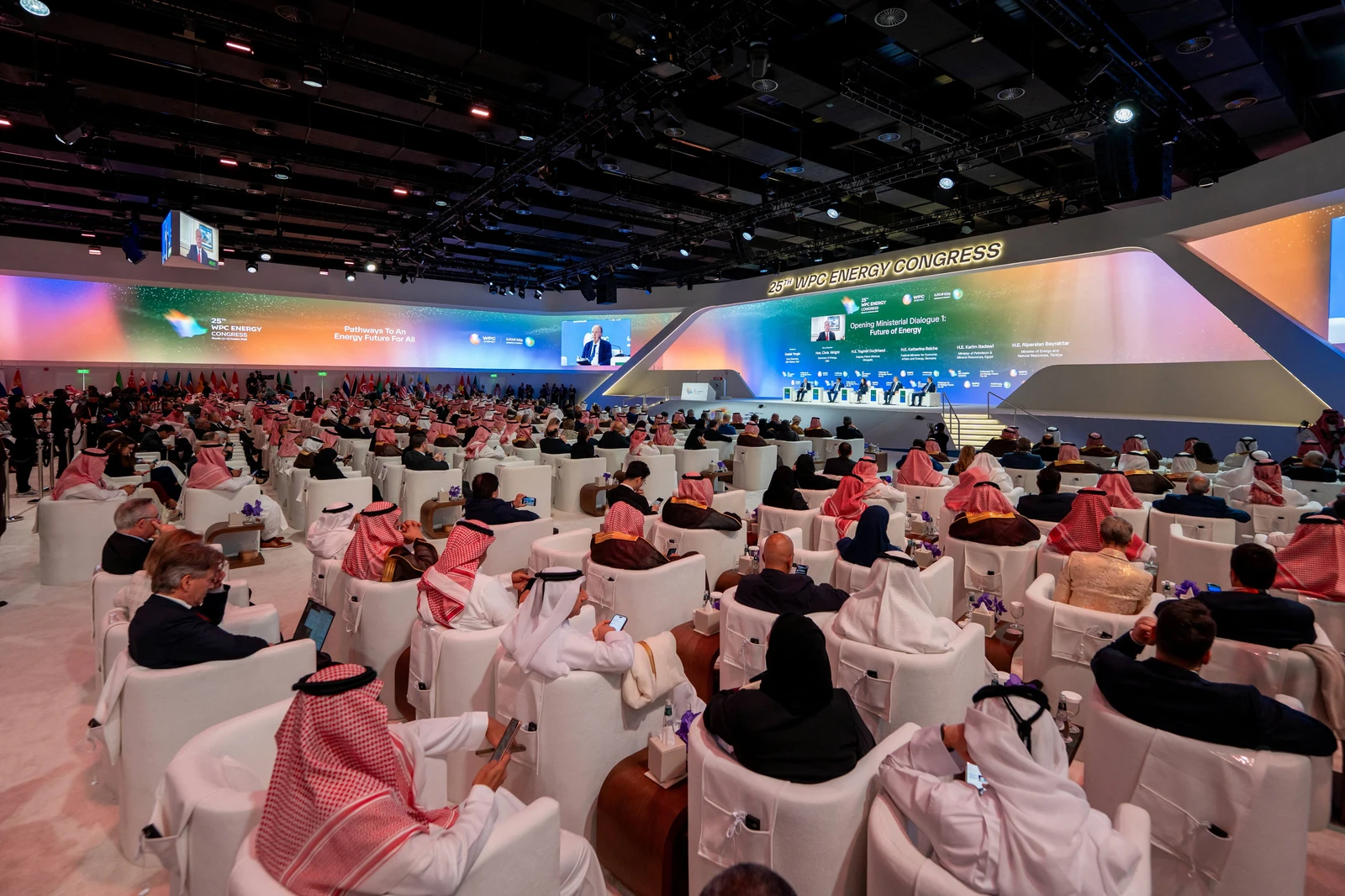
Speaking to Arab News on the sidelines of the 25th WPC Energy Congress in Riyadh, Foda said the Kingdom’s existing energy resources could provide the foundation for developing a domestic lithium industry.
“We have a very rich environment of water that we found, which means that we will be able to extract lithium and be able to produce battery-grade lithium for the Kingdom and for the world,” he said.
“This gives you self-sufficiency, gives you local manufacturing, gives you localisation of the entire value chain. And it’s extremely good for diversity of the whole resource base in the Kingdom.”
Lithium extraction technology
His remarks follow an agreement signed on Oct. 8 between NESR and Saudi Aramco to develop a lithium demonstration project using direct lithium extraction technology.
The project, valued at approximately $200 million over a potential five-year period, aims to produce 2,000 tonnes of battery-grade lithium carbonate annually, with production scheduled to begin in late 2027.
Foda said Saudi Arabia’s reserves of oil, gas, minerals and rare earth elements provide the raw materials needed to establish new industries, while the next priority is bringing the necessary technological expertise and manufacturing capabilities into the Kingdom.
“Usually you import the technology, the know-how, but you localise it,” he said.
“And then if you localise it, you’ll be able to extract it and build everything in-country and then be able to have this battery-grade lithium in the country.”
He said strengthening domestic manufacturing would also reduce exposure to disruptions in international supply chains, particularly during periods of regional instability.
“If you can source all your products, and 70 to 80 percent of it locally, commercially viable, that gives you fantastic resilience,” he said.
“You’re not depending on shipping, for example, to bring those products from outside. So even if you have a problem, you still can manage within the Kingdom until you have access to external.”
Aramco leading the way
Foda stressed that localisation must remain economically sustainable, pointing to progress achieved through Aramco’s In-Kingdom Total Value Add programme over the past decade.
“They looked at this in a very smart way compared to many other countries: how to attract people to manufacture in the country, but it’s commercially viable,” he said.
“It cannot be manufactured in the country, and then it’s extremely expensive. Then it’s not going to last because it’s commercially not viable.”
He cited industrial sand and chemical processing as examples of activities that companies have increasingly sought to localise, including adapting specifications to materials available within the Kingdom.
“Some of the products, you don’t have it as a feedstock. Okay, so let’s bring some of the products. But 90 percent of the process to make that chemical, like surfactant, why don’t you blend it outside and bring it? No, blend it here.”
Looking ahead to 2030, Foda said the priority should be expanding commercially viable domestic production while continuing to source highly specialised materials internationally when necessary.
“You look at the priority based on commerciality and based on how many pieces of the products you can manufacture or make in Saudi Arabia. And that gets the most priority,” he said.
“So 80 percent, if you can make it now, let’s get it done,” he added, pointing to further opportunities to strengthen the Kingdom’s industrial resilience.