VIENNA: Saudi Arabia has expressed confidence that oil prices will keep recovering, cementing expectations that a divided OPEC will decide to keep crude gushing at its meeting in Vienna.
“Everybody is very satisfied with the market. The market is rebalancing as we speak,” said Energy, Industry and Mineral Resources Minister Khaled Al-Falih.
“Demand is extremely healthy and robust. Non-OPEC supply is declining. Prices will respond to the rebalancing of the market,” Al-Falih said.
Traditionally the Organization of the Petroleum Exporting Countries, which pumps around a third of the world’s oil, has cut production to boost falling prices.
But in the most recent drop, which has seen oil tumble from over $100 in 2014 to close to $25 in January, OPEC has changed tack, keeping oil flowing to maintain market share and squeeze competitors.
It has taken some time but the tactic now appears to be working at last.
Non-OPEC output is falling and prices last week briefly rose above $50 for the first time in six months, although they have softened slightly since.
In morning trade in London on Thursday, both main contracts for oil — West Texas Intermediate and Brent Crude — were little changed, on $49.01 and $49.83 respectively.
A group production target of 30 million barrels per day — in any case flouted, currently around 32 million bpd — was abandoned at OPEC’s last meeting in December.
Since Iran’s 2015 nuclear deal entered into force in January and sanctions were lifted, Tehran has aggressively ramped up output, and is unwilling to stop now.
“A doubling of exports of Iranian oil has had no negative impact on the market and has been absorbed well,” Iranian Oil Minister Bijan Zanganeh said Wednesday.
On Thursday he said that setting a collective OPEC ceiling on output “means nothing” without agreeing production quotas for members.
Other members including Venezuela, Algeria and Iraq indicated openness Thursday to such individual limits.
“We propose a system of supply-production range, allocating a production range with minimum and maximum limits,” Venezuela’s Oil Minister Eulogio del Pino said. Al-Falih said only that this was an option.
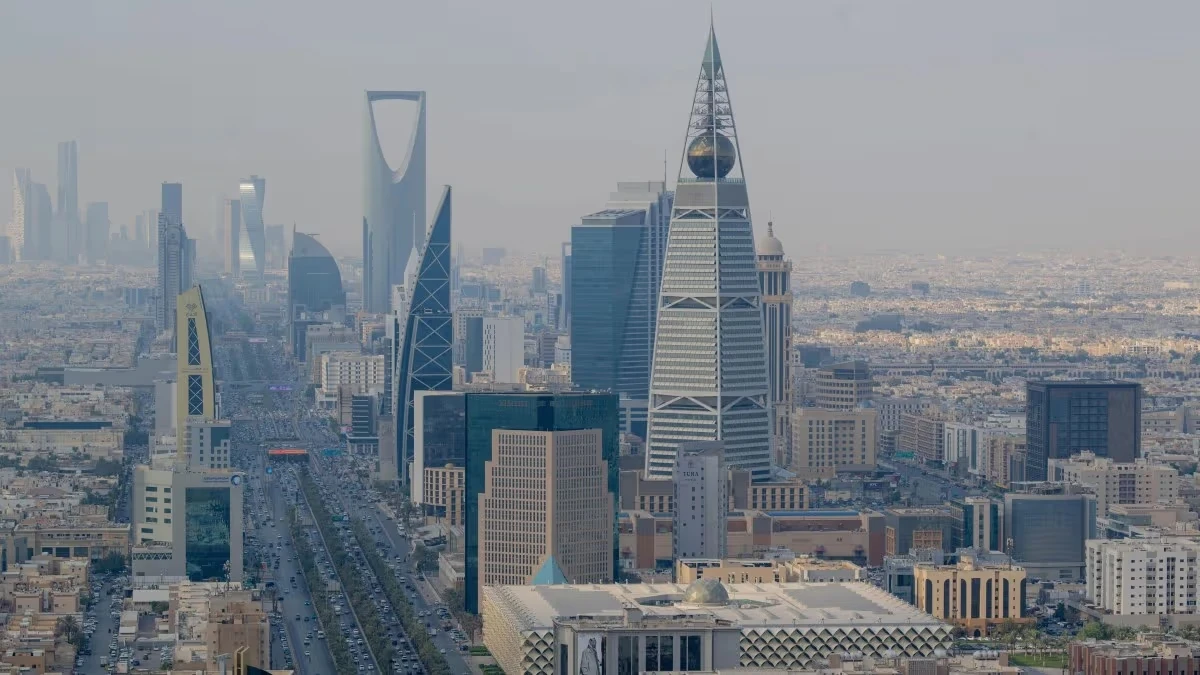
Saudi Arabia;s “2030 Vision” includes a partial floatation of Saudi Aramco and creating a gargantuan sovereign wealth fund. This week it pumped $3.5 billion into Uber.
“The market is doing quite well by itself. We will be very gentle in our approach and make sure we don’t shock the market,” Al-Falih said.
One thing which could perhaps smooth the waters would be the appointment Thursday of a new OPEC secretary general to replace Libyan Abdalla El-Badri.
Candidates reportedly include Ali Rodriguez Araque of Venezuela, Nigeria’s Mohammed Barkindo and Mahendra Siregar of Indonesia.