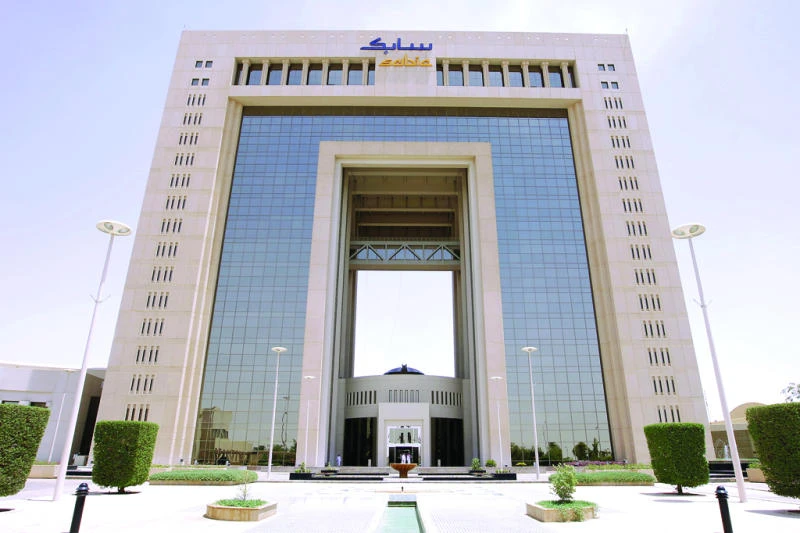
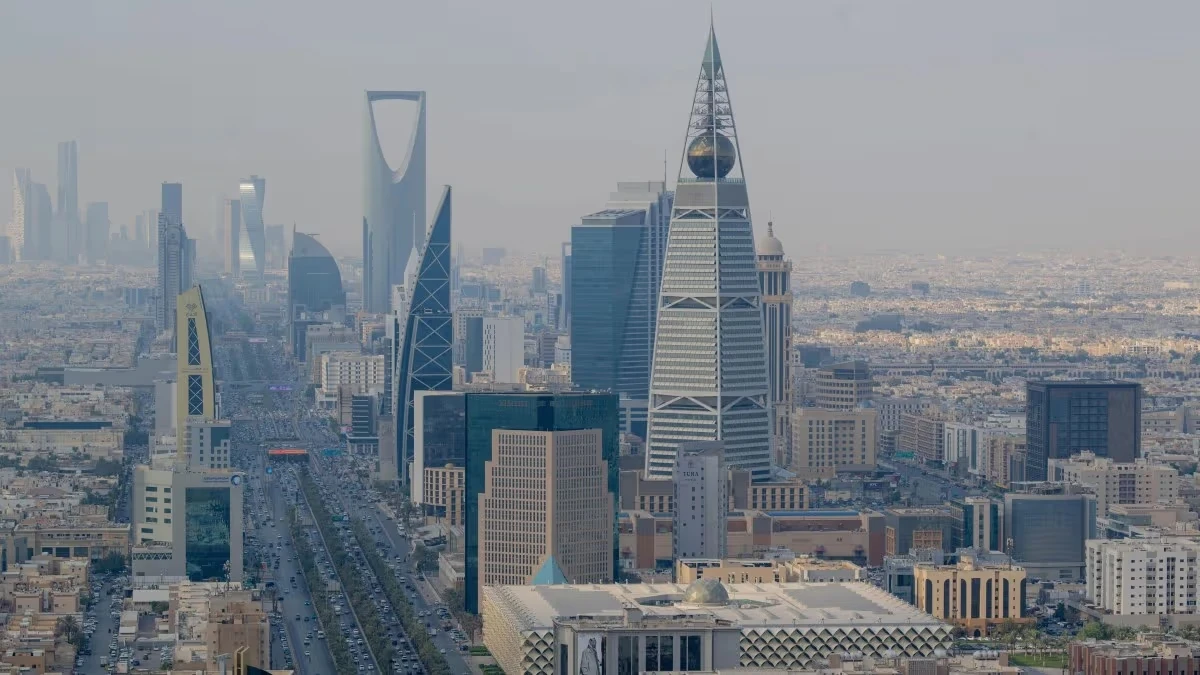
JEDDAH: Saudi Arabia's Tadawul All-Share Index fell 0.5 percent on Tuesday as petrochemical firm Saudi Basic Industries lost 1.9 percent.
Egypt's stock market continued to slide, weighed down by foreign exchange worries, while Gulf bourses fell moderately after oil prices plunged.
The Cairo index, which has been in a downtrend for over a month and tumbled 4.2 percent on Monday, sank a further 1.5 percent to 7,753 points.
It had broken on Monday below major technical support between 8,125 and 8,261 points, the December and May lows. That triggered a bearish right triangle formed by the highs and lows since mid-December and pointing down to around 6,800 points in the longer term.
The market has been hit by foreign exchange and energy shortages, and a central bank decision to let the Egyptian pound resume depreciating last week.
On Tuesday, the central bank held the pound steady at 7.73 to the US dollar at its foreign exchange auction, in an apparent attempt to reassure the market. But the pound continued weakening in the black market, suggesting investors think more depreciation is only a matter of time.
Property firm Emaar Misr fell 2.8 percent to 3.45 Egyptian pounds, though turnover shrank considerably from the past levels of the past two days.
The stock has plummeted after listing on Sunday at an initial public offer price of 3.80 pounds, and investor willingness to bail out of Emaar Misr even at a loss has hurt sentiment in the market. Before the listing, analysts had estimated fair value for the stock at around 4.70 pounds.
Palm Hills Development, another major property stock, dropped 1.6 percent. Telecom Egypt sank by the same amount.
Arab Cotton Ginning dropped 2.5 percent after the government said it was halting all cotton imports in a bid to assist production and marketing of the local crop. The chairman of the Egyptian Chamber of Textile Industries said the textiles sector would be hurt by the lack of cheap cotton imports.
Brent crude oil dived more than 6 percent on Monday to around $56 a barrel, pressured by the Greek debt crisis and volatility in China's stock markets, before recovering slightly to around $57 on Tuesday.
Oil's latest slide is so steep that it may call into question investors' hopes for a gradual recovery of crude prices later this year, and raise the possibility of Gulf governments adopting additional spending restraints.
But in contrast to the stock price plunges triggered by oil price slides late last year and early this year, Gulf stock markets fell only moderately on Tuesday, suggesting retail investors have become convinced regional economies can grow despite cheap oil.
The 25-day correlation between Brent crude and Dubai's stock index has stayed below 0.3 for most of the time since the start of the June. The correlation with the Saudi stock index has been higher because of heavily weighted Saudi petrochemical shares, but it is still only just above 0.3.
Dubai's index dropped 0.4 percent to 4,041 points as Emaar Properties slipped 0.9 percent and construction firm Drake & Scull declined 2.3 percent. But Amlak Finance, a favourite of local retail investors seeking short-term profits, was the most heavily traded stock in Dubai and rose 0.8 percent.
Petchem stocks send Tadawul down