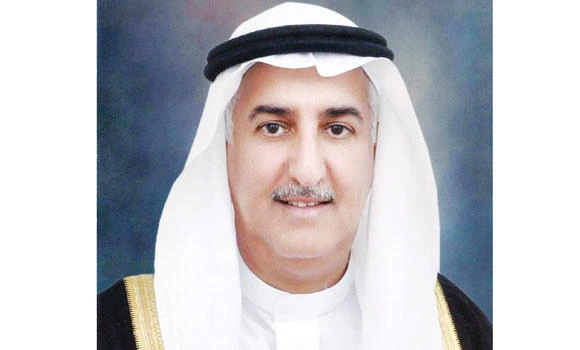
RIYADH: Saudi Arabian commercial banks are in good health and easily meet international standards for capital adequacy, Saudi Arabian Monetary Agency Gov. Fahad Al-Mubarak said on Tuesday.
Their combined capital adequacy ratio was 17.8 percent at the end of the second quarter this year, well above the 8 percent minimum specified by Basel standards, Al-Mubarak said in a speech to mark the country's National Day.
"In addition, stress tests that the Saudi Arabian Monetary Agency conducts regularly on commercial banks showed good results."
Al-Mubarak also indicated that the central bank would continue a cautious monetary policy emphasizing stability.
“Our balanced monetary policy helped boost the stability of national economy through unrest and global turmoil, helping to raise the Kingdom’s credit rating,” he said.
In March, Fitch Ratings upgraded the Kingdom’s long-term foreign and local currency credit ratings to AA from AA-minus, citing strong state spending and the government’s steps to address unemployment and a shortage of affordable housing.
SAMA recently published new consumer lending regulations which give it the power to cap retail lending at individual banks and limit the fees that banks can charge.
Saudi banks’ combined consumer loan book stood at 333.8 billion riyals ($89 billion) at the end of March, up 8.6 percent year-on-year. That was 28.7 percent of all their lending.
The regulations, published on the Saudi Arabian Monetary Agency’s website, state: “SAMA may, at its discretion, impose a restriction on a creditor under which its consumer financing portfolio may not exceed a specified percentage of its total financing portfolio.”
SAMA chief: Kingdom’s banks in strong health