RIYADH: Saudi Arabia is working to finalize the rules for a new stock market dedicated to small and medium-sized businesses that it expects to launch early in 2017, the CEO of Tadawul,said.
Tadawul announced last month that it planned to open the new exchange next year in a bid to improve access to capital and encourage better corporate governance.
Saudi Arabia’s economy is dominated by family businesses, many of whom have been reluctant to go public in the past, preferring to keep control limited to a small group of relatives.
“The final fine-tuning of these criteria are being worked out today with related parties,” Khalid Al-Hussan said on the sidelines of a finance event.
The government has not said if the new exchange will include companies already traded on the existing bourse. Small-cap firms are among the most heavily traded on the Saudi exchange as they are targeted by retail investors aiming to make a quick profit.
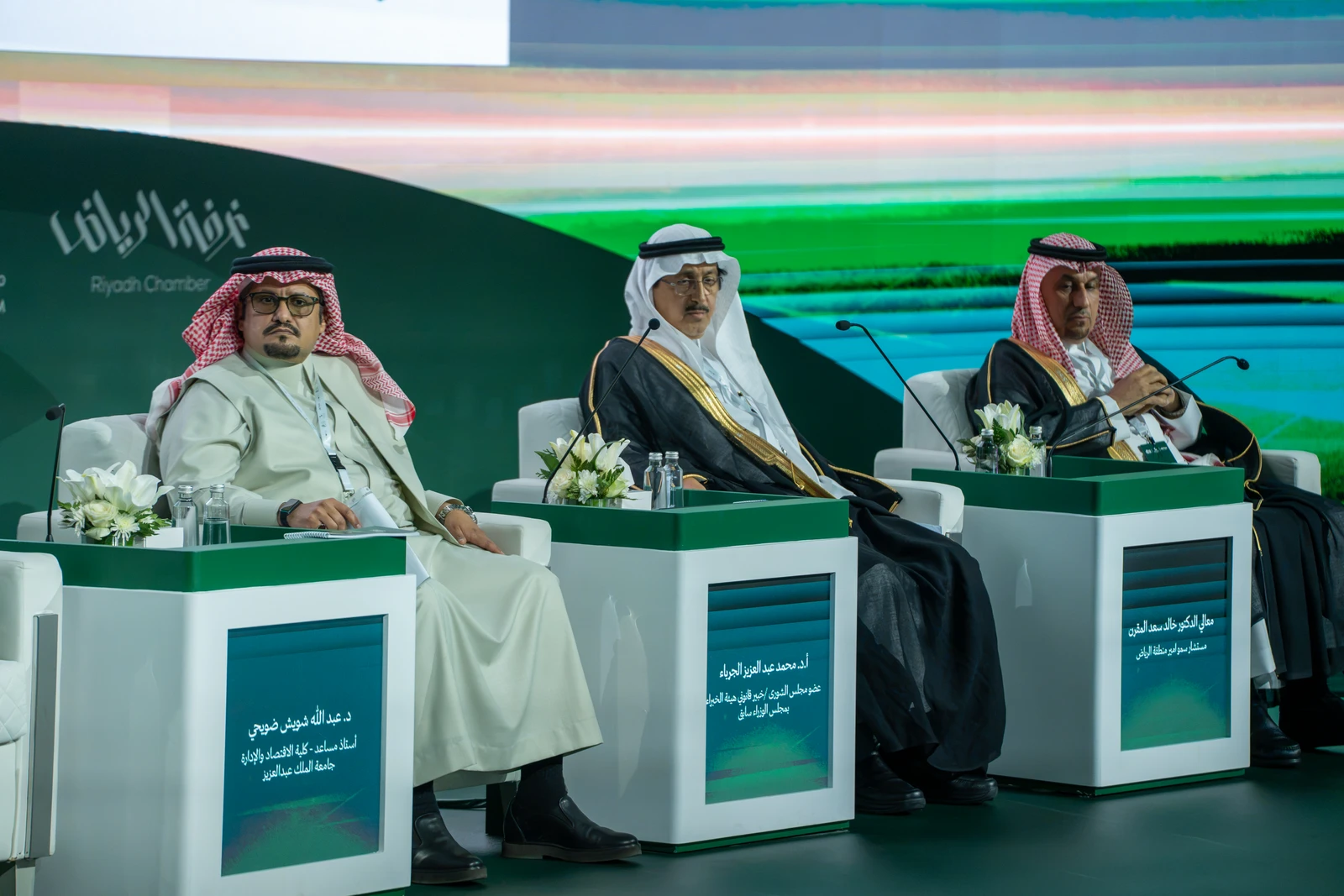
Saudi Capital Market Authority Chairman Mohammed Al-Jadaan told the same conference that there would be certain restrictions in place to ensure only investors who understood the risks could buy into the SME market.
While international institutions have been allowed to invest in Saudi Arabia since the middle of last year, trading on the kingdom’s stock market is still dominated by local retail investors.
Al-Jadaan said the new SME exchange would likely have a lower minimum capital requirement for companies than Tadawul, adding it could be in “single digits” as opposed to Tadawul’s 100 million riyals ($27 million) baseline.
Reduced disclosure requirements would also likely be part of the SME market, Al-Jadaan added.
Saudi Arabia has also announced a string of reforms to its stock market that could attract billions of dollars of fresh foreign money.
Each foreign institutional investor will be allowed to own directly a stake of just under 10 percent of a single listed company, up from a previous ceiling of 5 percent, the Capital Market Authority announced.
Other restrictions were scrapped, including a ceiling of 10 percent on combined ownership by foreign institutions of the market’s entire capitalization. All foreign investors combined will still be limited to owning 49 percent of any single firm.
To qualify as a foreign institutional investor in Saudi Arabia, each asset manager will only need to have a minimum of $1 billion of assets under management globally, instead of $5 billion. The CMA said it would now accept investments by new types of foreign institution including sovereign wealth funds and university endowments.
The regulator also said it had approved the introduction of securities lending and covered short-selling to the stock market, which would give investors more options to hedge their purchases against market downturns.
Tadawul announced last month that it planned to open the new exchange next year in a bid to improve access to capital and encourage better corporate governance.
Saudi Arabia’s economy is dominated by family businesses, many of whom have been reluctant to go public in the past, preferring to keep control limited to a small group of relatives.
“The final fine-tuning of these criteria are being worked out today with related parties,” Khalid Al-Hussan said on the sidelines of a finance event.
The government has not said if the new exchange will include companies already traded on the existing bourse. Small-cap firms are among the most heavily traded on the Saudi exchange as they are targeted by retail investors aiming to make a quick profit.
Saudi Capital Market Authority Chairman Mohammed Al-Jadaan told the same conference that there would be certain restrictions in place to ensure only investors who understood the risks could buy into the SME market.
While international institutions have been allowed to invest in Saudi Arabia since the middle of last year, trading on the kingdom’s stock market is still dominated by local retail investors.
Al-Jadaan said the new SME exchange would likely have a lower minimum capital requirement for companies than Tadawul, adding it could be in “single digits” as opposed to Tadawul’s 100 million riyals ($27 million) baseline.
Reduced disclosure requirements would also likely be part of the SME market, Al-Jadaan added.
Saudi Arabia has also announced a string of reforms to its stock market that could attract billions of dollars of fresh foreign money.
Each foreign institutional investor will be allowed to own directly a stake of just under 10 percent of a single listed company, up from a previous ceiling of 5 percent, the Capital Market Authority announced.
Other restrictions were scrapped, including a ceiling of 10 percent on combined ownership by foreign institutions of the market’s entire capitalization. All foreign investors combined will still be limited to owning 49 percent of any single firm.
To qualify as a foreign institutional investor in Saudi Arabia, each asset manager will only need to have a minimum of $1 billion of assets under management globally, instead of $5 billion. The CMA said it would now accept investments by new types of foreign institution including sovereign wealth funds and university endowments.
The regulator also said it had approved the introduction of securities lending and covered short-selling to the stock market, which would give investors more options to hedge their purchases against market downturns.