The opening of Saudi Arabia’s stock market to qualified foreign investors this week marks a historic occasion.
Lured by the prospect of accessing some of the world’s fastest-growing companies in the Middle East’s biggest economy, this long-awaited move has put the Kingdom firmly in the sights of asset managers all around the globe.
Saudi Arabia’s appeal is easy to see. The Tadawul market’s depth and diversification makes it an attractive destination for institutional investors with an eye for frontier markets.
While initial access to the Tadawul will be reserved to Qualified Foreign Investors that hold a minimum of $5 billion under management, the significance of this event and the opportunity it presents for Saudi to further modernise its capital markets cannot be overstated.
For Saudi Arabia, it stands to benefit enormously from the industry know-how and fiscal discipline that an international investor base brings. The millions of dollars expected in foreign cash inflows will also help the Kingdom diversify its still largely oil-dependent economy, providing further support and capital for the private sector.
The removal of barriers for qualified foreign investors in its stock market can be viewed as another step in the gradual liberalisation of the Kingdom’s financial markets, consistent with its G-20 membership. It stands to reason then that if Saudi Arabia is comfortable opening up its $550 billion equity market to international participants, then why wouldn’t authorities consider the same transition for its Islamic bond, or sukuk, market?
By allowing foreigners access to its financial markets, Saudi Arabia is sending a clear signal to the global investment community that it is also ready to embrace the responsibility that comes with operating a truly global market. Good corporate governance, financial disclosure and transparency are essential.
Saudi Arabia’s Capital Market Authority has made great strides in recent times in helping reassure investors that the Kingdom is indeed a reliable place to do business. By rigorously enforcing its securities laws, the regulator has shown a firm commitment to ensuring a high level of corporate governance and transparency is followed at local firms.
Standard & Poor’s also has a role to play in raising standards for corporate disclosure in Saudi Arabia. By encouraging more stock market-listed firms to pursue a credit rating, international investors can take comfort from the independent assessment of a company’s financial standing, capability of management to deliver financial projections and good corporate governance.
Because international institutions demand a higher degree of disclosure and transparency in accounting standards, a credit rating is often regarded as one important element of the investment decision process in markets they are less familiar with. In some cases, companies may seek a rating before undertaking an IPO in order to strengthen their investment case.
With only 15 percent of the 170 companies listed on the Tadawul currently having a credit rating, and the number of listed stocks forecast to rise to as many as 300 by 2020, the demand for greater transparency and governance by international investors will only grow.
By allowing large institutions to invest in one of the last major bourses to have remained off limits to international investors, Saudi Arabia is taking an important step into the future. While the inflow of capital associated with this may prove substantial, the opportunity to develop and promote good corporate governance shouldn’t be ignored.
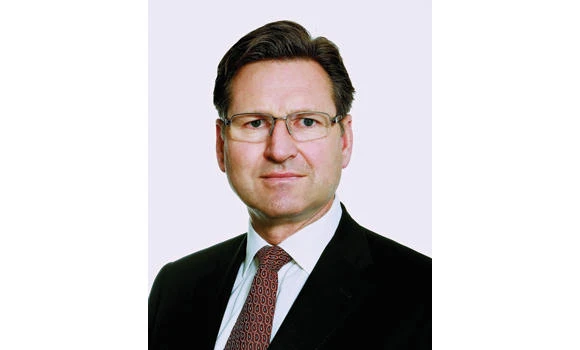
— Stuart Anderson is managing director & regional head at Standard & Poor’s Middle East.
Saudi Arabia’s big opportunity