ISTANBUL: Ratings agency Standard & Poor's said on Thursday it expected uncertainty to persist in
Turkey over the next few months after an inconclusive election and, in the event of snap polls, to intensify by year-end and potentially hinder growth.
Turkish voters in a June 7 general election deprived the ruling AK Party, in power since 2002, of a majority, and it will now seek a coalition partner. If a coalition cannot be formed, Turkey may face an early election.
"We do believe that uncertainty will likely persist over the next few months," S&P said in an e-mailed note on the credit implications of the parliamentary vote.
If no coalition is formed and Turkey heads to the polls again, "we believe political uncertainty would remain heightened until the end of the year, which could potentially hamper growth if business investments are postponed", it said.
S&P said it could consider a Turkish downgrade if developments such as lira volatility, consumer confidence and inflation were to weaken fiscal performance and debt metrics were to deviate from current expectations.
The ratings agency had said the day after the election that it had no immediate impact on its BB+ sovereign credit ratings on the country.
Concerns about stability have weighed on markets, with the lira currency having lost more than 2 percent of its value against the dollar since the vote failed to give any party enough parliamentary seats to form a government on its own.
On Thursday, assets were buoyed by a signal from the Federal Reserve overnight that US interest rates would rise more slowly than markets had expected.
The lira eased 0.16 percent to 2.7125 by 0932 GMT. The benchmark two-year government bond yield traded at 10.1 percent, while the 10-year government bond yield was unchanged at 9.74
percent on Wednesday.
The main stock index rose 1.06 percent to 81,587.76 points, outperforming the emerging market index, which rose 0.71 percent.
S&P also said in Thursday's note that the election outcome could reduce pressure on the judiciary, the financial regulator and central bank, and therefore could potentially improve policy predictability.
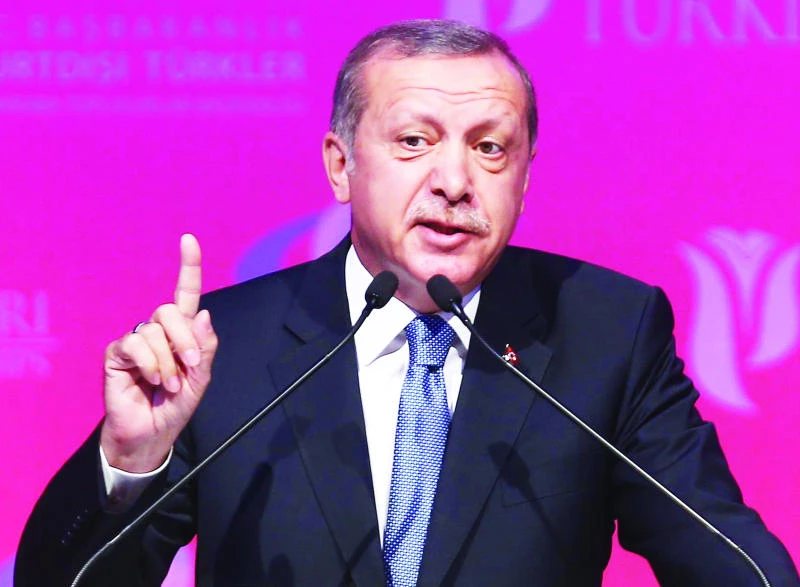
The AK Party government and President Tayyip Erdogan were accused of undermining independence at those state institutions in public remarks and in legislative changes.
S&P says uncertainty in Turkey likely to persist