- News reports say prosecutor seeks indictment over alleged failure to act on ammonium nitrate warning
- Constitutional provisions likely to determine how any potential prosecution of Lebanon’s former president can proceed
BEIRUT: The former Lebanese president, Michel Aoun, filed a complaint on Wednesday with the Cassation Public Prosecutor’s Office, following news reports on Tuesday that a prosecution memorandum sought his indictment over the devastating explosion at Beirut’s port in August 2020.
Aoun’s lawyer, Wadih Akl, said the complaint targeted “unknown persons and anyone identified by the investigation” for crimes including defamation, slander, fabrication, disparagement, disclosure of investigative secrecy and spreading falsehoods.
AFP news agency reported on Tuesday, citing an unnamed judicial official, that a prosecutor had asked investigative judge Tarek Bitar to charge Aoun, alleging that he knew about the ammonium nitrate at the port and its dangers but failed to take the necessary precautionary measures.
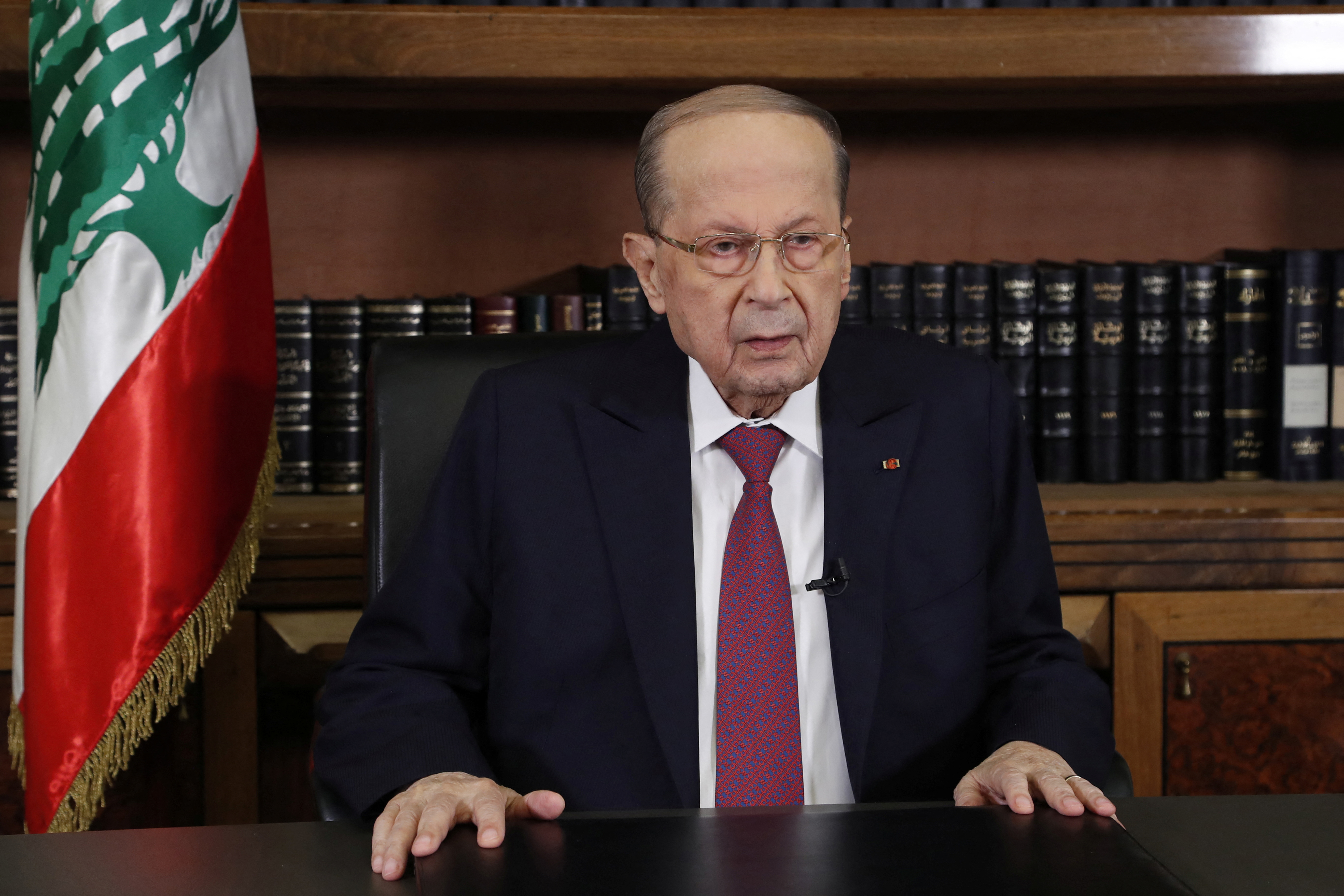
However, a judicial source who spoke to Arab News disputed that account, saying the memorandum discussed Aoun’s knowledge and alleged failure to act without requesting that he be charged.
In his complaint, Aoun described the reported allegations as “rumors under the cover of judicial leaks, an attempt to distort facts, obscure the real perpetrators, and manufacture a media conviction outside the judiciary.”
Akl, his lawyer, said: “When he faced the port explosion, Aoun was president of the republic and guardian of the constitution, committed to revealing the full truth and holding accountable anyone whose responsibility is proven.”
More than six years after the explosion, the long-stalled judicial investigation has entered a further procedural stage. On Tuesday, Judge Mohammad Saab, an advocate general at the Court of Cassation, submitted a 270-page legal memorandum to Bitar, setting out the prosecution’s assessment of the investigation.
Bitar completed his investigative work and referred the file to the prosecution for its opinion on March 30. The case concerns about 70 defendants, according to Legal Action Worldwide, which represents blast survivors and victims’ families. The prosecution’s memorandum is a step toward Bitar’s decision on indictment, rather than an indictment in itself.
The differing accounts of the memorandum leave a distinction unresolved: whether it expressly requests Aoun’s indictment or discusses his alleged responsibility without seeking charges. Although there is some overlap between an indictment and formal charges, an indictment simply reflects an assessment that enough evidence exists to move a case forward.
The judicial source who spoke to Arab News said the constitutional provisions governing presidential accountability would determine how any action against Aoun could proceed.
“The president of the republic cannot be prosecuted before the ordinary judiciary,” the source said. “Therefore, neither the investigative judge nor the Cassation Public Prosecutor can charge him, because a president, whether still in office or a former president, can only be tried before the Supreme Council (tasked with) trying presidents and ministers, and only (after) a parliamentary vote (to do so).”
Article 60 of the Lebanese Constitution states that the president is not liable for acts performed as part of his official duties, except in cases of constitutional violations or high treason, while his liability for ordinary crimes outside of his official duties is subject to general laws.
It also states that a president can be charged — for ordinary crimes, constitutional violations or high treason — by a two-thirds majority of all members of parliament, after which he must be tried before the Supreme Council.
Article 60 does not expressly address former presidents, however. Its application to proceedings brought after a president leaves office, over alleged acts or omissions during his presidency, requires legal interpretation. The source’s account reflects the view that the special constitutional procedures would apply to Aoun in this case.
“The public prosecutor’s memorandum submitted to Judge Bitar is not binding on him,” the judicial source said. “If Bitar wants to charge President Michel Aoun with responsibility, he must refer the file to parliament through the Cassation Public Prosecutor’s Office.”
The source added that Bitar had not yet issued charges against Aoun and described presidential accountability as a special case under the Constitution.
“Judge Bitar knows that,” the source said. “The public prosecutor’s memorandum merely noted that Aoun knew about the ammonium nitrate and did not act.”
Cecile Roukoz, a lawyer representing the families of the victims of the port explosion, expressed a similar interpretation of the constitutional requirements.
She told Arab News: “According to the constitution, Judge Bitar cannot charge President Michel Aoun. Even if the legal memorandum had requested that the former president be charged, the judiciary cannot do so because there is a complex mechanism that refers the case to parliament.
“In previous years, information circulated during the investigations that Aoun knew about the explosives and did not act.”
She recalled that Aoun had expressed willingness to be questioned by Bitar while still president. Whether a person can give testimony is, however, a separate question from the procedure required to prosecute them.
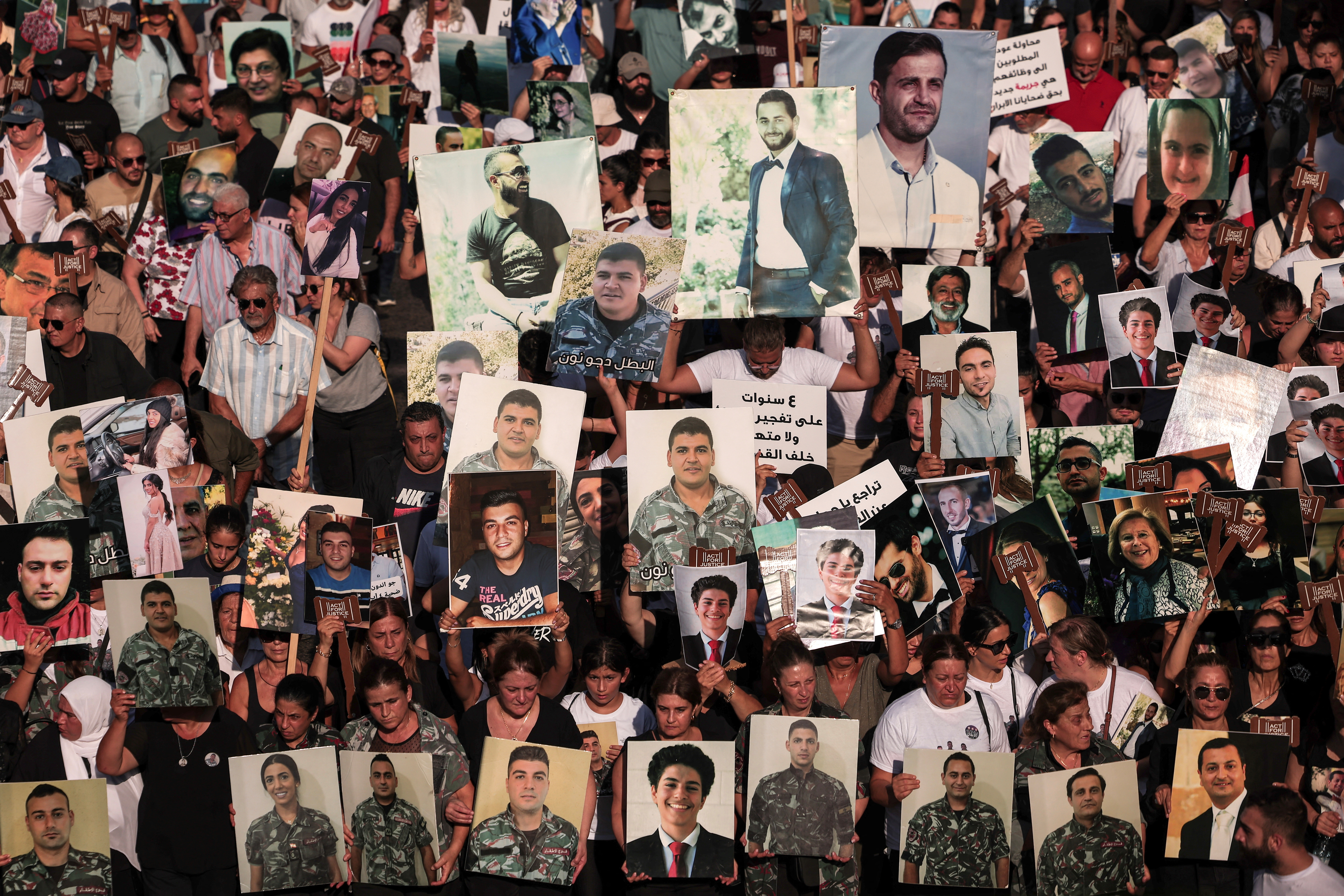
The victims’ families preferred not to issue a public statement on the prosecutor’s report, Roukoz said.
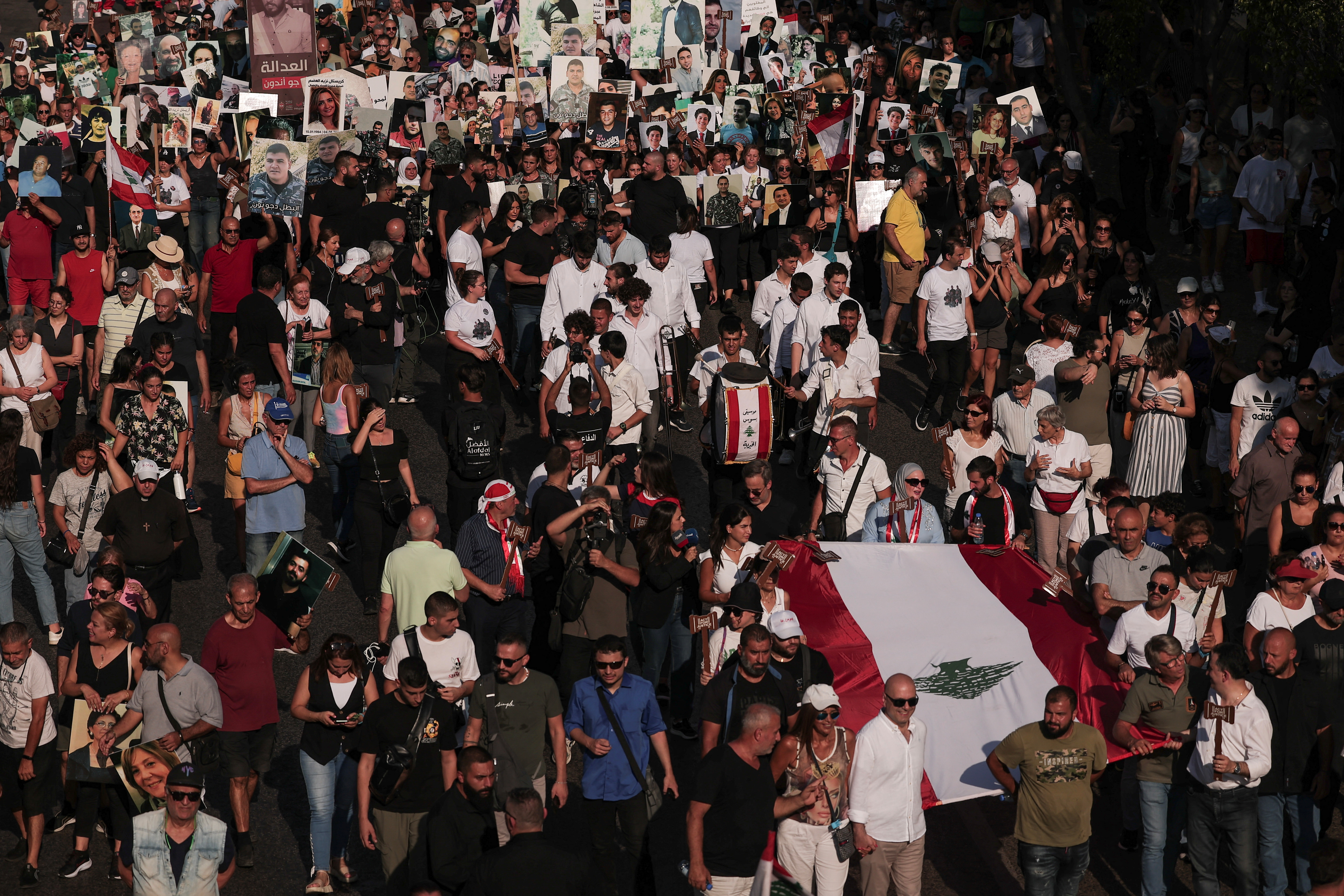
“They are waiting for the indictment decision and will express their views once it is issued,” she added.
“We have not read the public prosecutor’s legal memorandum, but as someone close to the file I expect the indictment decision to be issued within a month, at most.”
That timetable represents her expectation rather than any announced judicial deadline. Roukoz said arrest warrants would accompany Bitar’s indictment decision. Article 364 of the Criminal Procedure Code provides for the investigator to issue an arrest warrant against a person indicted and referred to the Judicial Council. The scope of Bitar’s jurisdiction over certain officeholders nevertheless remains disputed.
The public prosecutor’s memorandum also addressed the legal status of judges facing charges over the port explosion case, according to the judicial source.
“The public prosecutor considered that prosecuting the judges who were charged in the file is illegal because judges can only be tried before a special court for judges,” the source said.
Bitar has questioned a number of senior political, military and security figures, including the former prime minister, Hassan Diab; former interior minister, Nehad Machnouk; former army commander, Gen. Jean Kahwaji; former director general of the General Security Directorate, Maj. Gen. Abbas Ibrahim; and former director general of State Security, Maj. Gen. Tony Saliba.
Among those who have challenged Bitar’s authority or refused to appear are MPs and former ministers Ali Hassan Khalilm and Ghazi Zeaiter; the former public works minister, Youssef Fenianos; and the former Cassation public prosecutor, Judge Ghassan Oueidat. Arrest warrants were issued for Khalil and Fenianos in 2021, but their execution was suspended in January 2024.
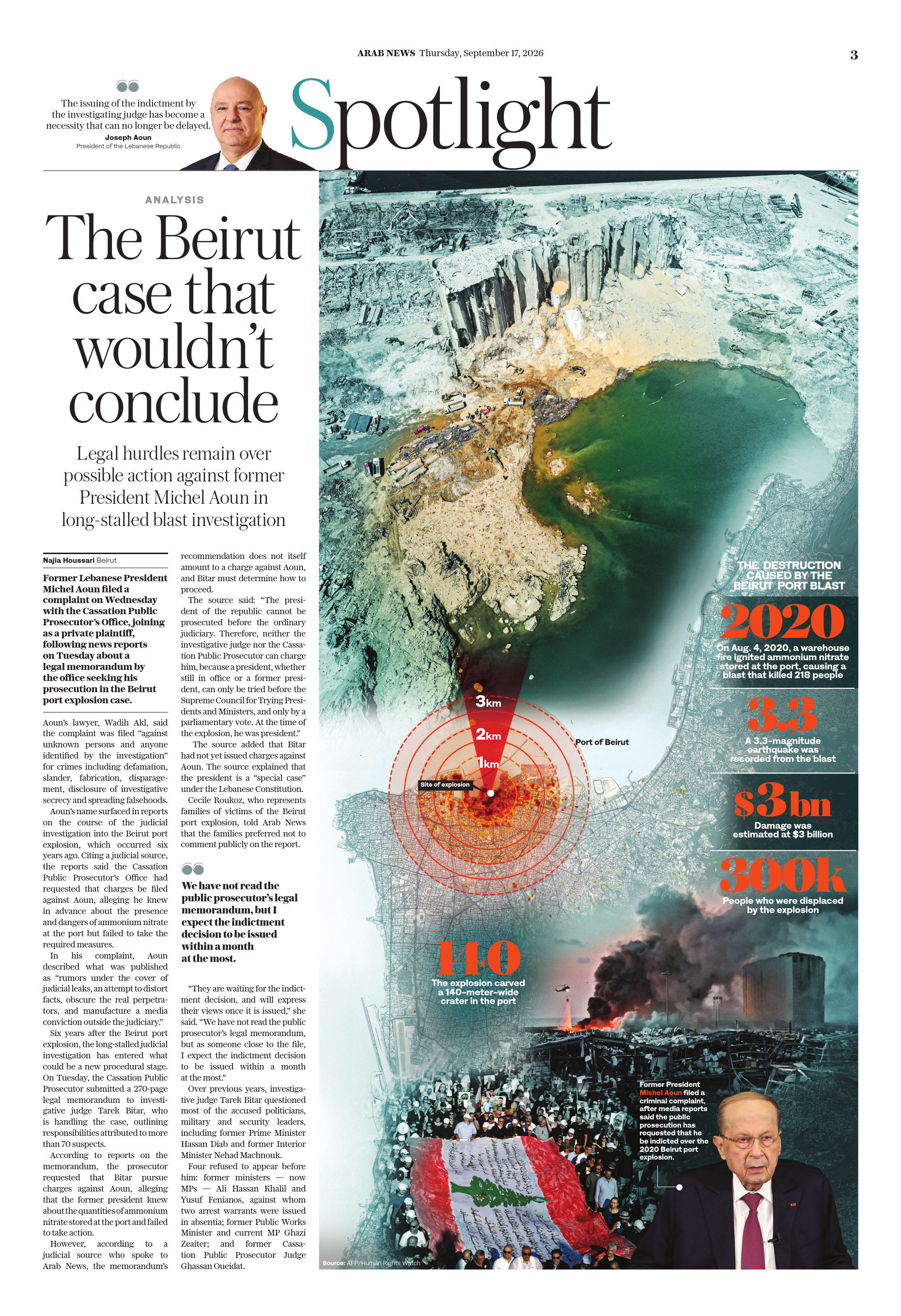
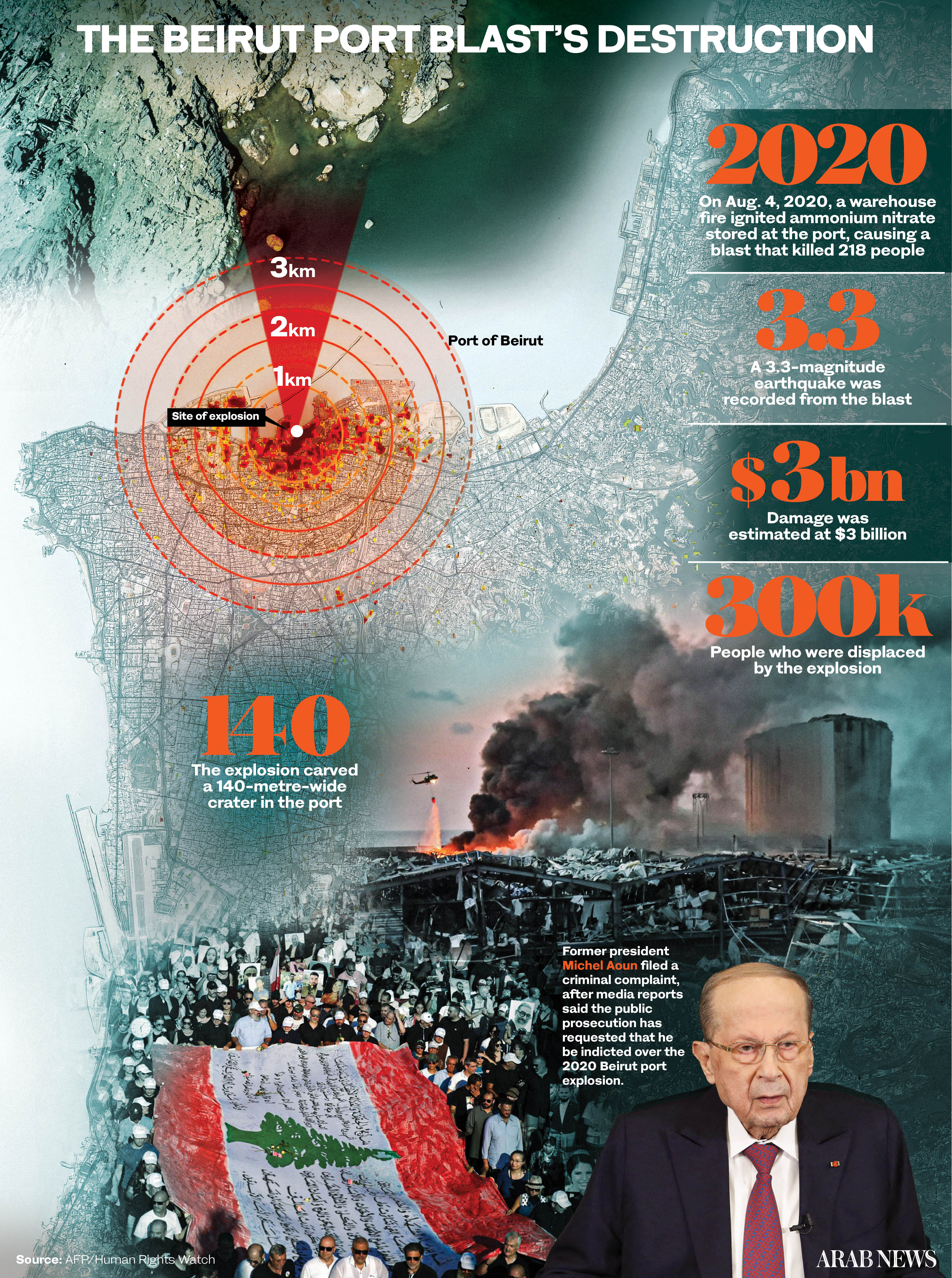
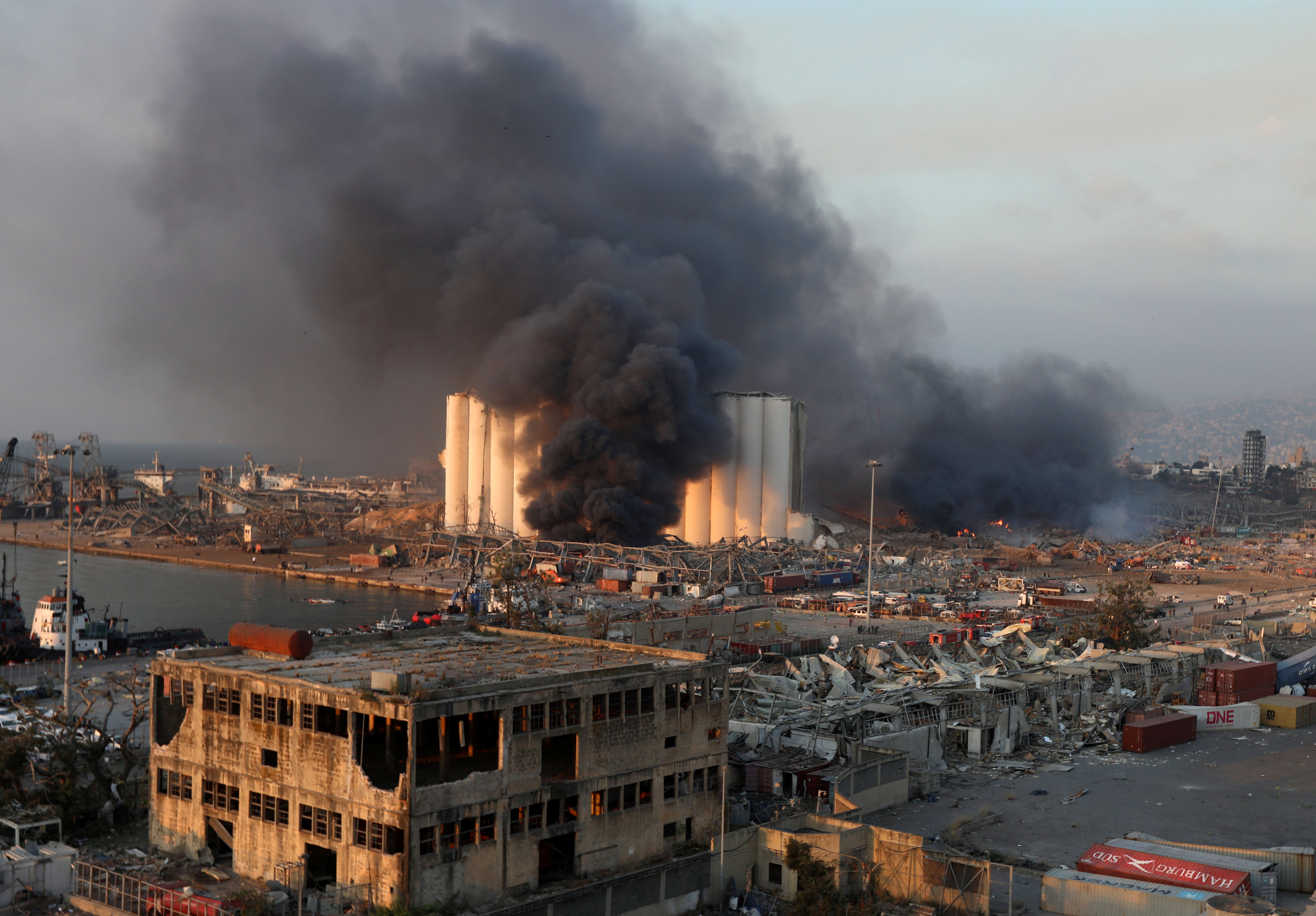
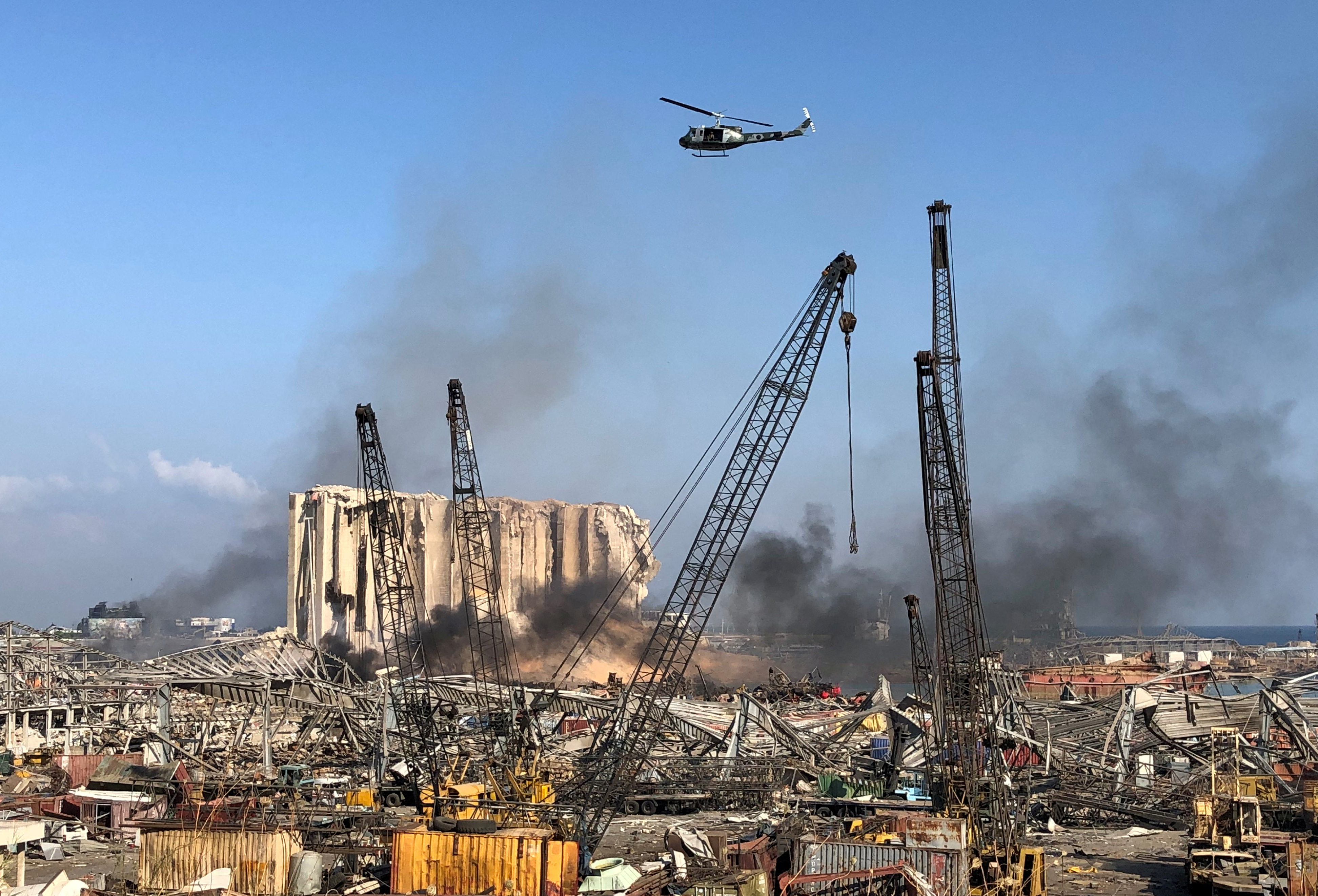
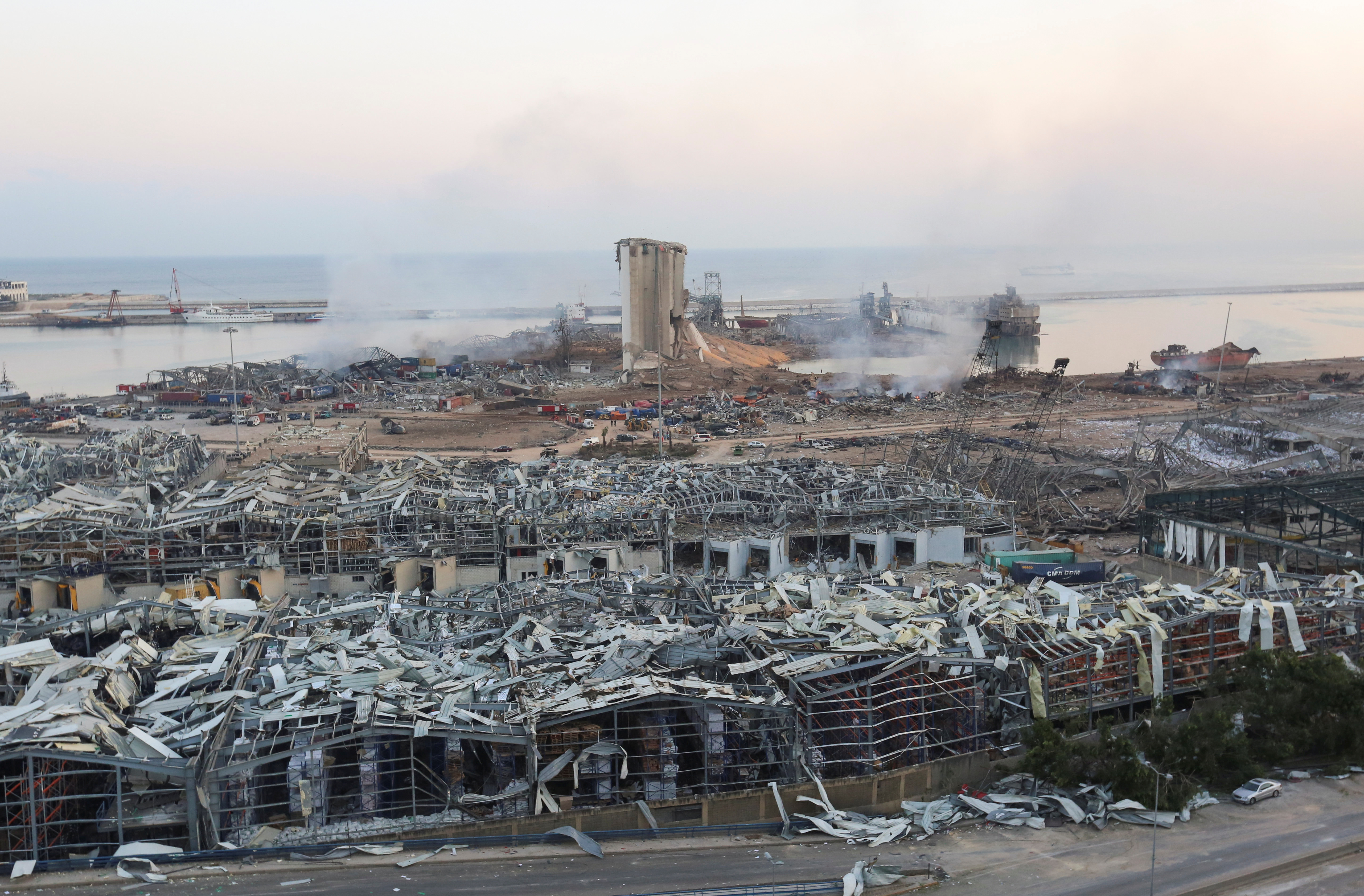
The massive explosion that destroyed Beirut’s port and nearby parts of the city on Aug. 4, 2020, sent shock waves across neighboring countries and remains an open wound in Lebanon. It was one of the largest non-nuclear explosions in history, but six years later accountability for those responsible remains elusive.
Human Rights Watch has documented evidence of official negligence in the handling and storage of ammonium nitrate at the port. UN experts have called for an independent international investigation into the blast and the failures that allowed it to happen. Those calls should not be confused with the findings of a completed UN investigation.
Many of those who have been charged are not in custody, including senior officials from the army, General Security, customs and the judiciary. Allegations in the case include negligence and homicide.
On the afternoon of Aug. 4, 2020, a fire broke out in a Beirut port warehouse where a shipment of about 2,750 tonnes of ammonium nitrate had been stored. The exact quantity remaining at the time of the blast, and how much detonated, have not been conclusively established. Welding work at the warehouse was investigated as a possible ignition source, but the cause of the fire remains disputed.
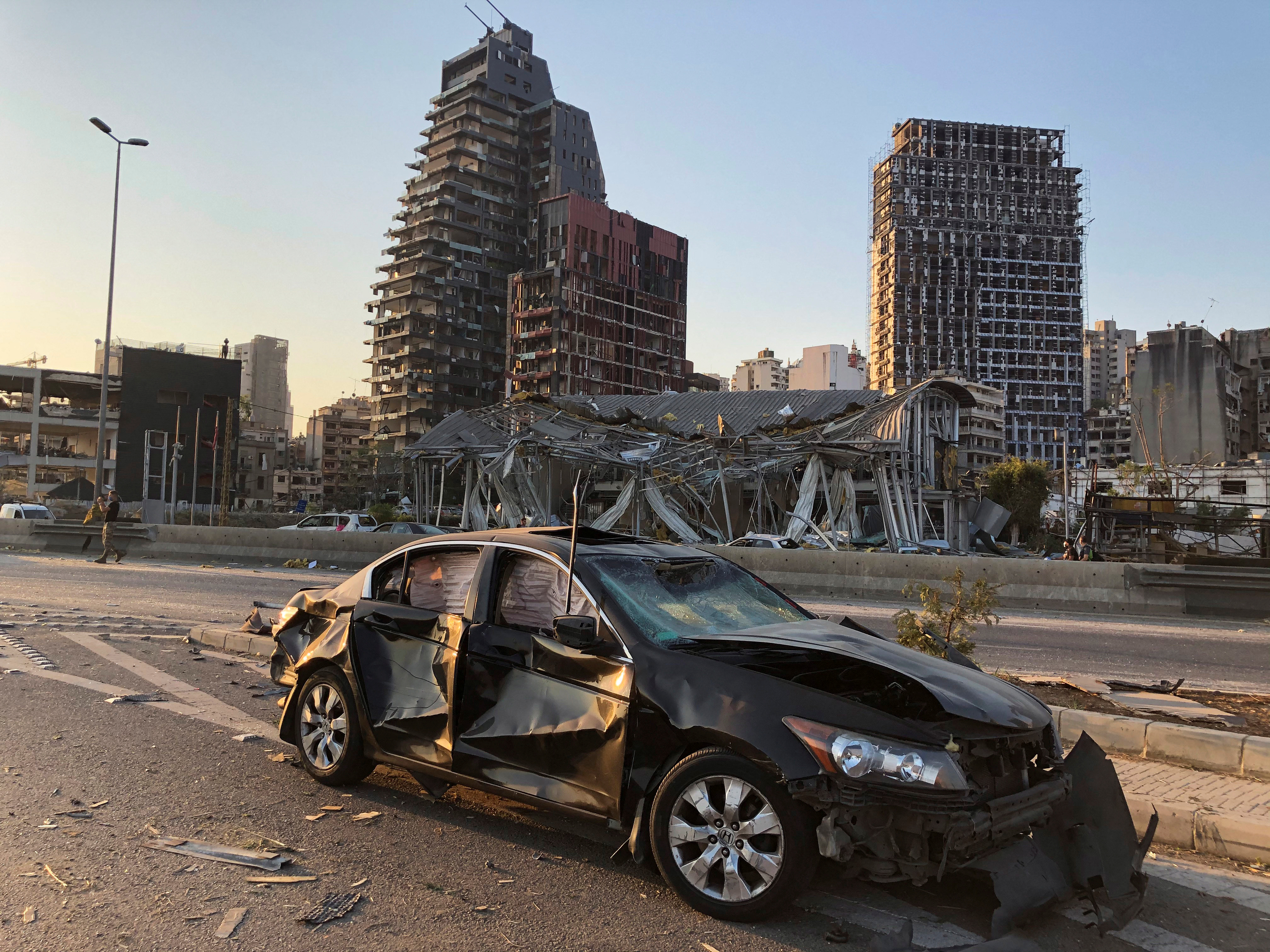
At 6:06 p.m., the fire was followed by a huge explosion that devastated part of the capital and left a crater at the warehouse site. More than 200 men, women and children were killed instantly and about 6,500 were injured. Roukoz put the death toll at 245, including people who subsequently died of their injuries.
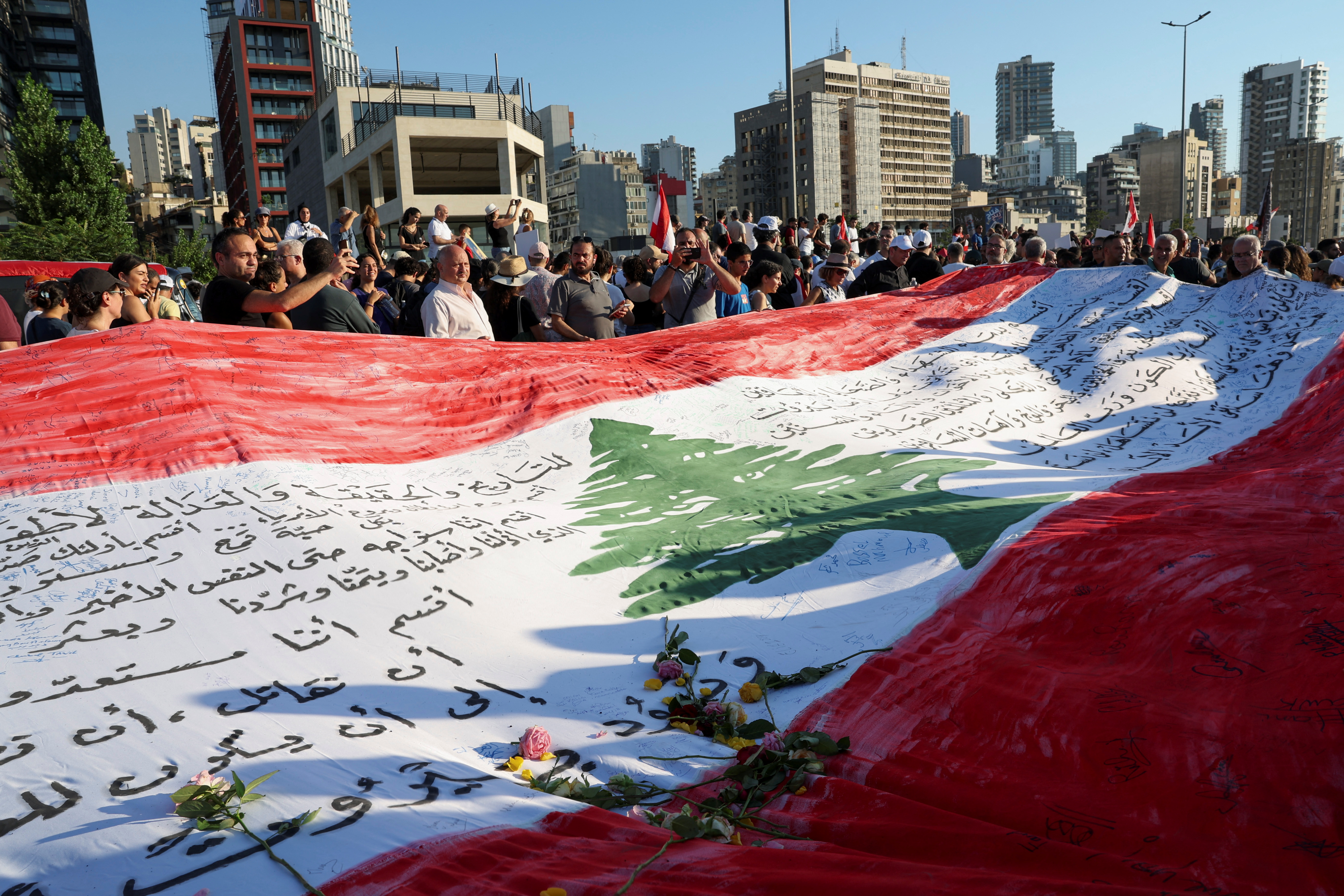
The victims included Lebanese citizens and foreign nationals. AP reported in 2023 that the Anti-Racism Movement had counted at least 76 non-Lebanese deaths, including 52 Syrians.
The investigation has suffered repeated interruptions. Bitar attempted to resume work in January 2023 after a 13-month suspension, but the inquiry was blocked again amid a confrontation with Oueidat.
He resumed his investigative work in January 2025 after a further interruption of roughly two years, when Joseph Aoun, no relation to Michel Aoun, became president and Prime Minister Nawaf Salam formed a government the following month, amid a shifting political balance in Lebanon following the decline of Hezbollah’s domestic influence.
Hezbollah and the Amal Movement had fiercely protested against Bitar and his investigation. They opposed the prosecution of ministers before the ordinary judiciary, insisting that they be referred to the Supreme Council. That council comprises seven MPs elected by parliament and eight senior judges. It is distinct from the Judicial Council, the court to which Bitar can refer defendants in the blast case.
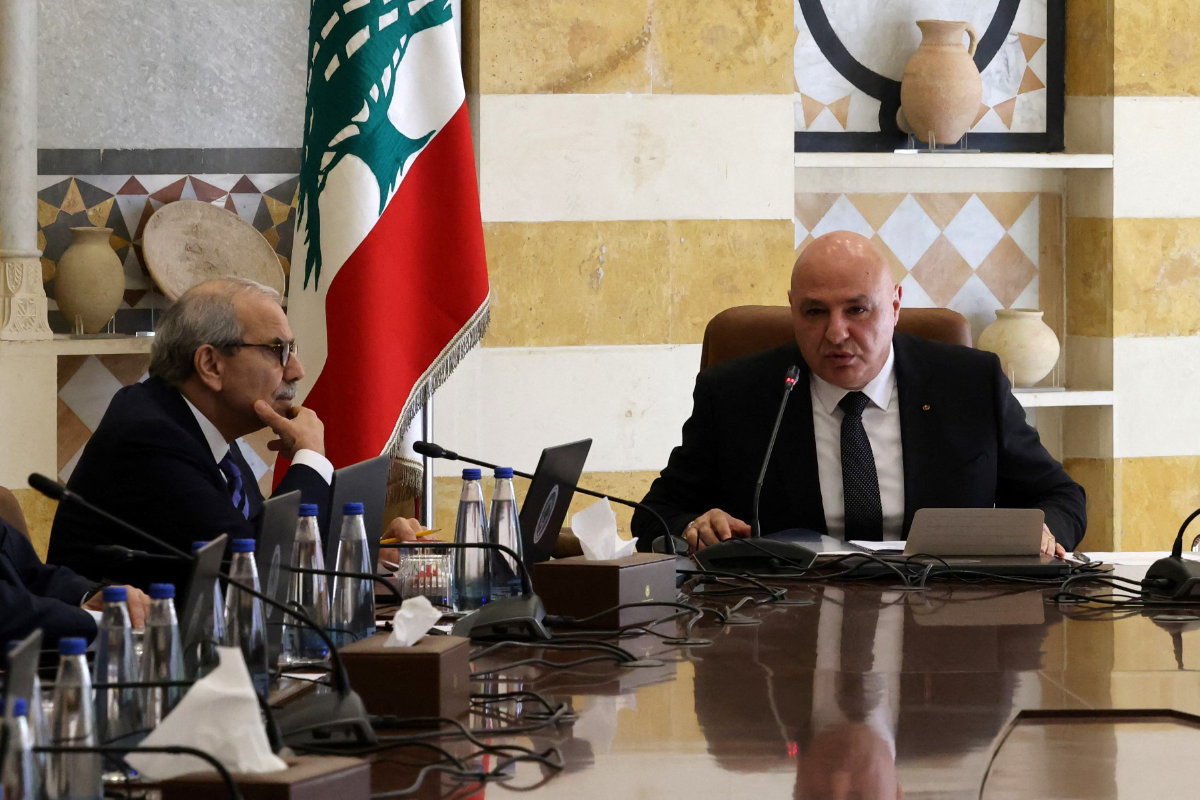
President Aoun and Prime Minister Salam pledged in the president’s inaugural address and the government’s ministerial statement to uphold “judicial independence, prevent interference in its work, and combat impunity.”
In March 2025, the Court of Cassation’s public prosecutor at the time, Judge Jamal Al-Hajjar, reversed a decision in January 2023 by his predecessor, Judge Oueidat, to halt all cooperation with Bitar. That instruction had followed Bitar’s decision to charge Oueidat, Court of Cassation Advocate General Judge Ghassan Al-Khoury and several other judges in connection over the explosion.
In January 2023, Oueidat also ordered the release of all 17 detainees being held in connection with the case, most of them port officials, employees and military personnel, and accused Bitar of “usurping the title of investigative judge and seizing authority.”
Six years after the blast, the latest moves in the case have raised some hope of real accountability but many of the victims’ families and activists worry that political interference and legal wrangling will once again stall the process and deny them justice.