AL-JADAA: Like hundreds of thousands of other Iraqis, Maha lives with her boys at a camp for the displaced near Mosul. But there is a big difference — her father and husband worked and fought with Daesh.
“Men go off and do what they want, they never listen to us,” said the young woman, a new arrival at the camp in the Al-Jadaa area, south of Mosul, by way of excuse for their actions.
The camp is home to 18,000 people displaced by several months of warfare in and around Mosul between Daesh and Iraqi forces backed by the US-led coalition also fighting the terrorists.
More than 80 families, mostly women and children who had a husband or father among the ranks of Daesh, have this week been transferred to the Al-Jadaa camp.
Maha’s father worked for Daesh, distributing pensions to the families of dead fighters. He himself died in an airstrike on the Maidan district of Mosul’s Old City, the last to fall before Baghdad announced victory on July 10.
“When we left (Mosul), they questioned us. They told us they ‘want the truth’. We told the truth,” she said, without disclosing to AFP the fate of her husband.
Originally from farmlands south of Mosul, her family moved to the city in October to escape the advancing Iraqi forces.
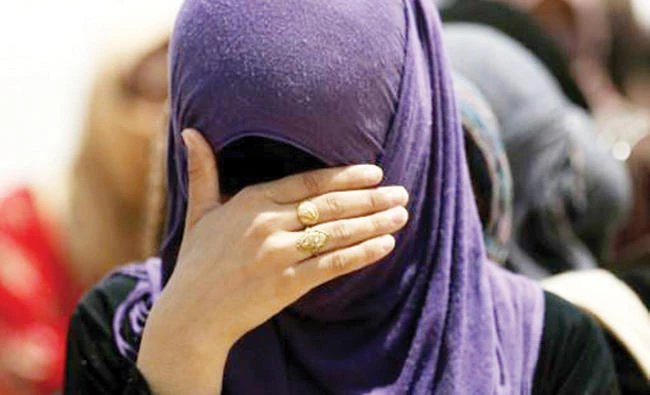
“Nobody has harmed us. We have been well treated,” said Maha, her face covered by a scarf that only revealed her eyes and a worried look.
Hamza, 5, and 4-year-old Khattab were huddled around her legs, clutching her jalabiya robe in its autumnal colors of yellow, orange and red-brown.
Unusually for the many camps for the displaced in northern Iraq, four armed soldiers kept watch near the area where the new arrivals have been resettled.
But the women and children have freedom of movement outside their tents.
Encircled by howling and crying small children in one of the tents, sisters Khawle and Nawal reminisced about the life they were forced to leave behind in Mosul.
“They say they saved us. From who? They are the ones who bombed us. We were left to walk over bodies everywhere,” said Nawal.
Khawle broke in with a sigh: “We were living the good life. They treated us well,” she said of Daesh.
Their father, a former bus driver in his 60s, had signed up with the terrorists to work as a mechanic.
Saad Faraman of RNVDO, an Iraqi NGO in charge of running camps in Al-Jadaa, said: “It’s our duty to accommodate them, to provide them with aid, just like we do for all the displaced.”
The Daesh-linked families were transferred from a “rehabilitation center” in Bartalla, close to Mosul, which received at least 170 families before it was closed, according to Human Rights Watch (HRW), which last week criticized the existence of that camp.
“Iraqi authorities shouldn’t punish entire families because of their relatives’ actions,” said Lama Fakih, deputy Middle East director at New York-based HRW.
“These abusive acts are war crimes and are sabotaging efforts to promote reconciliation in areas retaken” from Daesh.
“Men go off and do what they want, they never listen to us,” said the young woman, a new arrival at the camp in the Al-Jadaa area, south of Mosul, by way of excuse for their actions.
The camp is home to 18,000 people displaced by several months of warfare in and around Mosul between Daesh and Iraqi forces backed by the US-led coalition also fighting the terrorists.
More than 80 families, mostly women and children who had a husband or father among the ranks of Daesh, have this week been transferred to the Al-Jadaa camp.
Maha’s father worked for Daesh, distributing pensions to the families of dead fighters. He himself died in an airstrike on the Maidan district of Mosul’s Old City, the last to fall before Baghdad announced victory on July 10.
“When we left (Mosul), they questioned us. They told us they ‘want the truth’. We told the truth,” she said, without disclosing to AFP the fate of her husband.
Originally from farmlands south of Mosul, her family moved to the city in October to escape the advancing Iraqi forces.
“Nobody has harmed us. We have been well treated,” said Maha, her face covered by a scarf that only revealed her eyes and a worried look.
Hamza, 5, and 4-year-old Khattab were huddled around her legs, clutching her jalabiya robe in its autumnal colors of yellow, orange and red-brown.
Unusually for the many camps for the displaced in northern Iraq, four armed soldiers kept watch near the area where the new arrivals have been resettled.
But the women and children have freedom of movement outside their tents.
Encircled by howling and crying small children in one of the tents, sisters Khawle and Nawal reminisced about the life they were forced to leave behind in Mosul.
“They say they saved us. From who? They are the ones who bombed us. We were left to walk over bodies everywhere,” said Nawal.
Khawle broke in with a sigh: “We were living the good life. They treated us well,” she said of Daesh.
Their father, a former bus driver in his 60s, had signed up with the terrorists to work as a mechanic.
Saad Faraman of RNVDO, an Iraqi NGO in charge of running camps in Al-Jadaa, said: “It’s our duty to accommodate them, to provide them with aid, just like we do for all the displaced.”
The Daesh-linked families were transferred from a “rehabilitation center” in Bartalla, close to Mosul, which received at least 170 families before it was closed, according to Human Rights Watch (HRW), which last week criticized the existence of that camp.
“Iraqi authorities shouldn’t punish entire families because of their relatives’ actions,” said Lama Fakih, deputy Middle East director at New York-based HRW.
“These abusive acts are war crimes and are sabotaging efforts to promote reconciliation in areas retaken” from Daesh.