- Israeli bombardments have systematically destroyed over 147 historic homes in Nabatieh, including those belonging to prominent political families, significantly impacting the region's architectural heritage
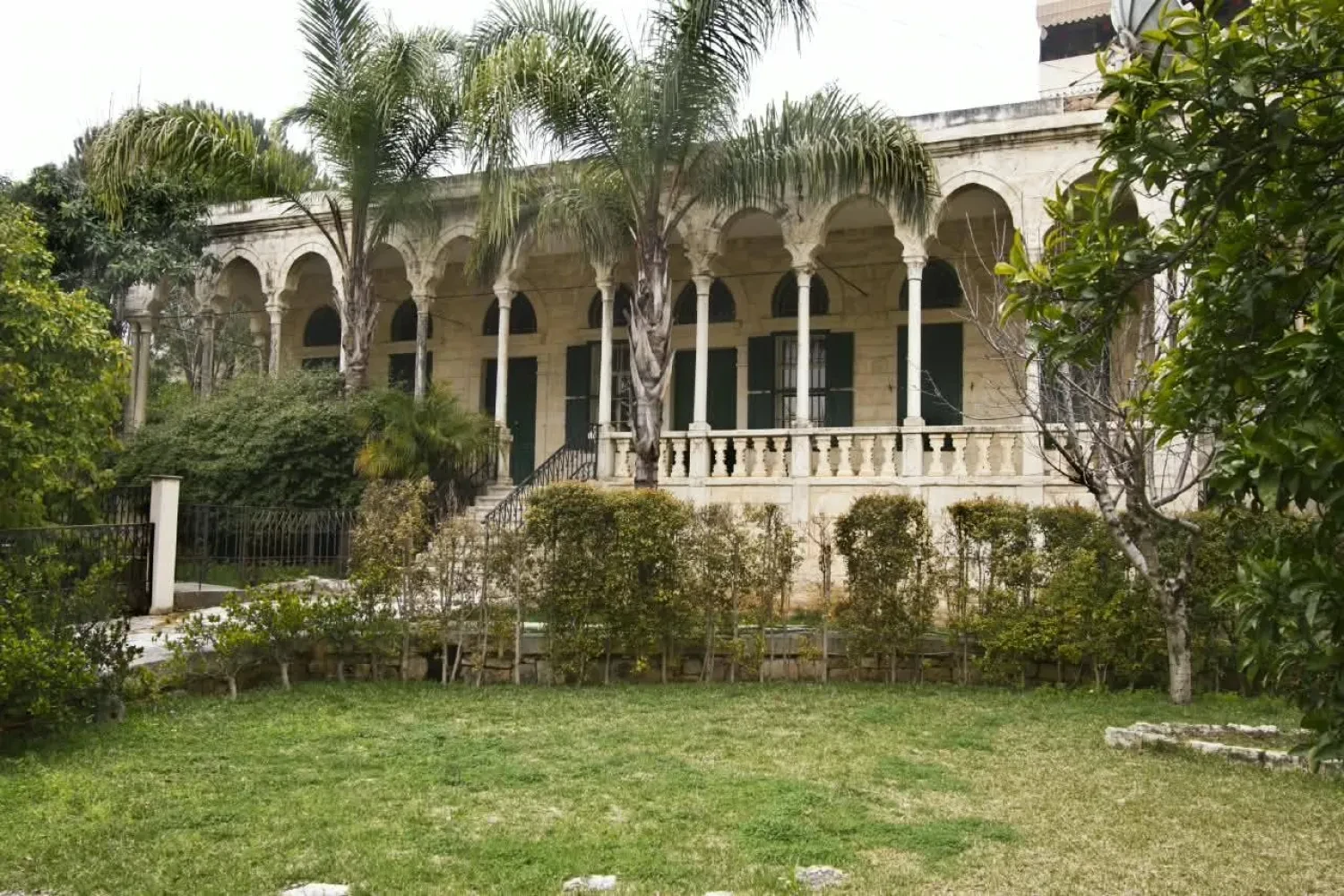
Daily attacks around the city of Nabatieh and the town of Kfar Rumman have not stopped the Zein family from launching work to restore “what can be restored” of the home of Youssef Bek Zein, which was damaged by intensive Israeli strikes several months ago.
Descendants of one of Nabatieh’s best-known political families see preserving their heritage as an act of defiance against Israel, which they say is erasing physical traces and memories from the land and seeking to eliminate historic homes with distinctive architecture, political family residences, and urban and historical landmarks of all kinds across South Lebanon.
During the two large-scale wars Israel waged on South Lebanon, airstrikes and demolitions wiped out dozens of heritage landmarks, including political family homes whose architecture and libraries documented periods of Jabal Amel’s political history over the past two centuries.
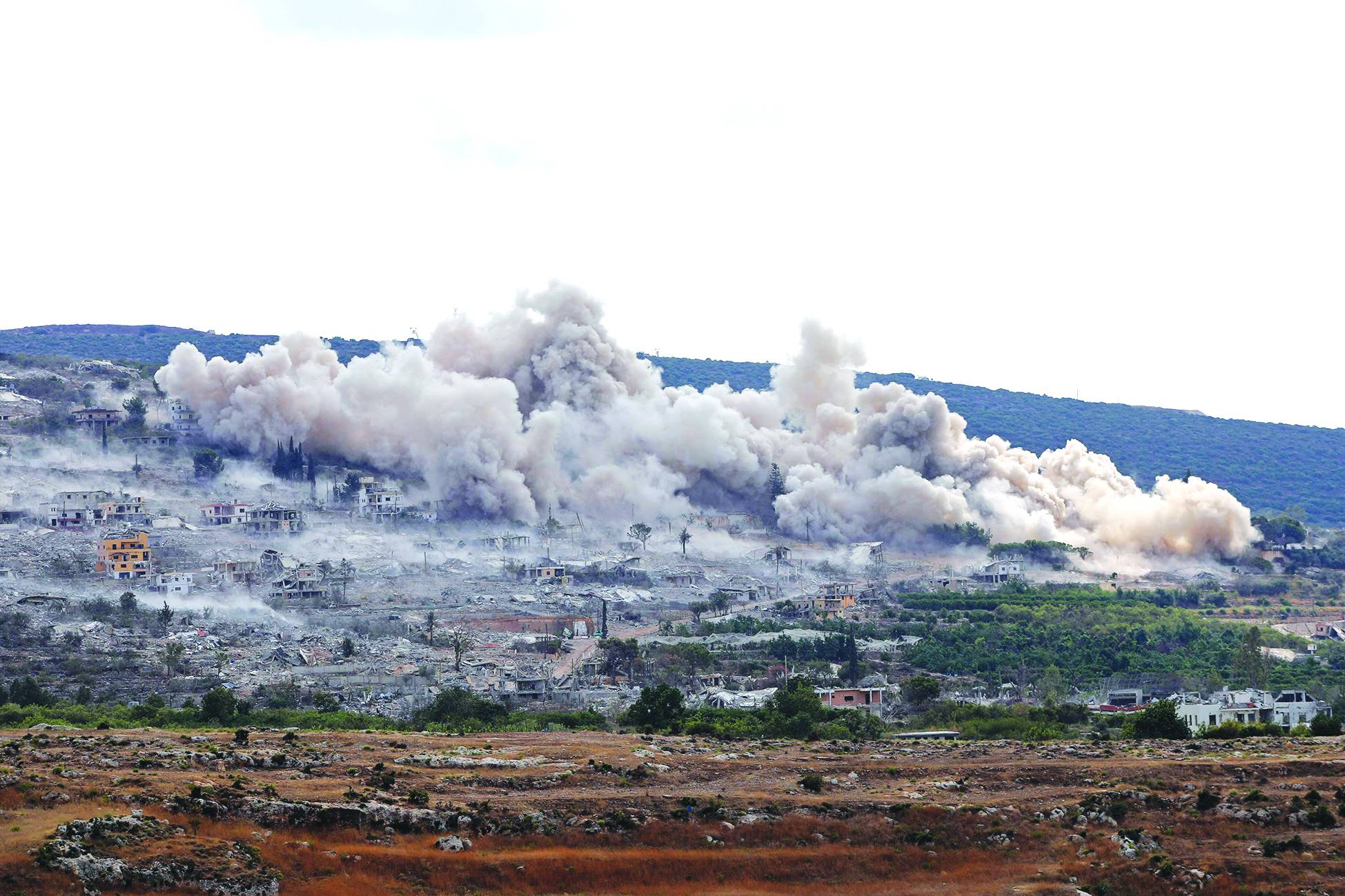
In Nabatieh alone, Israeli bombardment razed 147 homes between 80 and 110 years old. Some had developed from houses originally built 200 years ago. They included heritage properties belonging to local political leaders, ministers and lawmakers who had played roles in Nabatieh and its surroundings over past decades.
The damage also extended to political family residences around Nabatieh, including the Asaad family home in Taybeh. Local activists say many old houses were razed along with it, including the home of Khalil Abdallah in Khiam, one of the region’s most prominent historical leaders, built in 1862.
Abdel Aziz Zein’s Home: A Cultural Role
The home of Youssef Bek Zein, heavily damaged by Israeli bombardment, is now among the last remaining heritage landmarks and architectural witnesses in the Nabatieh area following the loss of the Abdel Aziz Zein residence.
In recent years, that residence had become a cultural hub in the region. His son, Dr. Saad Zein, expanded it to host cultural and community activities.
“My family home, the Abdel Aziz Zein residence, was more than 80 years old,” Dr. Saad Zein told Asharq Al-Awsat. “An Israeli strike completely demolished the house and wiped out all its features — not only its architecture, but also its cultural role.”
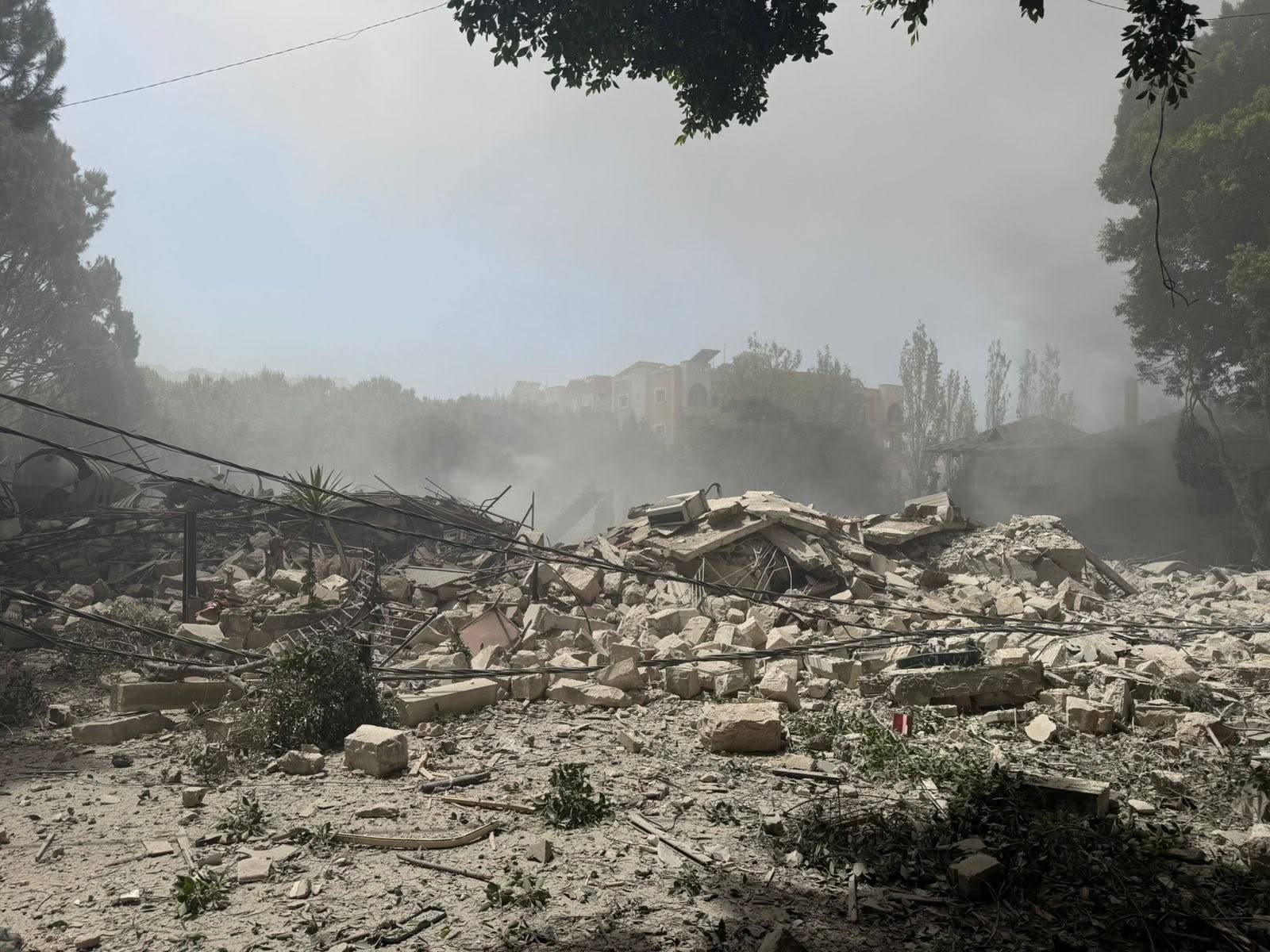
Zein said the house had served as a venue for cultural and social activities since at least 2000. He had established a small museum there documenting the history of Jabal Amel, and the house “became a cultural destination in the region.”
The residence was later expanded to include gardens and a diwaniya, a traditional reception space that is a central feature of southern Lebanese architecture. In recent years, it became known as the “Saad Zein House.”
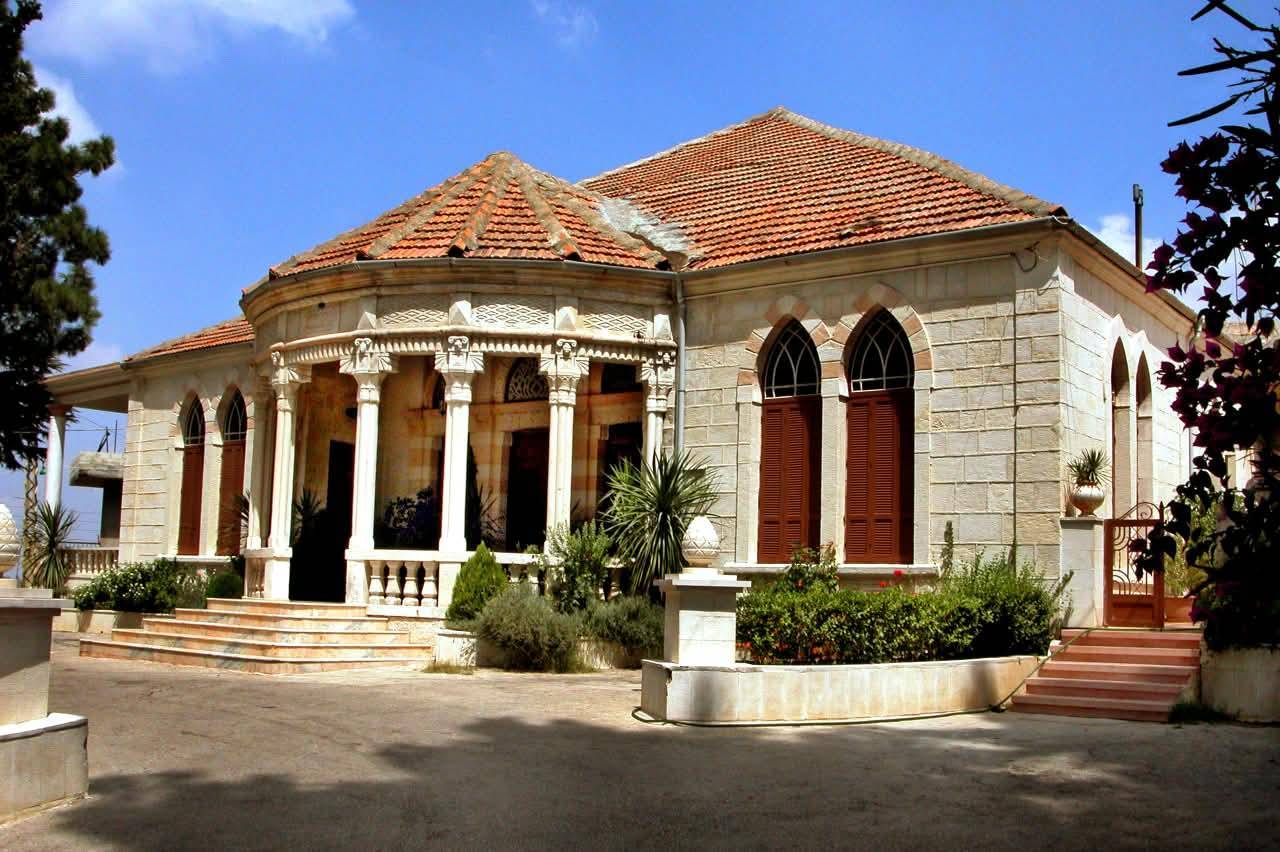
The strike on the large residence also damaged the adjoining Zein family home. That residence had been a center of political and social leadership for more than a century. Built 150 years ago, it housed the Ottoman governor in the 19th century before ownership passed to the Zein family and Youssef Bek Zein took up residence there.
Even the Family Tombs Were Hit
Zein entered parliament after the proclamation of Greater Lebanon in 1924, and his family became one of Jabal Amel’s most prominent political families during the last century. Its parliamentary representation continued uninterrupted until 2018.
“The Youssef Bek Zein residence was severely damaged. The roof, courtyard and family tombs were hit, including Youssef Bek’s grave,” Dr. Saad Zein stated.
“We are now working intensively and quickly to restore the house so it can be usable again and remain a witness to a political era, given that the family is one of Jabal Amel’s founding families and has maintained a cultural, developmental and social presence — a role that continues with me and my uncle.”
Zein stressed that the targeting of political homes and urban and historical landmarks “aims to erase traces and memories from the land in order to sever the Lebanese people’s connection to their homes, land and heritage.”
Deliberate and Systematic Destruction
Cultural and social figures in Nabatieh broadly agree that what occurred during the wars of 2024 and 2026 amounted to the “systematic destruction of memory without any actual justification.”
They argue that the concentrated bombardment and leveling of longstanding family homes historically associated with political positions opposed to Hezbollah contradicts the Israeli military’s assertion that its strikes target only Hezbollah facilities and headquarters.
One particularly notable case was the leveling of the home of former lawmaker Habib Sadek, founder of the Cultural Council for South Lebanon, in Kfour, west of Nabatieh.
Sadek was among South Lebanon’s best-known political and cultural activists. He served in parliament in 1992 and was one of the most prominent chroniclers of Israeli violations in the south since the 1940s. He encouraged the publication of works sponsored by the Cultural Council and combined a political career with his work as a writer, poet and thinker.
Manuscripts Documenting Violations
Kamel Jaber, head of the Cultural Council’s Nabatieh branch, told Asharq Al-Awsat that after Sadek’s home in Khiam was demolished in 1977, the area remained under occupation until 2000 and the family was forced to live between Beirut and Nabatieh.
“The family was determined to build a house outside the city resembling the homes of southerners — meaning it would have a garden surrounded by pine trees, with roses blooming in it,” Jaber said.
“Sadek paid particular attention to a diwaniya on the lower floor of the house, where he kept many of the manuscripts he had presented through various radio programs, as well as writings from the 1960s and 1970s. He also created extensive libraries in the diwaniya containing books, manuscripts and the rest of his cultural legacy.”
Jaber said Sadek was “one of the most prominent cultural figures who wrote and published works and books about the south, documenting violations and various forms of Israeli occupation, whether related to ambitions over water, geography or other issues, and produced studies showing the harm inflicted on the south through occupation.”
From that perspective, Jaber said the targeting of the house “was a targeting of Habib Sadek, his role, legacy and career.” He ruled out any security-related reason for striking the house, which he said was “closed and checked daily by a caretaker.”
Erasing Architectural and Political Heritage
The devastation is viewed locally as part of an effort to eliminate Nabatieh’s urban, architectural and political heritage.
After the 2024 war, cultural figures in the city launched an initiative, involving civil society groups in cooperation with the municipality, to document heritage buildings lost to Israeli bombardment. The survey was updated just two weeks before this article was written.
It found that 147 homes had been completely razed, leaving only a very small number of such buildings standing.
During the 2026 war, what remained of the Fadl al-Fadl house in the Manshieh district was demolished. The house was built late in the last century and designed by an Egyptian architect. General Gouraud visited it in the 1920s during a trip to the south while serving as French high commissioner in Lebanon.
The home of former lawmaker Mohammed Bek al-Fadl, meanwhile, lost large sections after strikes hit its surroundings in 2024. The house is 102 years old. Jaber, who works to document local memory through a civil society organization in Nabatieh, said its new owner had decided to restore it.
Erasing Cultural Memory
Nabatieh residents see the campaign as targeting architecture that embodies the area’s cultural heritage and its social, political and urban memory.
In Nabatieh, Israeli strikes completely leveled the residence of the late minister and lawmaker Rafik Shahine, as well as the home of Said Shahine, father of lawmakers and ministers Ghaleb and Fahmi Shahine.
Other buildings lost in the strikes had been regarded as architectural masterpieces, including the palace of Dr. Bahjat al-Mirza, considered one of the city’s most beautiful homes because its facades featured carvings in stone. Mirza was among Nabatieh’s first physicians in the 20th century to open his home to provide medical care to residents.
Mahmoud Shahine’s house was also razed in 2026. The building had served as a school during the last century and was among the houses constructed on the remains of older homes built some 200 years ago.
On Sept. 6, 2026, an Israeli strike leveled the home of Dr. Adnan Sharif, a century-old architectural landmark.
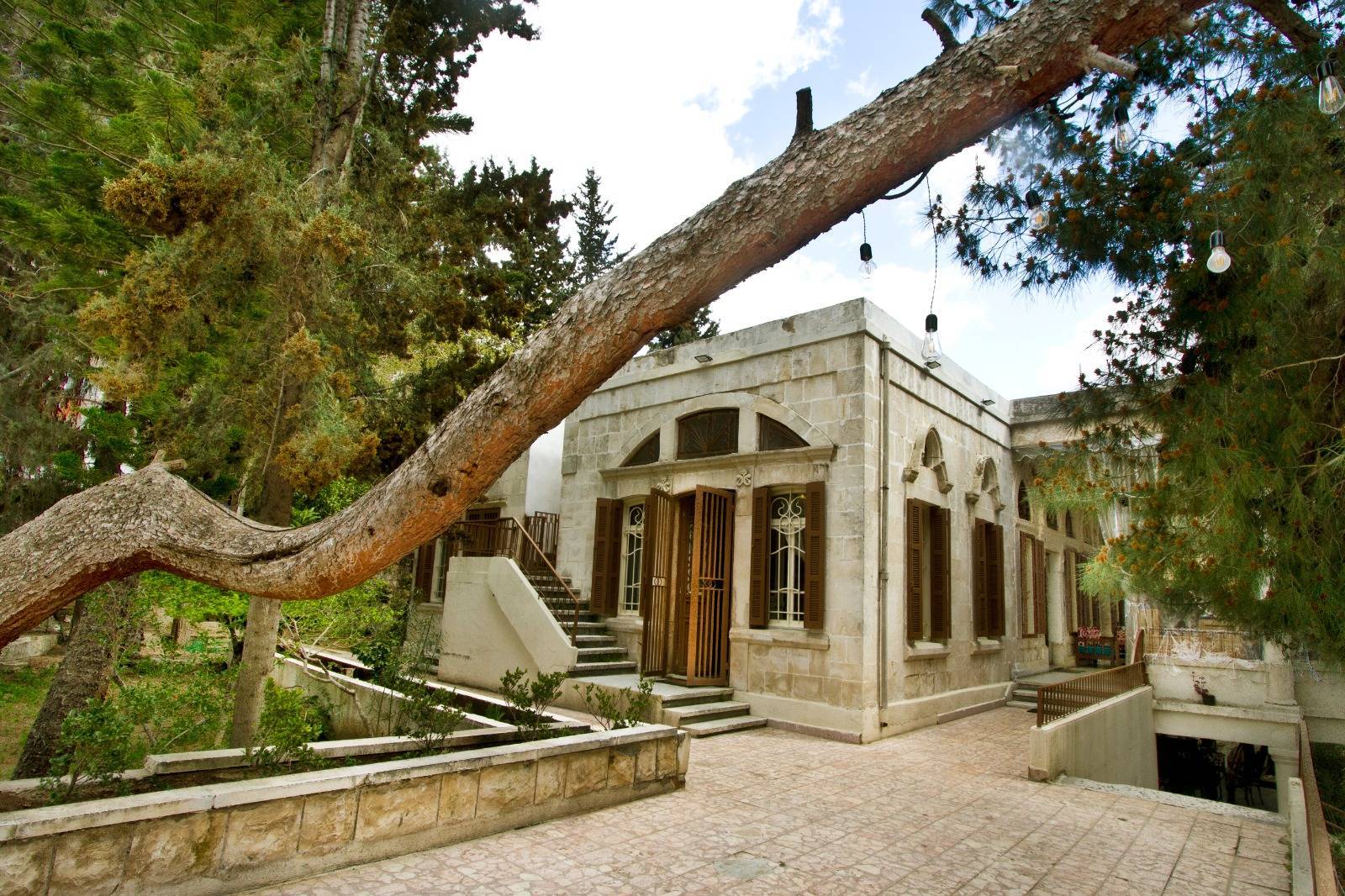
The home of former lawmaker Anwar Sabbah, father of Sadek Sabbah, director of Sabbah Brothers television production company, was also demolished. Built on a hill in Nabatieh in the early 1990s, it was separate from the family residence in the city, which remained standing.
Strikes also razed Ghandour Hospital, one of the main hospitals that provided medical services to the Nabatieh area during the period of occupation beginning in the 1980s.
A War on History
Israeli strikes did not only target houses and mansions but also hit archaeological and heritage sites across the south.
A market dating to the Mamluk era in Nabatieh was heavily bombarded, leaving part of it in ruins. The capital of an ancient column was dislodged at a UNESCO-listed site in the southern coastal city of Tyre.
A religious site known as “Shamoun al-Safa,” visited by both Muslims and Christians in the southern town of Shamaa, was also razed, as was Shamaa’s Crusader castle.
There is also no information about the condition of “Ain al-Fawqa” in Taybeh after the area surrounding it in the town square was devastated. The water collection spring was built in a spiral form and contains architectural features resembling examples from the Roman and Byzantine periods. It was restored during the Ottoman era.
Culture Minister Ghassan Salame told Reuters last month that historic towns outside the designated area were pummeled with airstrikes, including Tyre and Nabatieh.
Heavy bombing hit the town of Tebnin, prompting fears that its Crusader fortress was also damaged, Salame said.
"Heritage is not only Roman and Phoenician antiquities,” he added. “Heritage is also historic buildings, archaeological sites, and buildings with a cultural function."
He expressed concern that the Israeli campaign could completely erase centuries of Lebanese history.
UNESCO, meanwhile, said in a statement that it was concerned about the situation in Tyre, a World Heritage site under the agency’s enhanced protection.
It added it was deeply concerned by reports of damage to Shamaa Castle in South Lebanon and fighting near Beaufort Castle, denouncing what it described as “unlawful attacks on cultural property.”