- PM Salam used the UNGA to press for a six‑month UNIFIL extension and, failing that, to explore alternatives before the mission ends in December.
- Officials told Arab News that a Paris proposal for an Italian‑French force was deemed unfeasible due to missing guarantees and legal framework.
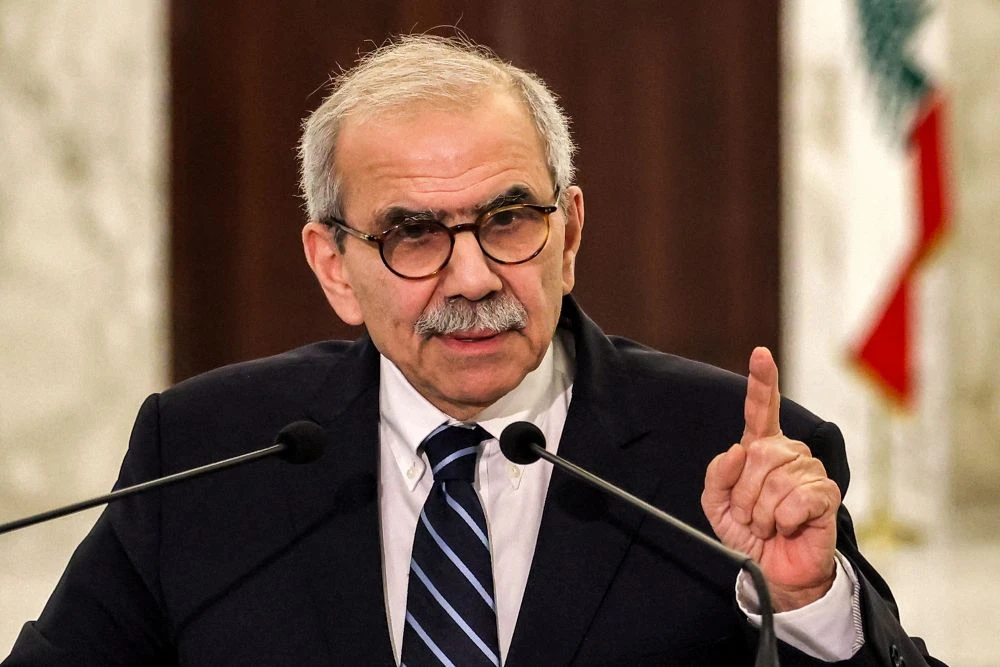
BEIRUT: Lebanese Prime Minister Nawaf Salam’s meetings in New York on the sidelines of the 81st session of the UN General Assembly have so far failed to secure Lebanon’s request for a six-month extension of the UNIFIL mandate, even as conditions on the ground in the south deteriorate.
The outcome of the talks remains unclear. Salam, who is scheduled to address the General Assembly on Friday, has used the visit to present Lebanon’s priorities on the international stage.
Lebanon’s core demands include the need for Israel to commit to a full withdrawal from Lebanese territory and an end to aggression; strengthening the Lebanese Army; ensuring a continued international presence in the south after UNIFIL’s mission ends; extending state authority and placing all arms under state control; mobilizing support for return, recovery and reconstruction; and continuing government‑led reforms.
During bilateral meetings with the heads of other delegations, Salam and his team focused on developments in southern Lebanon and the future of the UNIFIL mandate.
Public statements from several counterparts signaled political backing.
Emir of Qatar Sheikh Tamim bin Hamad Al-Thani reaffirmed support for Lebanese state institutions and sovereignty over all its territories, accusing Israel of failing to respect agreements and treating Lebanon with a “mentality of tutelage.”
French President Emmanuel Macron stressed Paris’s commitment to supporting arrangements that would succeed UNIFIL, underscoring the need for a fully sovereign Lebanese state and the consolidation of arms under state control.
An official Lebanese source monitoring the south and UNIFIL issue told Arab News that Beirut was seeking to secure an alternative force to UNIFIL should a mandate extension prove impossible.
“Lebanon does not want a vacuum in the south, nor does it want to reach a stage where Israeli forces are directly confronting the Lebanese Army,” the source said, adding that the army cannot deploy while Israel continues to occupy parts of the south.
The same source said that a proposal discussed last week in Paris between the Lebanese and French presidents — envisaging a force composed of Italian and French troops — was judged unfeasible. The plan lacks guarantees, a UN or European mandate, and a clear legal framework for deployment.
In his address to the UN General Assembly, Macron referenced the future of the international presence in southern Lebanon as the UNIFIL’s mandate nears its conclusion. He announced his country’s commitment to working with Italy and partners of Lebanon to find an “effective solution” to replace the international force.
Meanwhile, UNIFIL’s Head of Mission and Force Commander of UNIFIL Lt. Gen. Stefano Del Col emphasized in a speech marking the International Day of Peace that “while peace in southern Lebanon remains elusive, hope for achieving it persists.”
He stressed that “lasting peace requires commitments and political solutions from the parties themselves; peacekeeping forces can help restore stability, prevent misunderstandings, and mitigate the risk of escalation. However, they cannot substitute for the political will and decisions necessary to permanently end the conflict.”
Lt. Gen. Del Col explained that the parties involved must work toward a political solution.
“UNIFIL would continue to play its role by keeping communication channels open, limiting the risk of escalation, and supporting diplomatic efforts,” he said, adding that the full implementation of Resolution 1701 remained the goal and foundation for achieving lasting peace and stability in southern Lebanon.
In August 2025, the UN Security Council unanimously renewed UNIFIL’s mandate for the last time, setting the end of December 2026 as the date the peacekeeping force ceases operations in southern Lebanon. A withdrawal lasting up to a year will follow, leaving the Lebanese state as the sole authority responsible for security in the south.
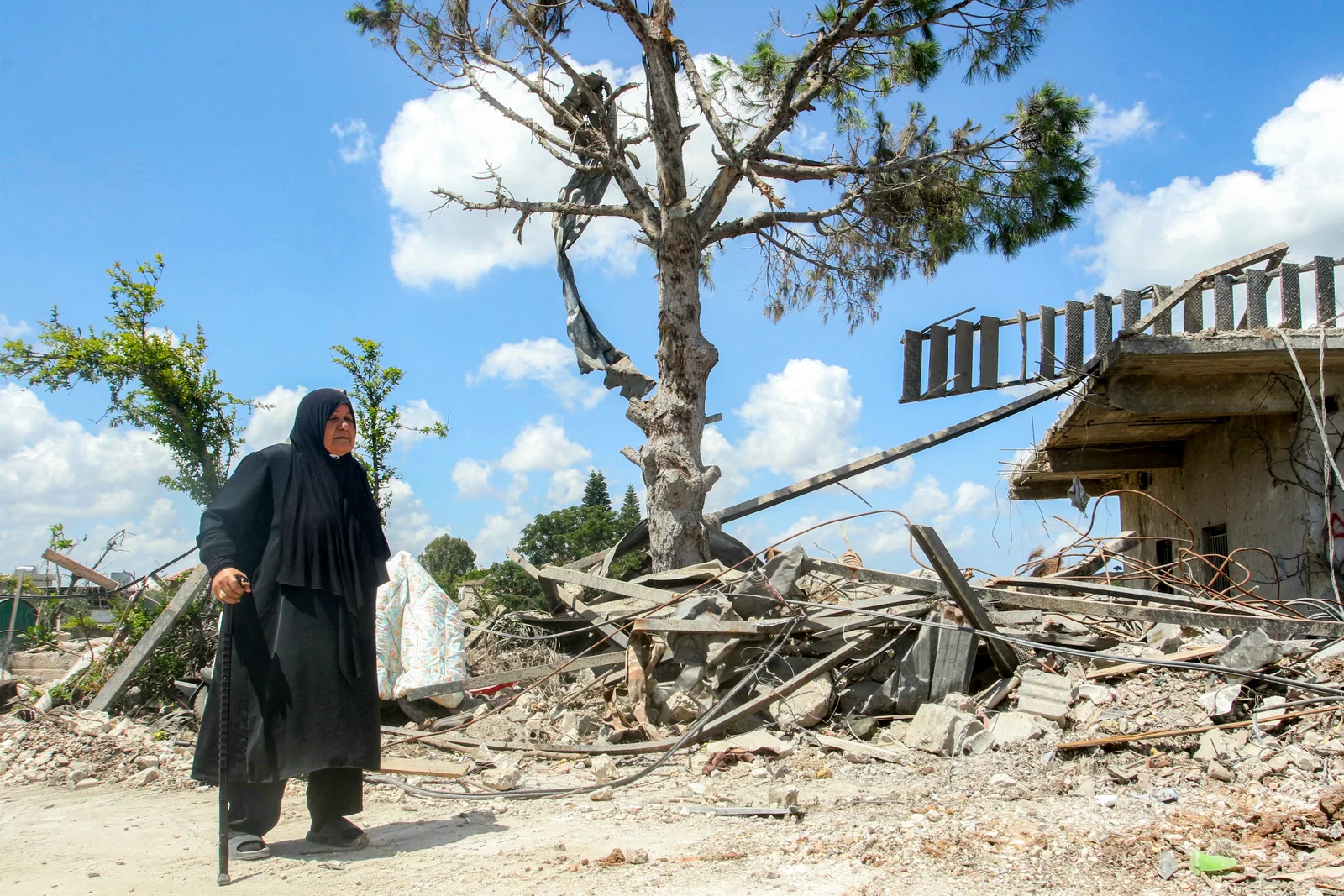
The planned handover to the Lebanese army — across a zone running from the Litani River south to the Blue Line — remains fraught. Israeli forces have occupied dozens of frontline border villages and advanced deep into the south as far as the Litani. Efforts to bring Hezbollah’s weapons under state control have stalled, while Israel continues to breach the ceasefire with shelling and demolitions, and has warned residents not to return home.
Since fighting between Israel and Hezbollah resumed in March, UNIFIL has taken on the additional task of escorting humanitarian convoys to Christian border towns whose residents refused to flee.
Maj. Gen. Diodato Abagnara, UNIFIL’s commander, said that “the Lebanese army and other UN agencies must be ready to take over the force’s tasks before the drawdown starts, and called for a seamless transfer — either to other UN bodies or ahead of a future mission.”
The UN first deployed peacekeepers to monitor Lebanon’s southern border with Israel in 1978, in the aftermath of the Israeli invasion of southern Lebanon, and the mandate has been renewed ever since. The Security Council reinforced the force’s mandate following Israel’s 2006 offensive against Lebanon under Resolution 1701.
After the General Assembly, Salam will travel from New York to Washington for talks that include a meeting with US Secretary of State Marco Rubio.
Speaking to Lebanese expatriates at the consulate general in New York, he said that “the state alone must hold authority over its territory and the decision of war and peace, with the army and legitimate security forces solely responsible for public safety. There is no state with two armies, and no state with two decisions.”
In a meeting with UN Secretary-General Antonio Guterres on Tuesday night, Salam pressed for an international presence under UN auspices to remain in the south after UNIFIL leaves, preserving monitoring, reporting and liaison work, helping maintain stability and supporting the extension of state authority nationwide.