TRIPOLI: Libya’s Parliament has ordered a special force be sent within one week to “liberate” all rebel-held ports in the volatile east, officials said on Monday, raising the stakes over a blockage that has cut off vital oil revenues.
The rebels, which have seized three ports and partly control a fourth in the OPEC member country, said they had dispatched forces to deal with any government attack.
The two sides seemed to be heading for military confrontation after a North Korean-flagged tanker finished loading crude worth $30 million at rebel-held Es Sider port despite a government threat to bomb the ship.
Parliament ordered the formation of a military force made up of regular soldiers and allied militias from across Libya to free the ports, which previously handled a total of more than 700,000 barrels of oil per day.
The operation will start within one week, parliament head Nuri Ali Abu Sahmain said in a decree published by spokesman Omar Hmeidan. “The force will be set up to liberate the ports and end the blockage,” Hmeidan told Reuters.
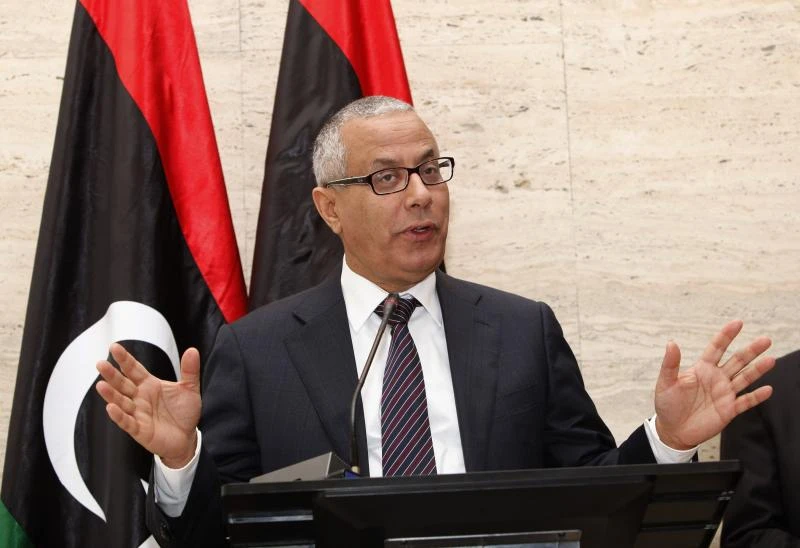
Prime Minister Ali Zeidan, who said on Saturday the Morning Glory tanker would be bombed if it tried to export oil, is now in a much stronger position with Parliament throwing its weight behind military action.
The rebels, made up of former oil security guards, said they had sent forces by land and sea to confront any government attackers.
“We have sent land forces to defend Cyrenaica to the west of Sirte ... and we also have boats patrolling regional waters,” Essam Al-Jahani, a member of the rebels’ leadership team, told Reuters.
On Sunday, Tripoli said the navy and pro-government militias had sent boats to stop the tanker from leaving. The rebels said any attack on the vessel would be “a declaration of war.”
The 37,000-ton vessel was still docked on Monday afternoon at Es Sider, where it arrived on Saturday. State-run National Oil Corp. (NOC) said it would sue anyone trying to buy the oil.
“NOC will ... enforce its rights over the cargo and hold responsible all the parties participating in illicit transactions relating to it in any jurisdiction, both within and outside of Libya,” it said in a statement.
Libya’s top clerics urged militias who had helped topple Qaddafi to assist the government in trying to stop the tanker.
Tripoli has held indirect talks with Jathran, but fears his demand for a greater share of oil revenue for eastern Libya might lead to secession.
Libya Army ordered to ‘liberate’ ports held by rebels