- Investigators identify suspects tasked with receiving and transporting explosives, and monitoring places of worship and security patrols to find potential targets
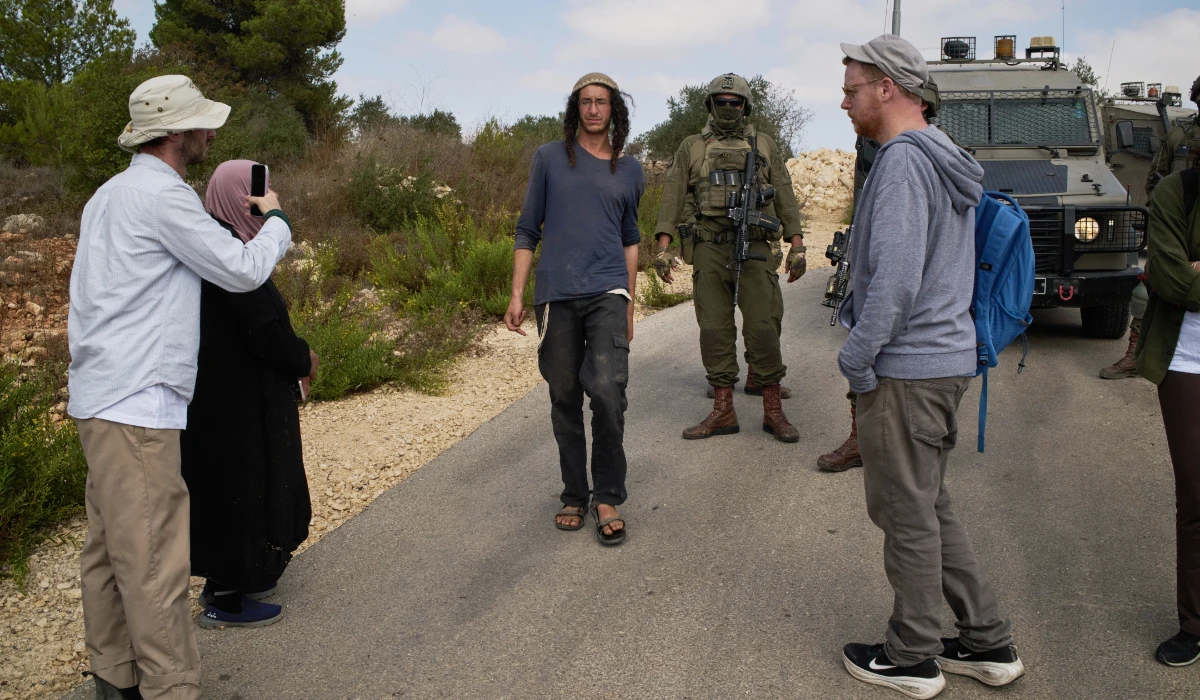
- One of the suspects arrested while allegedly attempting to plant an explosive device on a railway track
HOMS: Authorities in Syria said they foiled planned attacks by Daesh on places of worship and security patrols in Homs province, arrested two suspected members of the terrorist group, and seized explosive devices they planned to use.
The Internal Security Forces said in a statement that investigators had identified suspects believed to have been tasked with receiving and transporting explosives for Daesh, and monitoring religious sites and security patrols to identify potential targets. They added that one of the suspects was arrested while attempting to plant an explosive device on a railway track, the Syrian Arab News Agency reported.
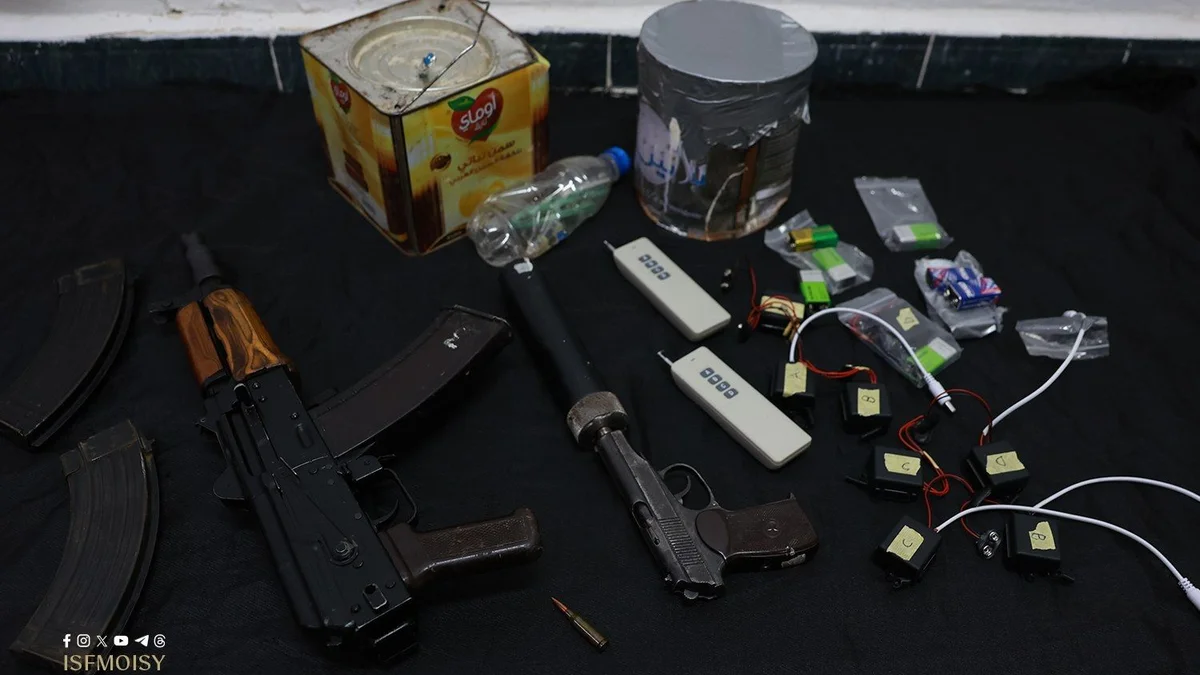
The intelligence and security forces dismantled a Daesh-linked cell “preparing attacks aimed at fueling sectarian tensions and destabilizing the region” during an operation in the Houla area of Homs countryside, according to the statement, and two explosive devices that were being prepared for use in attacks were seized during the operation.
Security officials said investigations were continuing in an effort to identify other members of the cell, establish their connections and determine the full extent of their activities.
The operation came three days after Syrian intelligence and security forces arrested Khaled Raed Birouni, also known as Abu Hassan Dushka, during a raid in Hajira, in the Damascus countryside.
Identified as Daesh’s military commander in Homs, he stands accused of planning and overseeing the bombing in December 2025 of the Imam Ali ibn Abi Talib Mosque in the Alawite-dominated Wadi Al-Dhahab neighborhood of Homs, which killed eight people and wounded more than 18.
Syrian authorities have announced a number of arrests of suspected Daesh members as they seek to dismantle the militant group’s remaining networks and prevent further attacks.
Daesh lost its final territorial stronghold in Syria in 2019 but, despite the collapse of the group’s self-declared caliphate, remnants continue to operate through clandestine cells, carrying out attacks and exploiting security vulnerabilities.