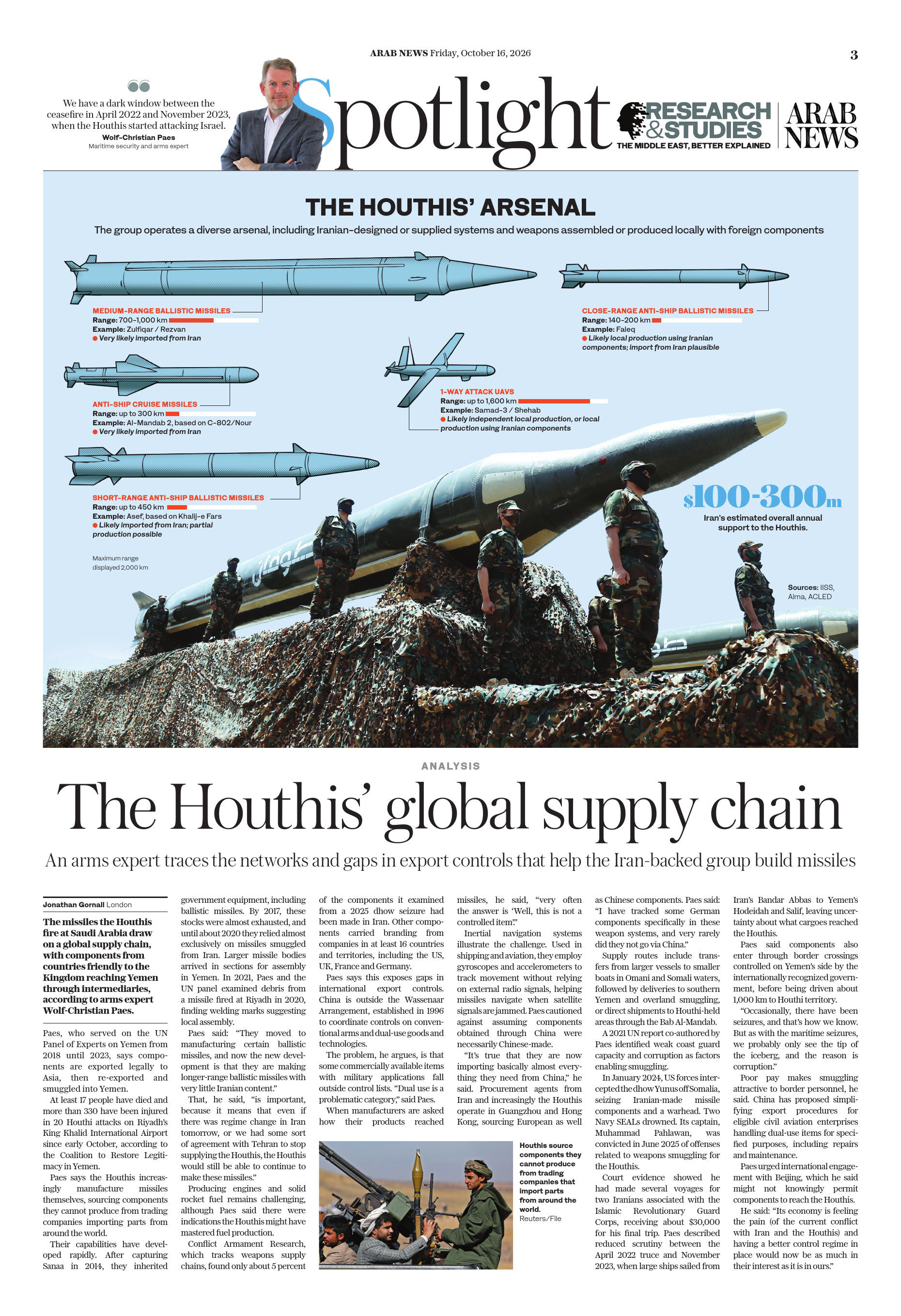

- Former member of UN Panel of Experts on Yemen traces the procurement networks that help the militia access components sourced from companies around the world
- Wolf-Christian Paes cautions that blocking supplies from Iran alone might not end the threat as the Houthis continue to expand their own production
LONDON: Missiles used by the Houthis to attack Saudi Arabia draw on a global supply chain, with components originating in countries friendly to the Kingdom reaching Yemen through intermediaries, according to one of the world’s leading experts on the proliferation of arms.
Wolf-Christian Paes, who served on the UN Panel of Experts on Yemen from 2018 until 2023, said the components were exported legally to China, then reexported and smuggled into Yemen.
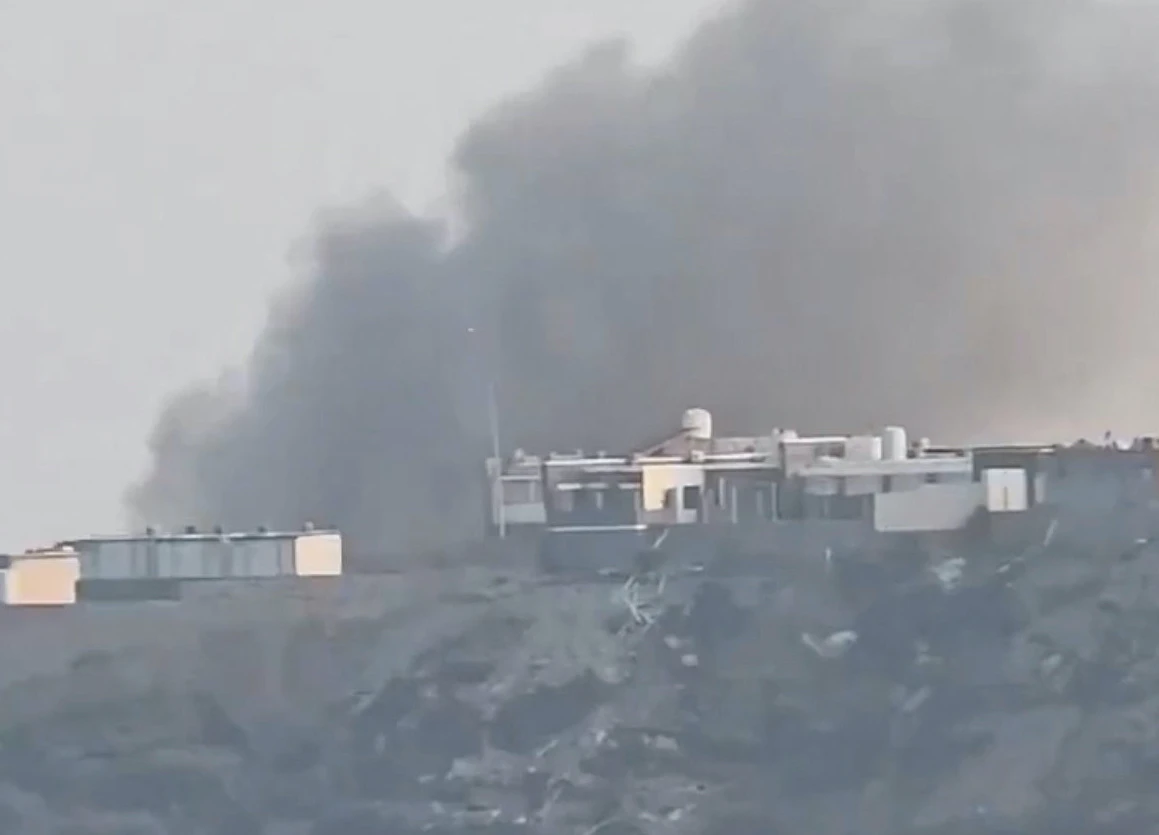
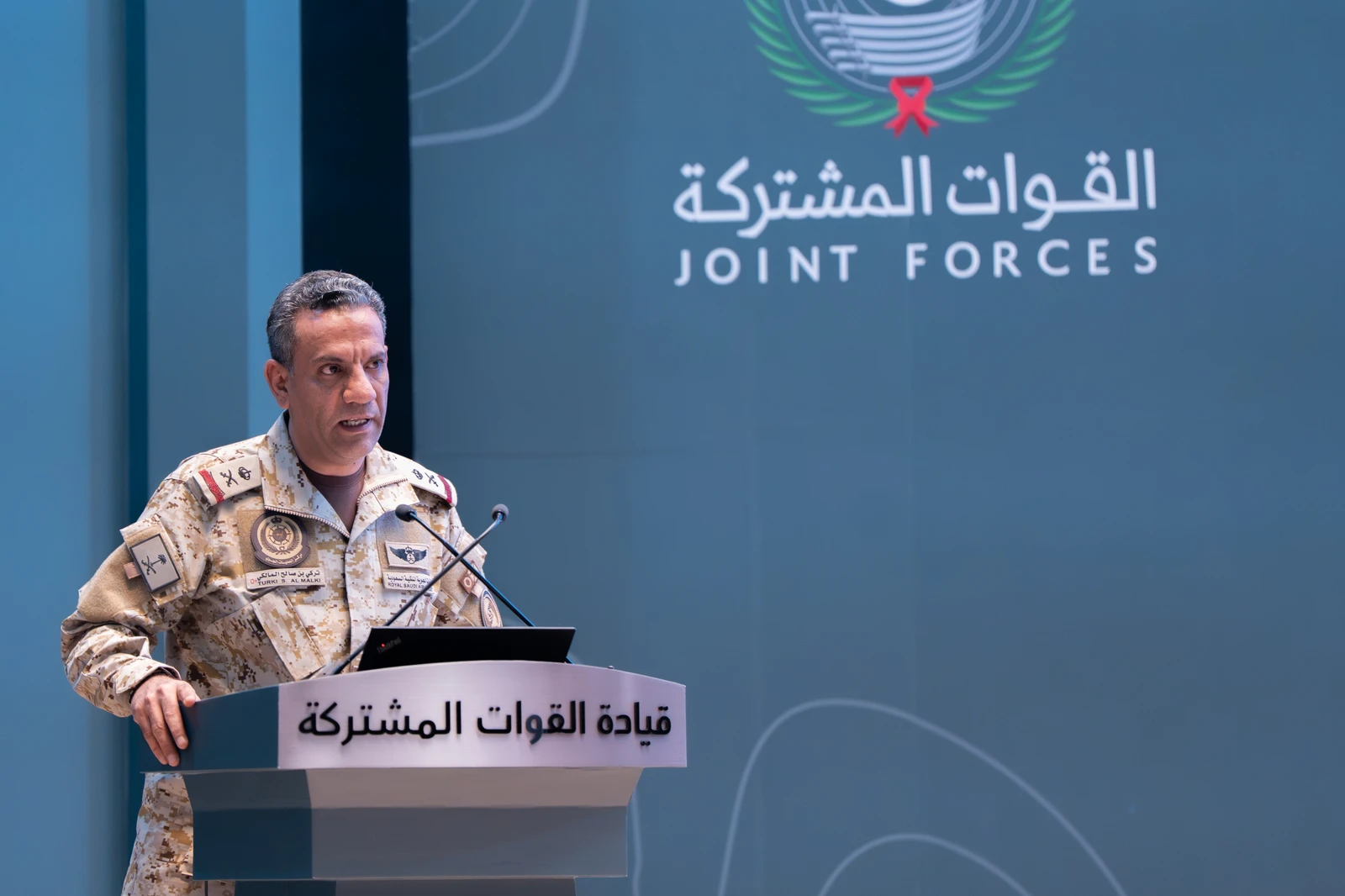
At least 17 people have died and more than 330 have been injured in 20 attacks by the Houthis on King Khalid International Airport in Riyadh since the beginning of October, the Coalition to Restore Legitimacy in Yemen reported on Thursday.
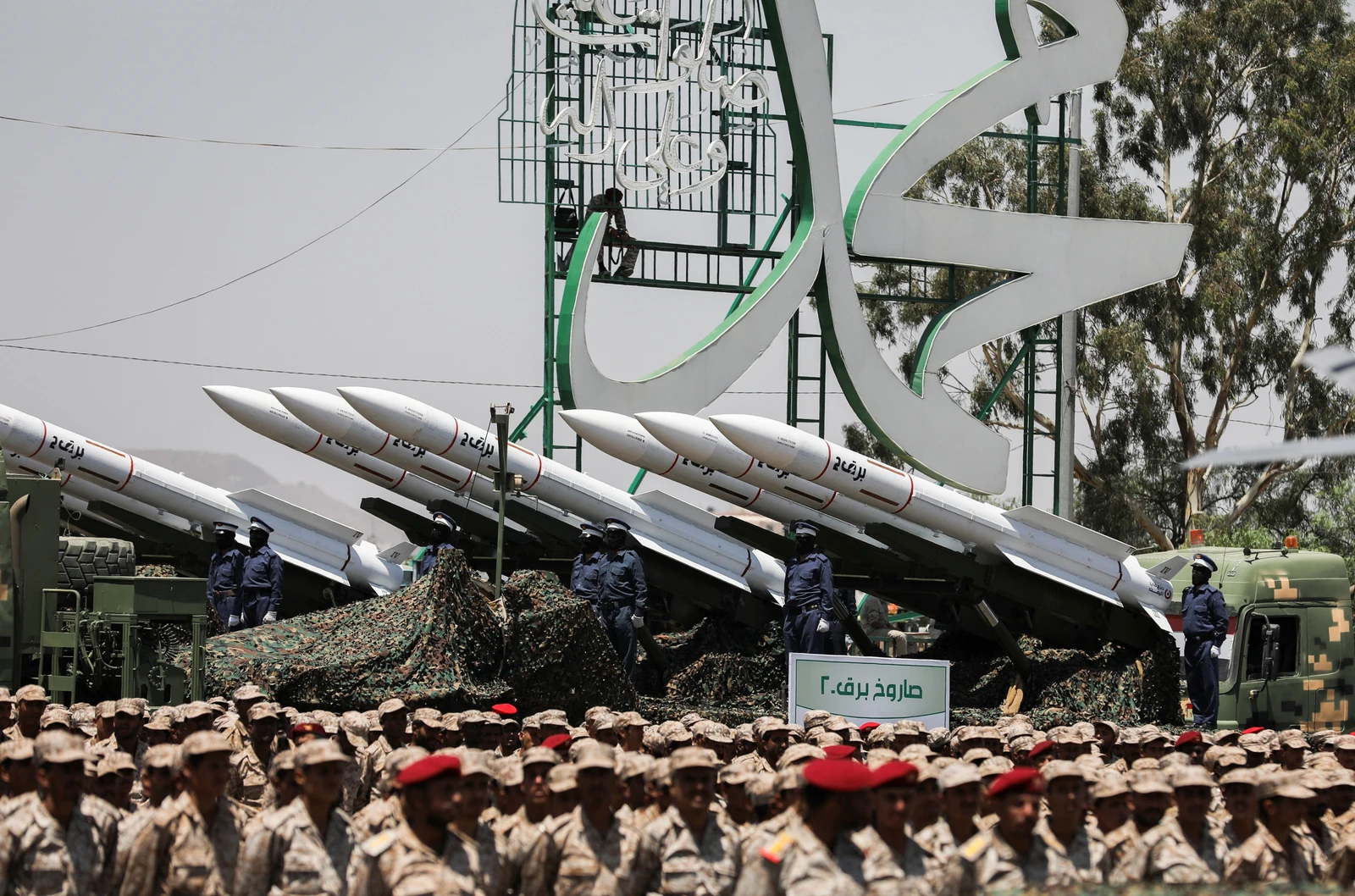
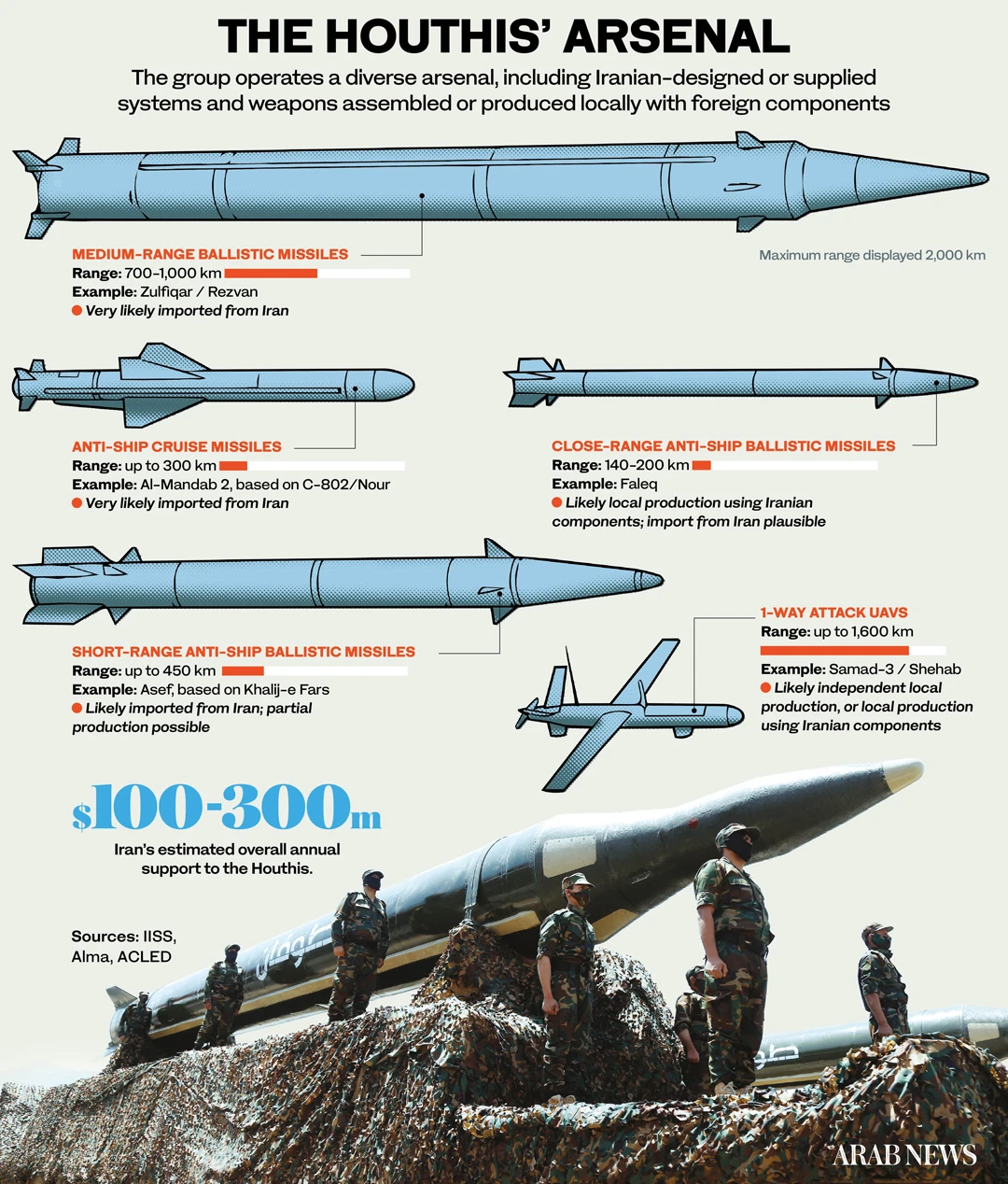
Paes said the Houthis have become less dependent on Iran for supplies of drones and missiles. Instead, they have developed the ability to build their own missiles, sourcing most of the components they cannot make themselves from trading companies that import parts from around the world.
Gaps in international export controls allow essential components for missiles to fall into the hands of the Houthis, he added, as the Houthis’ technical know-how has developed rapidly in the past decade.
“Following the outbreak of the civil war (in Yemen) in 2014 and the capture of the capital, Sanaa, the Houthis inherited a lot of equipment from the government, including ballistic missiles,” Paes told Arab News.
By 2017 these stocks were all but depleted, “and from then until about 2020 they used, almost exclusively, missiles that were smuggled from Iran to Yemen.” The larger missile bodies, difficult to smuggle unnoticed, were shipped in sections and welded together in Yemen.

In 2021, Paes and the rest of the UN panel inspected the debris of a ballistic missile used in an attack on Riyadh in 2020. It was identified as a Burkan-2H, a weapon with a range of about 1,000 kilometers and a warhead payload of 250 kg. The panel found “artisanal welding” marks that suggested sections of the missile body had been assembled and welded in Yemen.
“The Houthis went through stages,” said Paes. “They moved to manufacturing certain ballistic missiles, and now the new development is that they are making longer-range ballistic missiles with very little Iranian content.”
This, he said, “is important, because it means that even if there was regime change in Iran tomorrow, or we had some sort of agreement with Tehran to stop supplying the Houthis, the Houthis would still be able to continue to make these missiles.”
The ability to do this “is now well within their capabilities,” he added. “I don’t think they can make the engines, necessarily, on their own and there are other challenges, such as the production of the solid rocket fuel. That is tricky but there are even indications that they may have even mastered that.”
A less widely understood feature of the Houthi arsenal is its reliance on components manufactured by companies around the world. In a report published this year, Conflict Armament Research, an organization that tracks the supply chains of weapons, analyzed missile and drone components seized on a dhow bound for Yemen from Iran, and found that only about 5 percent of the components it documented from that seizure were made in Iran.
Hundreds of the components found on the dhow “Al-Sherwa” on June 25, 2025, were linked to “at least a dozen weapon systems, including … ballistic missiles,” and bore the marks of companies with headquarters in at least 16 countries or territories.
This reality, Paes said, is an indictment of an international export-control regime established in 1996. Not every country participates in the Wassenaar Arrangement on Export Controls for Conventional Arms and Dual-Use Goods and Technologies; China, for example, is not one of the 42 participating states.
However, “Wassenaar comes up with definitions of what constitutes military technology and what does not, and pretty much all countries in the world basically copy and paste that control list,” Paes said. The problem is that the list excludes many potentially dual-use items that have peaceful applications, some of which are nevertheless also vital components in missiles.
“Dual use is a problematic category,” said Paes. He has tracked component parts of missiles back to their manufacturers. When the makers were asked how their products found their way into missiles, “very often the answer is ‘Well, this is not a controlled item.’”
A classic example of a dual-use product that is a vital component in the drones and missiles being used by the Houthis is a guidance device that was developed in the 1950s and is now produced by many specialist companies around the world.
Unlike GPS, self-contained inertial navigation systems do not rely on external radio signals. Instead, they use gyroscopes and accelerometers to track the movement of a missile and provide data to its guidance system. These systems are also used in shipping and commercial aviation. Some commercially available inertial components fall outside specific control thresholds, although other systems are subject to export restrictions.
One French company that makes inertial systems for military applications, “from missile guidance and unmanned aerial systems to naval stabilization and ground-based vehicle navigation,” states on its website, in a discussion of products that fall outside of US International Traffic in Arms Regulations, that “inertial systems are not subject to US export restrictions, allowing companies to sell and use the systems in international markets without the need for complex export licenses or compliance procedures.”
Such systems help missiles navigate toward fixed targets, such as airports or oil installations.
Recent headlines have suggested that the Houthis are reliant on Chinese components for their missiles but this is not entirely accurate, said Paes.
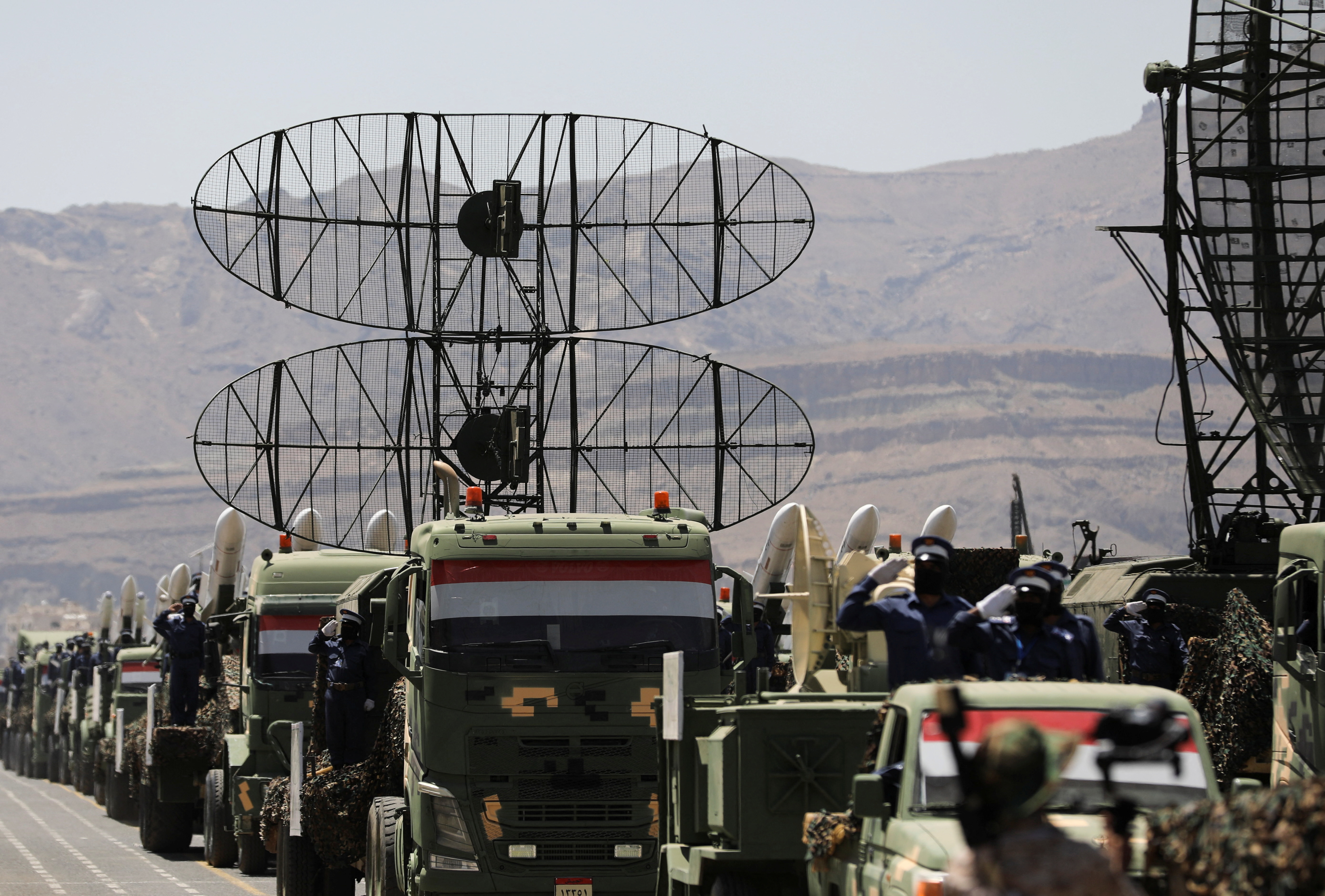
“It’s true that they are now importing basically almost everything they need from China,” he said. “There is a procurement cluster in the Pearl River Delta. Purchasing agents, initially from Iran but also increasingly from the Houthis, are based there, at Guangzhou and Hong Kong, which are global trade and manufacturing hubs.
“But although some of the components are Chinese-made, a lot are European components imported to China and then reexported.
“I have tracked some German components, specifically, in these weapon systems and very rarely did they not go via China.”
The Houthis, whose domestic manufacturing capacity is growing, have inherited supply networks from Iran and have a number of ways of getting the parts they need into Yemen.
In 2021, as part of his work with the UN Panel of Experts on Yemen, Paes co-authored a report for the Security Council that identified several supply routes that used traditional dhow sailing vessels.
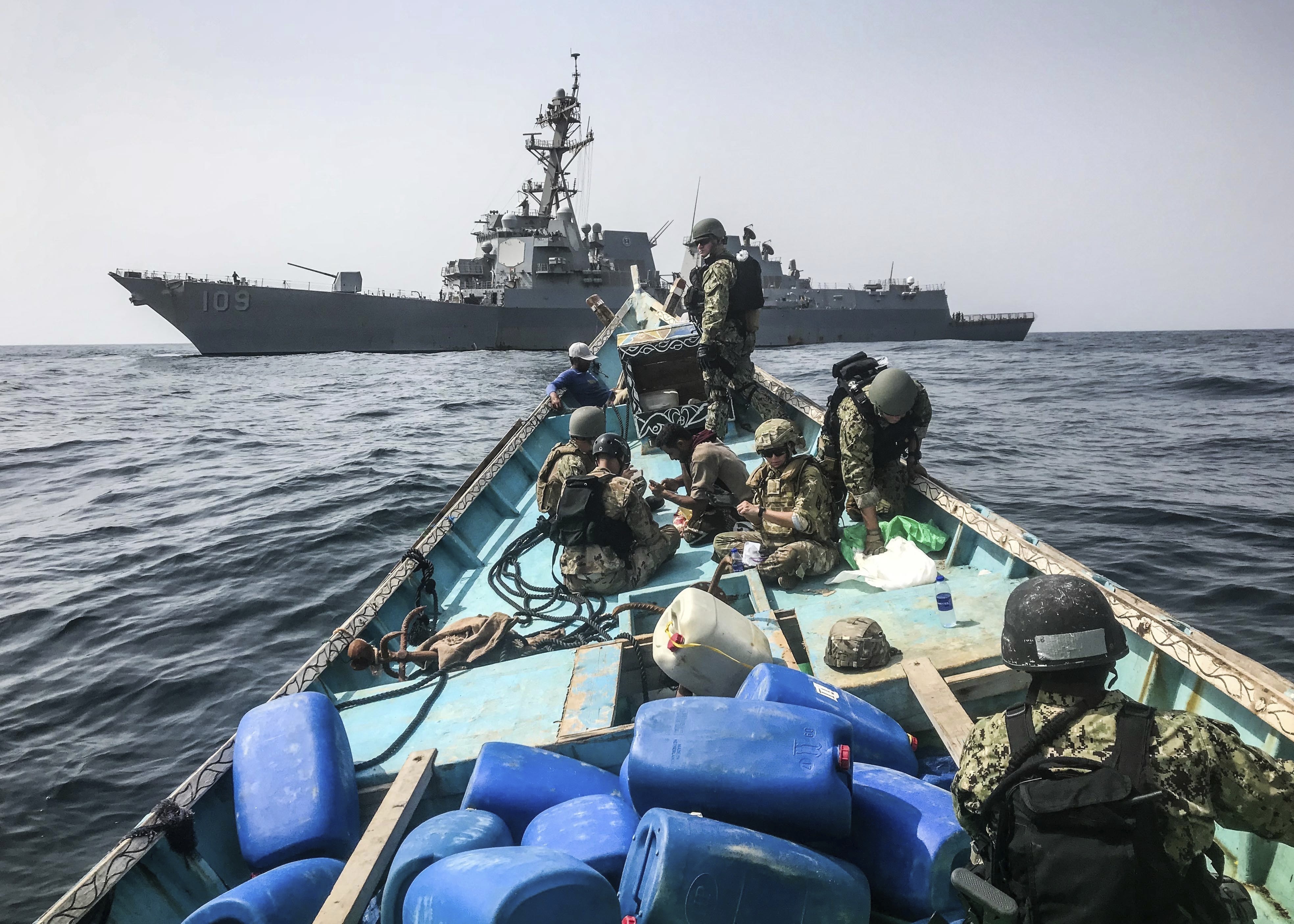
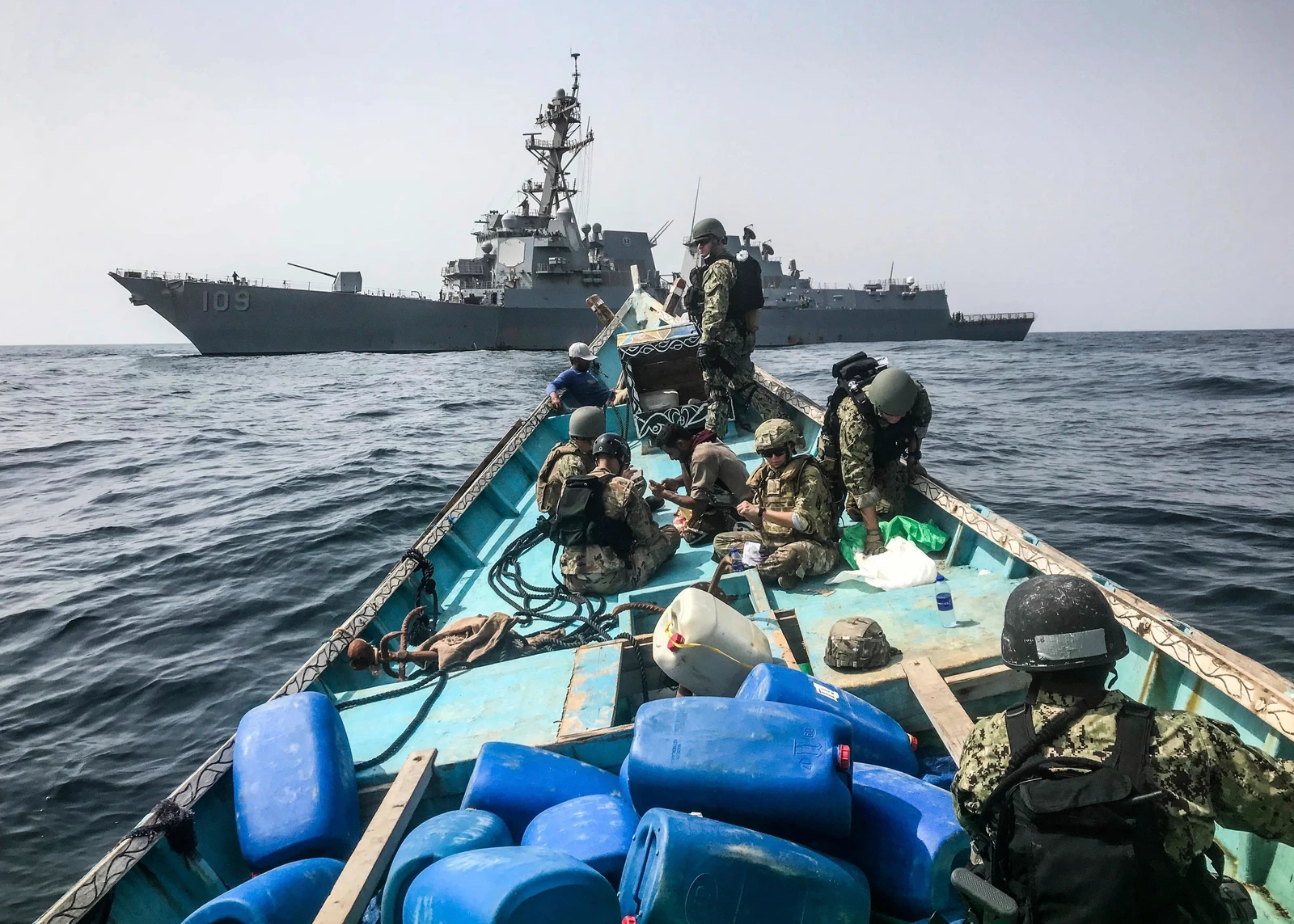
It stated that arms and other equipment shipped from Iran “are transshipped in Omani and Somali waters to smaller boats, with the cargo being delivered to ports on the south coast of Yemen and smuggled overland to the Houthis or, in some cases, through the Bab Al-Mandab directly to Houthi-held areas.”
The report added that “the lack of capacity … and prevailing corruption in (certain) areas … are contributing factors that allow smuggling to flourish, despite a number of high-profile seizures.”
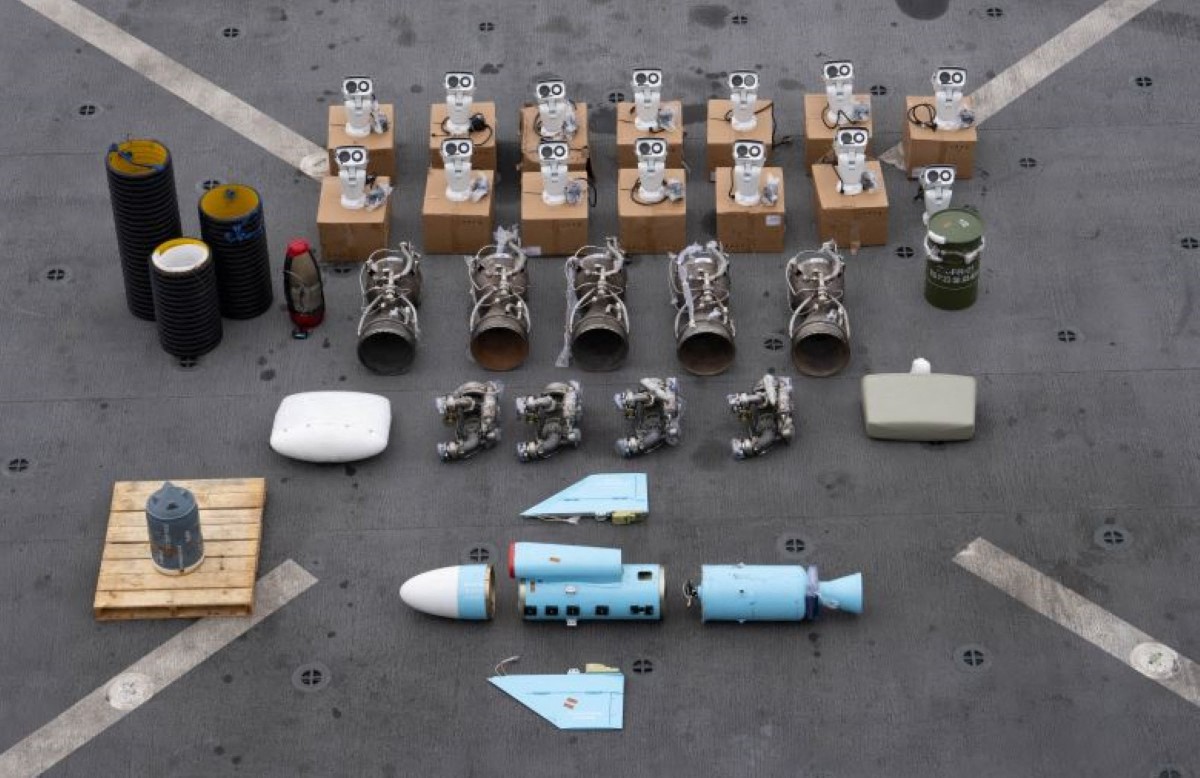
One such seizure took place on the night of Jan. 11, 2024, when US forces boarded the Yunus, an unflagged dhow in the Arabian Sea off the coast of Somalia. They seized Iranian-made weaponry, including ballistic missile components, antiship cruise missile components, and a warhead. Two US Navy SEALs drowned during the operation.
In June 2025, a US court convicted the skipper of the Yunus on charges related to the smuggling of weaponry destined for the Houthis. The court was told that Mohammed Pahlawan had made several similar voyages, having been paid by two Iranians associated with the Islamic Revolutionary Guard Corps. For his last voyage he was paid about $30,000.
Different smuggling routes have been used at different times.
“We have this dark window between the ceasefire with the Saudis in April 2022 and November 2023, when the Houthis started attacking Israel and then shipping in the Red Sea,” Paes said.
“For this period of about a year and a half, people weren’t really looking and we know that at that time large ships were sailing from Bandar Abbas (the Iranian port at the mouth of the Strait of Hormuz) to Hodeidah and Salif (in Yemen), carrying goodness knows what.”
Paes added that some materials had also undoubtedly been shipped to ports in a neighboring Gulf state and then smuggled into Yemen via one of the two border crossings, which he has visited, and which on the Yemeni side are controlled by the internationally recognized government.
From there, it is a 1,000-kilometer road journey through the desert to Houthi territory, “but nevertheless, a lot of dual-use technology has been passing through these border crossing points,” he said.
“Occasionally, there have been seizures, and that’s how we know. But as with the maritime seizures, we probably only see the tip of the iceberg, and the reason is corruption.”
The border crossings, he said, “are well designed. They have vehicle scanners and manual searches and the amount of traffic is so high that you couldn’t search every vehicle. If you do this properly, nothing (illegal) would come over.”
China’s Ministry of Commerce has proposed the simplification of export procedures in the civil aviation sector, “allowing eligible enterprises to obtain export certificates through registration rather than applying for individual export licenses.”
The goal, it said in a statement, was “to balance development with security while making it easier to export these items in compliance with regulations.”
Under the proposed measures, eligible aviation enterprises that export items, including inertial navigation systems, for purposes such as repair and maintenance would no longer need to apply for export licenses on a shipment-by-shipment basis.
Paes said China might not knowingly be allowing missile components to reach the Houthis, and urged the international community to engage with Beijing urgently on the issue.
“Previously, this wasn’t a problem for the (Chinese) government but this has changed,” he said. “Its economy is feeling the pain (of the current conflict with Iran and the Houthis) and having a better control regime in place would now be as much in their interest as it is in ours.”