The dismantling of the alleged “sabotage cell” in the Libyan capital, Tripoli, has sparked accusations between the parties to Libya’s conflict, with each side pointing fingers over who is supporting the group.
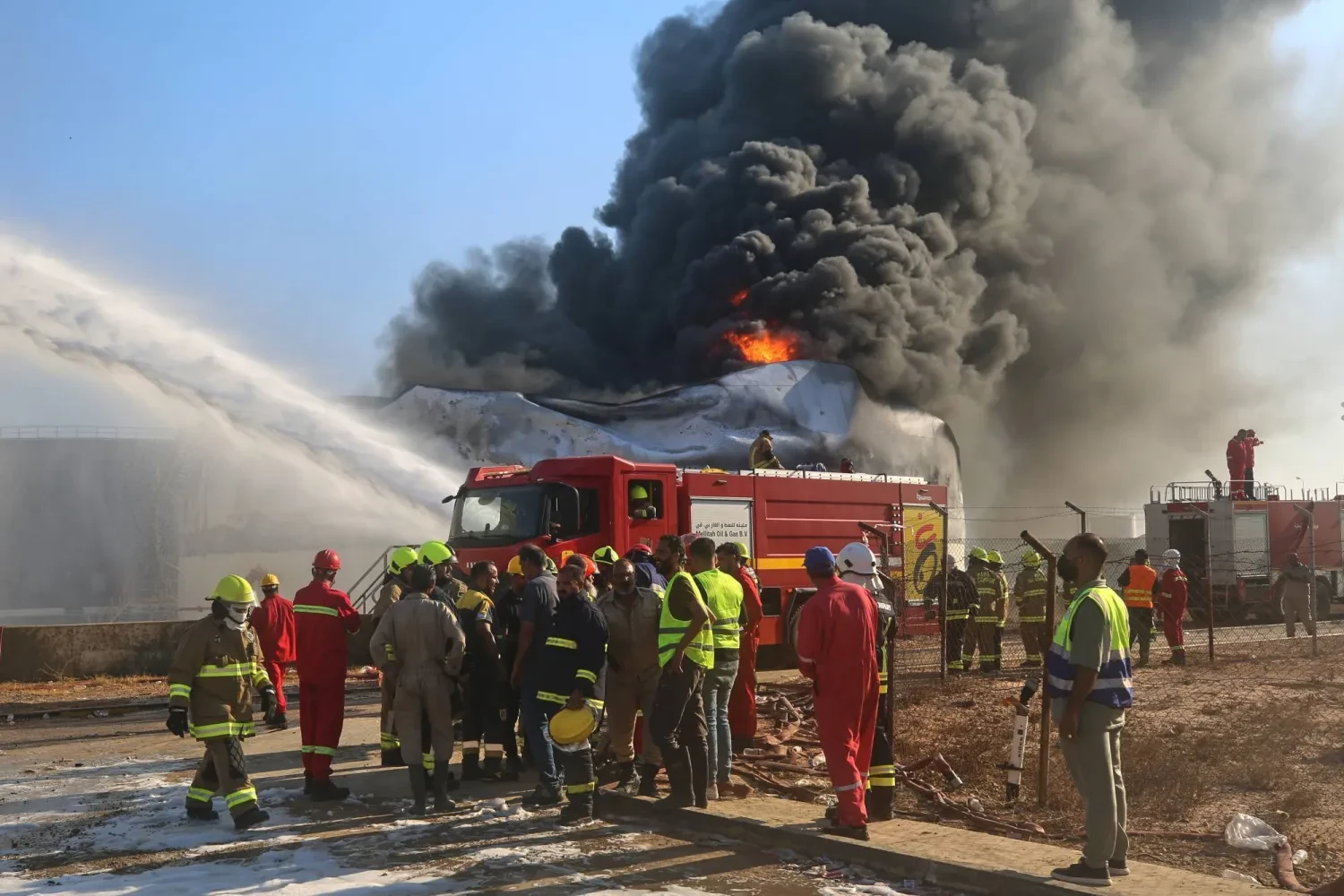
On September 6, the Government of National Unity (GNU) announced the arrest of a cell accused of carrying out drone attacks on oil storage facilities and a power station in Tripoli and Zawiya. Since then, however, no further details have been released regarding the results of the investigation with five Libyans and several foreigners.
Some allege that Saddam Haftar, deputy commander-in-chief of the Libyan National Army (LNA), was behind the cell, claims that political analyst Omar Bousaada dismissed as “absurd accusations that no longer deceive anyone.”
The GNU’s Ministry of Defense had stated that it had also thwarted additional plots, including plans to target the South Tripoli power station as well as vital infrastructure and political, security, and military figures.
With the Public Prosecutor’s Office maintaining secrecy over the investigation into the detained cell members, some public figures have adopted narratives circulated by foreign media outlets, leading to intense political exchanges.
Libyan activist Ahmed Al-Zarrouq claimed that the Tariq Ben Zeyad Brigade, affiliated with the LNA, was responsible for the “sabotage cell” that targeted key facilities in Tripoli with the aim of creating crises in the capital.
Al-Zarrouq, a cousin of Saif al-Islam Gaddafi, asserted that Saddam Haftar was behind the cell, which allegedly consisted of one Spaniard and four Libyans. He published their names and the roles they were assigned.
The Allibiya TV Channel, owned by the Al Ghad Media Group and considered close to Saif al-Islam Gaddafi, echoed Al-Zarrouq’s narrative. The channel also cited unnamed sources claiming that Tripoli authorities had released the Spanish suspect accused of involvement in the cell under pressure from Saddam Haftar.
A security source close to the LNA denied the allegations, telling Asharq Al-Awsat that Libya’s political, military, and security climate is moving toward greater stability and that ending the country’s division through elections is within reach.
The source, who requested anonymity because he is not authorized to speak to the media, argued that some factions in Libya benefit from division and fragmentation rather than stability. He questioned how such allegations could emerge at a time when military and security leaders in both Benghazi and Tripoli are publicly emphasizing the need to end the country’s split.
On September 19, Presidential Council Chairman Mohamed Al-Menfi revealed that Libya had formally approached the International Criminal Court (ICC) for technical, technological, and legal support to strengthen investigations into the cell.
Bousaada told Asharq Al-Awsat that “fabricated statements and frivolous accusations have become a trademark of failure” propagated by what he described as “factories of illusion,” which, he said, resort to manipulating narratives and manufacturing scenarios whenever they feel politically marginalized or operationally weakened.
He argued that linking Saddam Haftar to the cell “is not merely false, but a desperate attempt to obscure the reality that his camp is currently operating from a position of strength and possesses genuine negotiating leverage that has secured its presence in major regional and international decision-making capitals.”
In his statement, Al-Menfi said Libya had submitted its request to the ICC Prosecutor’s Office through official diplomatic channels, via the Ministry of Foreign Affairs and in coordination with the Ministry of Defense, to enhance cooperation in the ongoing investigation.
Meanwhile, the GNU Ministry of Defense insisted that the case remains under the jurisdiction of the Public Prosecutor’s Office and denied any attempt to negotiate with any party regarding the matter. The ministry reaffirmed that investigations are continuing to identify all individuals involved in the sabotage cell and any entities connected to it.