French multinational pharmaceutical company Sanofi has been operating in Saudi Arabia for more than 50 years. Its wide range of medications includes: Oral anti-diabetics, insulin, cardiovascular diseases, thrombosis, oncology, transplantation, rare diseases, vaccines and consumer health care. The global health care giant is now planning to introduce innovative new medication in Saudi Arabia to help treat diseases including hypercholesterolemia, diabetes, atopic dermatitis, and rheumatoid arthritis, as well as the most recent innovations in vaccines.
Non-communicable diseases (NCDs) are on the rise in Saudi Arabia and the wider GCC, and are a huge health care challenge globally. The World Health Organization (WHO) estimates that NCDs cause three out of every four deaths in addition to imposing a heavy economic burden. For example, the cost of NCDs in the GCC is expected to reach $68 billion by 2022.
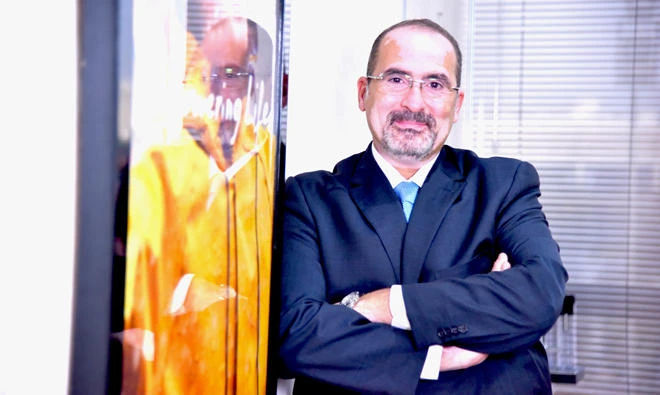
“Sanofi has always been committed to improving access to health care. Our teams strive to transform scientific innovations into therapeutic solutions that make a difference to patients’ daily lives,” said Ahmed Serag, Sanofi’s KSA country chair and general manager. “As we seek to reach the global non-communicable diseases target, we are committed to using our expertise in the Kingdom to improve prevention, treatment and care for chronic conditions for better patient health outcomes. We have been working hard to combat non-communicable diseases — from working with health care professionals, to patient education and disease awareness. We aim to protect, enable and support people facing health challenges, so they are empowered to live a better life. We also believe it is critical to build robust health care systems that ensure equitable access for all.”
Sanofi Saudi has introduced a number of initiatives and programs aimed at promoting Saudization in sectors including medical technology and pharmaceuticals, Serag explained.
“Sanofi’s manufacturing plant, for example, is creating opportunities for employment, training and research. We note with pride that 70 percent of the plant’s employees are Saudis, and 65 percent of them are female, showcasing Sanofi’s commitment to developing and empowering Saudi talent,” he said.
The company’s vision, Serag said, is in line with Saudi Vision 2030.
“We are pioneers among multinational pharmaceutical companies in investing in the Kingdom with 100 percent FDI, significantly contributing to the diversification of the Saudi economy,” he explained. “We remain committed as a health journey partner, ensuring significant medical contributions to Saudi Arabia’s social and economic development. We aspire to be truly innovative and to introduce better treatment solutions. As many patients depend on us, we aim to protect, enable and support people facing health challenges, so they can live life to its full potential,” he added.
Sanofi has collaborated with the Saudi Ministry of Health (MoH) in several areas. In March 2015, it signed a strategic cooperation agreement with the ministry, training more than 1,500 physicians in diabetes management guidelines and scientific developments in the field. The program is successfully running across more than 20 cities in Saudi. The cooperation also extends into key areas of clinical research with a large epidemiological study on the impact of current treatment on type 2 diabetes management with 3,000 patients enrolled.
“Our collaboration with the MoH also stretches into the vaccines area, supporting key projects like the National Flu Vaccination Program, which started in 2014 and has been hugely successful, especially in the target patient populations (i.e. chronic-disease patients, health care professionals, children and the elderly). The vaccination rates in the Kingdom are now among the best in the region, if not globally,” Serag said. “More than 2 million people are being vaccinated yearly. We also support the MoH awareness and education initiatives during Hajj and Umrah seasons with a dedicated service to better serve the Kingdom’s guests.”
Sanofi’s manufacturing plant was inaugurated in 2014 in the King Abdullah Economic City (KAEC).
Serag described the plant as a “landmark” for Sanofi’s expansion in the Middle East in general, and in Saudi Arabia in particular.
“It supports the company’s global growth strategy and is aligned with its mission to focus on the needs of Saudi patients. Many advantages will come out of this project, such as safeguarding a stable future supply of medicines, creating new job opportunities for Saudis, motivating medical development in the Kingdom, and facilitating access to all Sanofi’s medication,” he concluded.
Non-communicable diseases (NCDs) are on the rise in Saudi Arabia and the wider GCC, and are a huge health care challenge globally. The World Health Organization (WHO) estimates that NCDs cause three out of every four deaths in addition to imposing a heavy economic burden. For example, the cost of NCDs in the GCC is expected to reach $68 billion by 2022.
“Sanofi has always been committed to improving access to health care. Our teams strive to transform scientific innovations into therapeutic solutions that make a difference to patients’ daily lives,” said Ahmed Serag, Sanofi’s KSA country chair and general manager. “As we seek to reach the global non-communicable diseases target, we are committed to using our expertise in the Kingdom to improve prevention, treatment and care for chronic conditions for better patient health outcomes. We have been working hard to combat non-communicable diseases — from working with health care professionals, to patient education and disease awareness. We aim to protect, enable and support people facing health challenges, so they are empowered to live a better life. We also believe it is critical to build robust health care systems that ensure equitable access for all.”
Sanofi Saudi has introduced a number of initiatives and programs aimed at promoting Saudization in sectors including medical technology and pharmaceuticals, Serag explained.
“Sanofi’s manufacturing plant, for example, is creating opportunities for employment, training and research. We note with pride that 70 percent of the plant’s employees are Saudis, and 65 percent of them are female, showcasing Sanofi’s commitment to developing and empowering Saudi talent,” he said.
The company’s vision, Serag said, is in line with Saudi Vision 2030.
“We are pioneers among multinational pharmaceutical companies in investing in the Kingdom with 100 percent FDI, significantly contributing to the diversification of the Saudi economy,” he explained. “We remain committed as a health journey partner, ensuring significant medical contributions to Saudi Arabia’s social and economic development. We aspire to be truly innovative and to introduce better treatment solutions. As many patients depend on us, we aim to protect, enable and support people facing health challenges, so they can live life to its full potential,” he added.
Sanofi has collaborated with the Saudi Ministry of Health (MoH) in several areas. In March 2015, it signed a strategic cooperation agreement with the ministry, training more than 1,500 physicians in diabetes management guidelines and scientific developments in the field. The program is successfully running across more than 20 cities in Saudi. The cooperation also extends into key areas of clinical research with a large epidemiological study on the impact of current treatment on type 2 diabetes management with 3,000 patients enrolled.
“Our collaboration with the MoH also stretches into the vaccines area, supporting key projects like the National Flu Vaccination Program, which started in 2014 and has been hugely successful, especially in the target patient populations (i.e. chronic-disease patients, health care professionals, children and the elderly). The vaccination rates in the Kingdom are now among the best in the region, if not globally,” Serag said. “More than 2 million people are being vaccinated yearly. We also support the MoH awareness and education initiatives during Hajj and Umrah seasons with a dedicated service to better serve the Kingdom’s guests.”
Sanofi’s manufacturing plant was inaugurated in 2014 in the King Abdullah Economic City (KAEC).
Serag described the plant as a “landmark” for Sanofi’s expansion in the Middle East in general, and in Saudi Arabia in particular.
“It supports the company’s global growth strategy and is aligned with its mission to focus on the needs of Saudi patients. Many advantages will come out of this project, such as safeguarding a stable future supply of medicines, creating new job opportunities for Saudis, motivating medical development in the Kingdom, and facilitating access to all Sanofi’s medication,” he concluded.