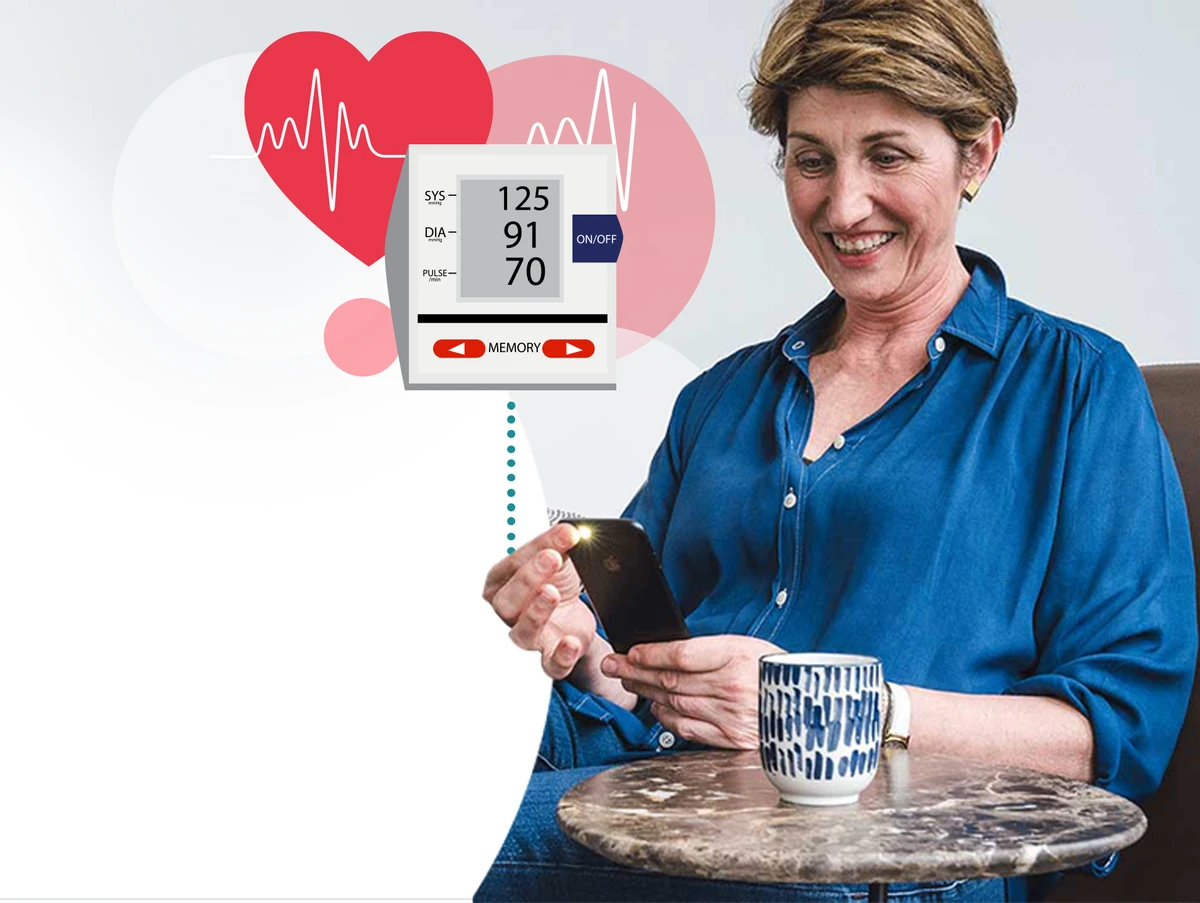
- Atrial fibrillation, also known as AFib or AF, can affect adults of any age
Nov. 16 to 22 is Global Atrial Fibrillation Aware Week (GAFAW), an annual awareness week that brings attention to the most common arrhythmia (heart rhythm disorder).
Atrial fibrillation, also known as AFib or AF, can affect adults of any age. The currently estimated global prevalence of AFib in adults is between 2 percent and 4 percent, according to the World Stroke Organization. AFib can induce the formation of blood clots and is therefore associated with a high number of complications. Among these, an embolic stroke, a type of stroke that occurs when a blood clot formed elsewhere in the body breaks loose and travels to the brain via the bloodstream, is undoubtedly the main one.
According to the World Stroke Organization, the risk of stroke increases by almost five-fold in patients suffering from AFib. More than 25 percent of people who experience an AFib-related stroke may not learn of their diagnosis and condition until after suffering the stroke.
During Global AFib Aware Week, we look at some of the efforts to raise awareness around this condition and improve the gaps in AFib detection across Africa and the Middle East (AfME):
• Greater awareness – Raising public awareness of AFib across the region and its link to stroke and convening the advocacy community is critical for tackling this health issue. Pfizer continues to work with leading organizations such as Bristol-Myers Squibb (BMS) among several others to identify the necessary gaps in detection and diagnosis. Pfizer’s awareness programs such as “Matter of Moments” help spread greater awareness for high-risk patients worldwide.
• Technology and health care – The role of technology in facilitating support and care for patients has been evident during the global COVID-19 pandemic. When patients fear going to the doctors for a routine check-up due to the spread of the novel coronavirus, technology solutions such as apps that focus on telehealth prove extremely useful. Many of today’s wearable devices can detect sleep patterns, track different physical activity types, and even monitor your heart rhythm. The next frontier in health-focused consumer technology is providing guidance, along with alerts and data, to interpret information from wearables to help improve the dialogue between patients and doctors during routine clinical care. This is especially meaningful with AFib because its characteristics can make it challenging to detect. As consumer technology and health care continue to converge, potential early AFib detection opportunities are on the rise.
In conclusion, early detection of AFib is crucial to ensure timely management that helps control symptoms and avoid complications for patients later. The appropriate management of AFib, made possible by timely detection and diagnosis, hinges on using all available tools, including evolving technology, research with the potential to change clinical practice, and awareness-raising initiatives to help facilitate productive conversations between patients and their doctors during routine check-ups.