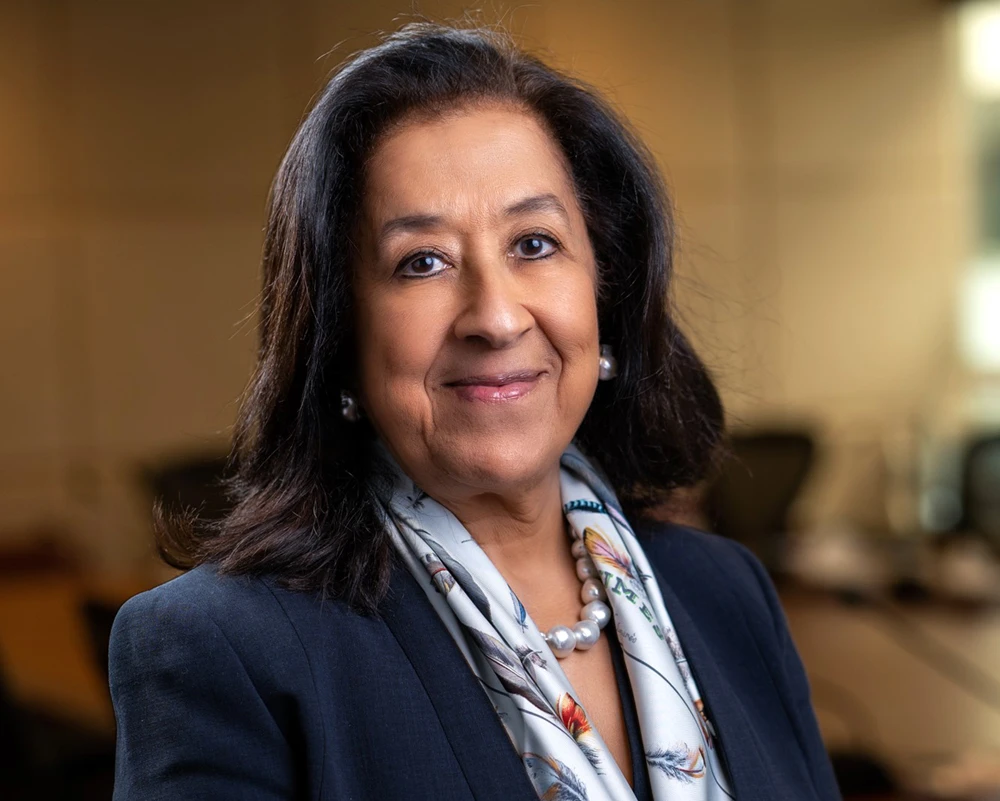
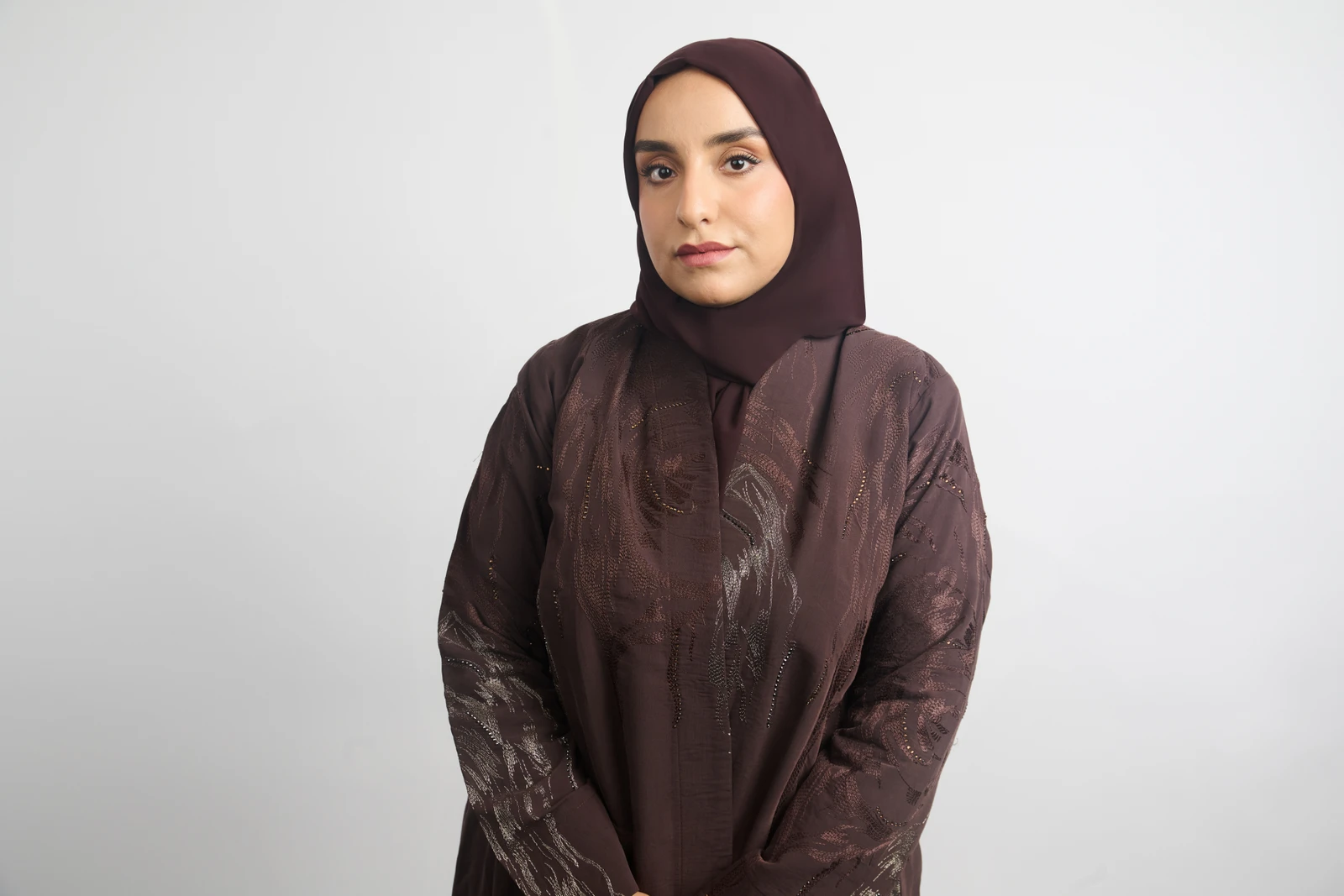
Under its recently launched Irtiqa initiative, NAMA Women Advancement organized a high-profile panel at Women’s Pavilion in Expo 2020 Dubai recently addressing the important question of why gender responsive budgeting is crucial to ensure women’s equal access to economic and financial resources.
Titled “Is Gender Budgeting the Solution to Inclusion,” the discussion aimed to introduce leaders and decision-makers in both public and private sectors in the UAE and the wider region to gender responsive budgeting, focusing on the importance of viewing organizational budgets through a gender lens in order to achieve the collective objectives of growth, employment and social cohesion. The discussion also spotlighted the experiences of nations which have been successfully implementing gender responsive budgeting over the years.
Eminent members on the panel included Carolina Renteria Rodrigez, International Monetary Fund, division chief, PFM Europe; Maja Bosnic, international gender responsive budgeting expert, NIRAS International Consulting; Hajar Ben Ameur, head of budget performance and gender responsive budgeting, Morocco Ministry of Economy and Finance; Romawaty Sinaga, public sector specialist, World Bank Indonesia; and Dr. Rosanna Duncan, chief diversity officer, Palladium. The discussion’s moderator was Ermira Lubani, gender responsive budgeting’s program specialist, UN Women Europe Central Asia.
In her welcome address, Reem bin Karam, director of NAMA, said that the UAE had institutionalized gender budgeting in 2015 by establishing the Gender Balance Council. “The council’s objectives to reduce the gender gap across all government sectors has led to the UAE becoming the benchmark for gender balance legislation in the region. The nation’s experience in gender-informed resource allocation has demonstrated that with this powerful tool the benefits of development can reach women equally as their male counterparts.
“Her Highness Sheikha Jawaher bint Mohammed Al-Qasimi, chairperson of NAMA Women Advancement Establishment, and wife of the ruler of Sharjah, believes that inclusive and equitable economic growth can only be possible with women’s full economic empowerment.”
“Today there are more than 100 countries worldwide which are implementing different gender responsive budgeting initiatives. This implies proper legal and policy framework in both gender equality and in budgetary processes. Gender responsive budgeting serves to connect the dots by linking government policy and budget together, which are often considered to be two separate islands. It therefore increases social accountability and transparency, and ensures that no one is left behind,” said Lubani.
Outlining the importance of gender responsive budgeting in times of crisis, Rodrigez, said: “The IMF sees women’s empowerment as critical to economic progress. With the right policies to ensure women’s participation in the economy, a country’s GDP would increase substantially. It is of utmost importance that government policies for economic recovery pay greater attention to women in order to ensure sustainable results. Recent IMF studies show that in countries with low female labor market participation, closing the gender gap could raise the GDP by an average of 35 percent.”
Bosnic said: “We have for long been hearing that gender responsive budgeting is good budgeting. However, I would say it is better budgeting. It should be the only way to budget. I will share an experience from Ukraine as an example. I was leading the gender responsive budgeting project launched in 2013 in collaboration with the Ukrainian Ministry of Finance and supported by the Swedish government for seven years.”
The question was where the funds are being deployed and who is really benefitting to close the gender and social gaps. Ukraine took it further to analyze the impact of budget allocations on women and men in different socio-economic groups. To date, Ukraine has analyzed over 300 budget programs in all the sectors. We discovered gender gaps in all of them. This was because gender equality had not been considered while designing those programs. We analyzed the cause and consequences of this. I am happy to say, that most of the programs have been improved though there is still a lot left to be done. However, the program has resulted to increased women participation in the economy and other spheres in Ukraine.”
Ben Ameur outlined the long history of gender responsive budgeting in Morocco beginning from the early 2000s when the country began to consider the reforms needed to promote women’s empowerment. Around the same period, Morocco introduced a project to modernize its budgetary systems to improve the performance of public service. The two came together to create a successful gender responsive budgeting model for Morocco. She said: “Over the years we have learnt how to obtain better results on the ground. When it comes to national education, a large percentage of girls drop out of school when they reach primary level, especially in rural areas, due to financial constraints. We created social support networks and mechanisms, including the provision of direct financial aid to families, to make it possible for girls to complete their education.
Speaking about Indonesia’s experience, Sinaga, said: “Indonesia has been mainstreaming gender in its national budget processes using several public financial management tools to understand the impact of budget policies on different groups of beneficiaries. In 2019, Indonesia undertook a gender responsive budgeting assessment in cooperation with the World Bank to track progress and further strengthen gender mainstreaming in budgetary processes.”
Duncan noted that the equity, diversity and inclusion functions are usually compartmentalized into a HR activity, when in fact, they should be championed and pursued as part of broader organizational goals. Leaders should be held to account and create a culture where embedding equity, diversity and inclusion is ‘everybody’s responsibility, she said.