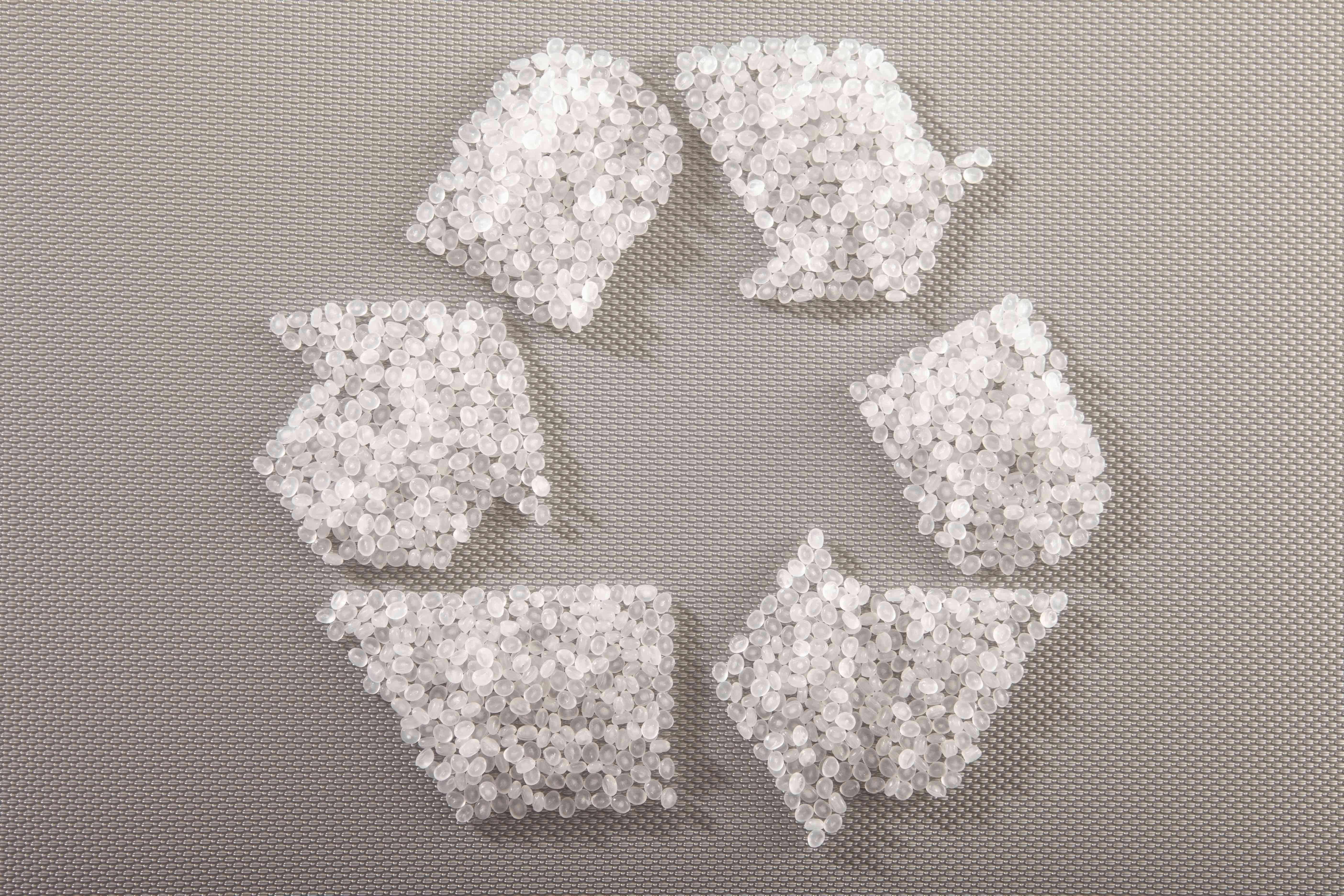
Plastic use remains one of the most prominent topics of public discussion on sustainability. As a result, demand for more sustainable materials is increasing and people’s general understanding around plastic’s reutilization potential is growing. As part of its ongoing efforts around sustainability, industry leader SABIC is seeking to bring sustainability to items used in homes across the globe through its TRUCIRLCE portfolio and services.
Consider something many people use every day — cosmetics. TRUCIRCLE products have paved the way for sustainable materials in the cosmetics market. Developed in collaboration with three French plastic converters, Texen, Leygatech and STTP Emballage, SABIC has created sustainable and refillable skin and eye care containers for Stella McCartney Beauty. When the containers reach the end of their usable lifespan, the polymers’ material worth can also be recovered through polyolefin recycling. The containers have been introduced in North America and the UK and are considered a breakthrough in sustainable cosmetics packaging.
In addition, SABIC has partnered with Finnish beauty brand Lumene to produce renewable polypropylene cosmetic containers. Lumene recently announced that it is replacing all 50 ml moisturizer jars in its core product ranges with certified renewable jars from SABIC.
But the TRUCIRCLE portfolio is hardly limited to cosmetics. In another demonstration of SABIC’s sustainability commitment in action, the company’s products have been used in the production of 7 million ice cream tubs for Unilever’s Magnum brand.
This initiative represented both a world first as a recycled container with food application approval, and a significant sustainability shift for the industry toward a circular economy. SABIC has further partnered with companies including Mars and Landbell to ensure that snack wrappers are sourced responsibly using recycled materials.
The impact of SABIC’s use of recycled materials speaks for itself. Based on the results of a cradle-to-gate study on SABIC’s certified renewable polymers, these products cut CO2 emissions by an average of 4 kg compared to fossil-based alternatives, while reducing the depletion of fossil resources by up to 80 percent. The result is products that have a much lower carbon footprint compared to fossil-based alternatives, without compromising on quality.
SABIC is the first petrochemical company in the world to scale up high-quality processes for the chemical recycling of used mixed plastic back to the original polymer for commercial application in products like the aforementioned examples. Bringing together collaborators from across the value chain, this initiative converts used mixed plastic into a feedstock to manufacture circular polymers.
Here’s how it works: SABIC’s certified circular polymers are produced through the feedstock recycling of low quality, used mixed plastic that could otherwise be destined for incineration or landfill. It takes difficult-to-recycle used plastic back to the molecular level through a process called pyrolysis. This process breaks down used plastic by heating it at a very high temperature in an oxygen-free environment, producing pyrolysis oil. The pyrolysis oil is then refined and upgraded for use as feedstock. This ultimately produces polymers that have identical properties to virgin-based polymers, allowing plastics to be recycled repeatedly with no loss of properties or characteristics.
The ultimate circular vision for the future is one in which plastic never ends up in the environment, landfills or in our oceans and instead is reused and remade into new products. Undoubtedly, this vision requires a total transformation of the value chain.
SABIC will continue to reinvent and pioneer the path toward a circular economy for the good of people and the planet. The TRUCIRCLE portfolio, from reusable cosmetics containers to sustainable food packaging, will play a significant role in giving people more confidence about the products they are purchasing and closing the loop on used plastic.